

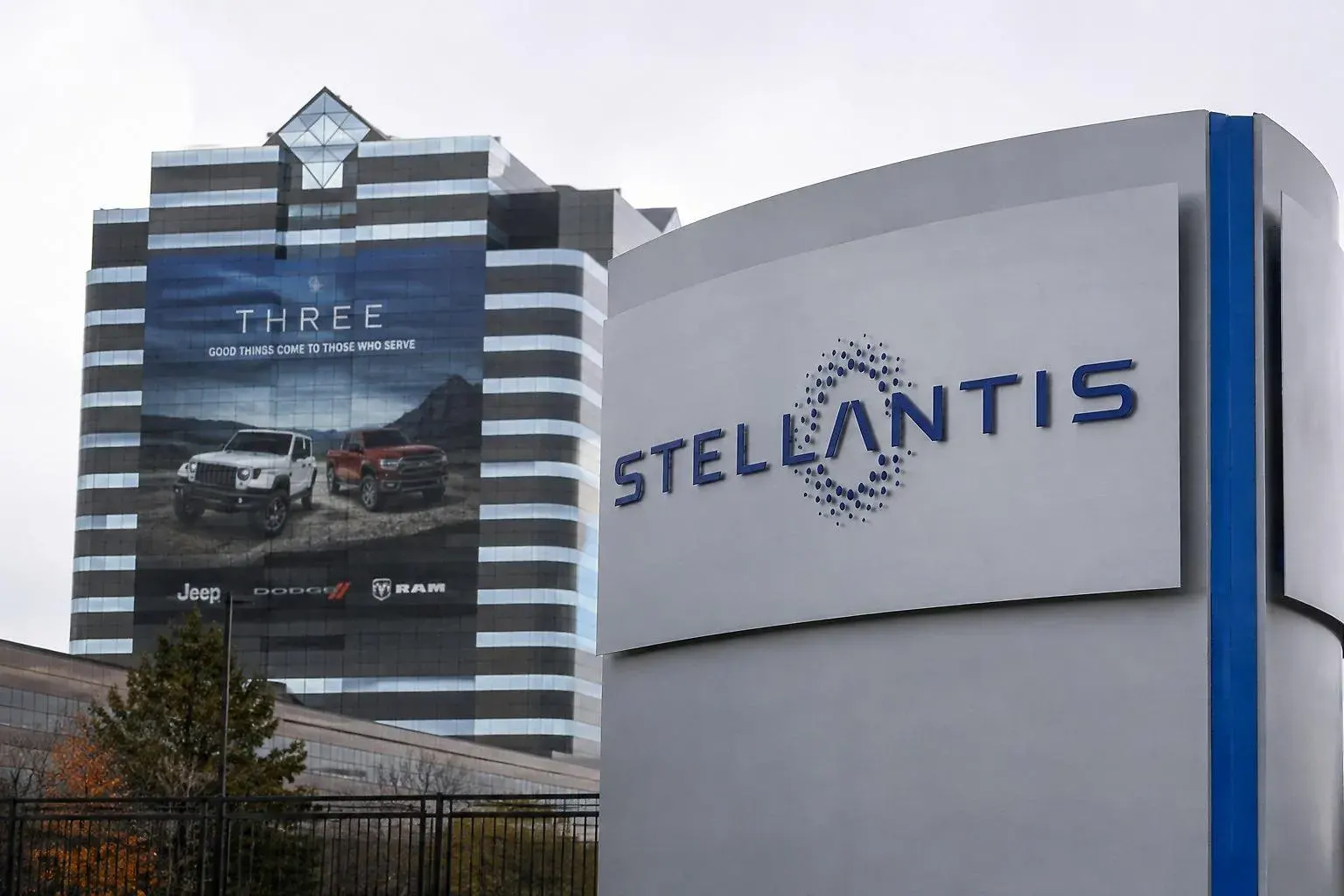
At Stellantis’ Sterling plant in Michigan, a system alerts operators when sheet metal shifts abnormally during the stamping process, allowing them to intervene before the part suffers damage. According to the automaker, the solution developed by ThinkDigits generated savings worth nearly four times the initial investment within a year, and Stellantis now plans to expand it to additional production lines. It is one of several initiatives aimed at reducing factory waste and shortening the path from vehicle development to production.
Stellantis uses AI and digital factories to speed up car development
At the Zaragoza plant, Stellantis has introduced a Zeiss measuring system that checks the geometry of stamped components and lets engineers update inspections through software whenever a part design changes. In Sochaux, the company is focusing on worker training, allowing employees to practice on a virtual replica of the production line before stepping onto the real one. According to figures reported by Alliance News, Uptale’s system cut training time from ten days to five and reduced defects and production stoppages linked to human error by half.
Stellantis wants to apply a similar approach to maintenance by using data to spot problems before machinery begins to fail. SmartFix, another ThinkDigits solution, analyzes equipment data and recommends actions to plant workers. The automaker is also working with Accenture and Nvidia on digital twins of its factories, which can simulate changes to production lines before engineers implement them physically. Stellantis’ partnership with Palantir, extended through 2031, also covers supplier management and component availability.
The FaSTLAne 2030 plan aims to reduce vehicle development time to roughly 24 months, down from around 40 months for some of today’s longest programs. Stellantis estimates that certain AI-assisted simulations can run up to 300 times faster, while automation can improve software-development productivity by roughly 37%. On the cost side, the broader Stellantis plan targets €6 billion in annual savings by 2028 compared with 2025, with factory improvements contributing to that goal.
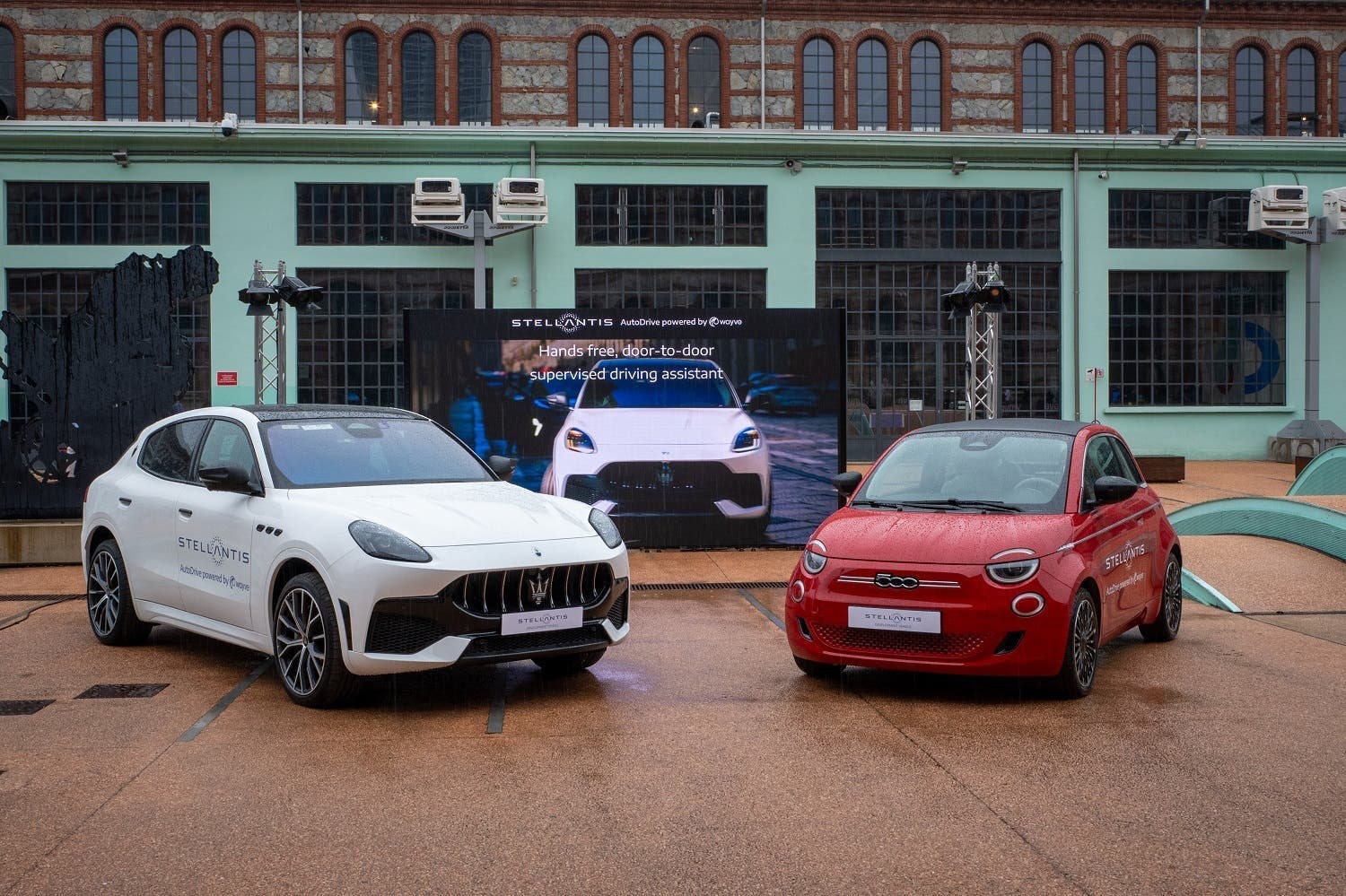
Artificial intelligence will also move into Stellantis vehicles. In Turin, Stellantis and Wayve demonstrated a Fiat 500e and Maserati Grecale equipped with a driver-assistance system that allows hands-off driving while keeping the driver responsible for supervision. Stellantis expects the first production application in North America in 2028.
The same strategy includes voice assistants powered by ChatGPT and Mistral AI, along with the rollout of STLA Brain, SmartCockpit and AutoDrive technologies beginning in 2027. By 2030, Stellantis expects to install at least one of those technologies in 35% of the vehicles it produces each year, with that share projected to exceed 70% by 2035.