

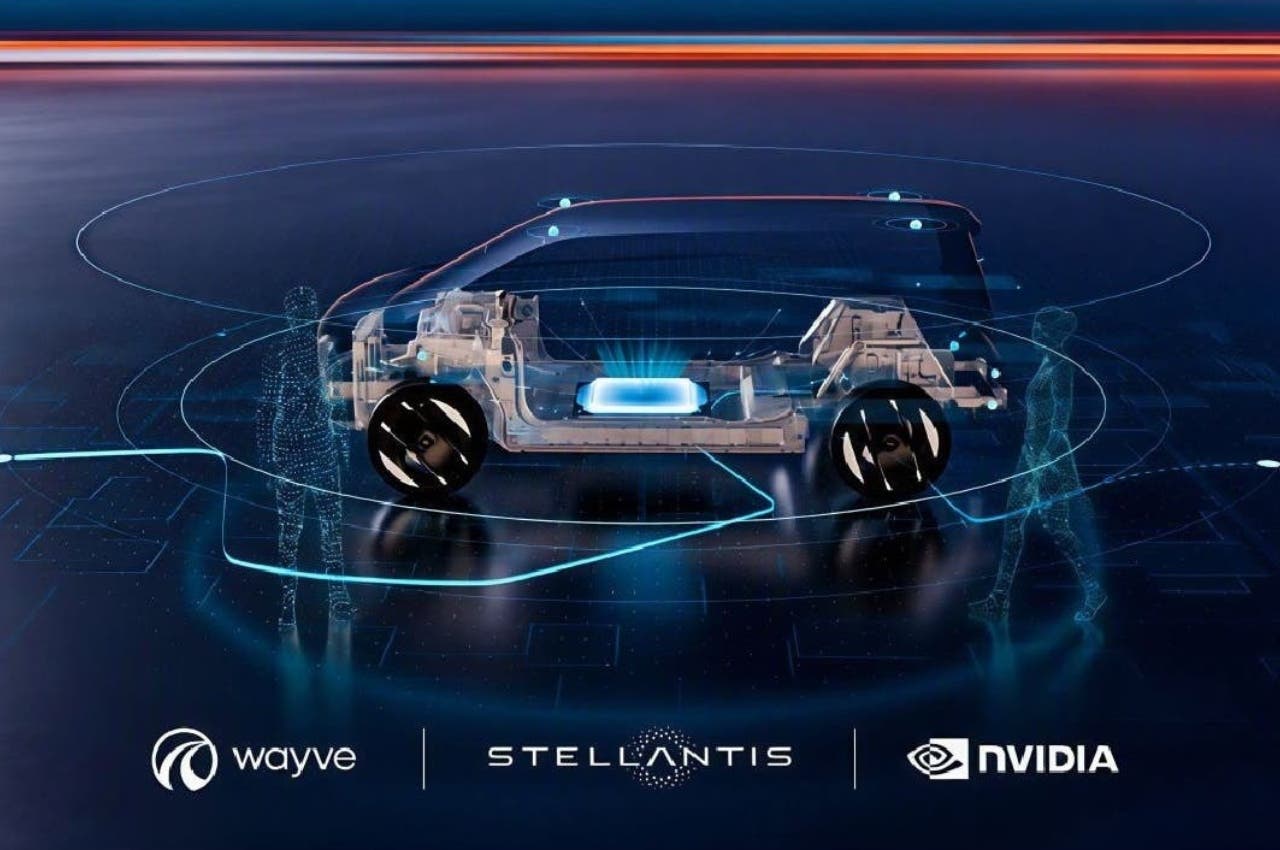
Stellantis, Wayve and NVIDIA have chosen France to build a new partnership around autonomous driving, involving the government in the development of both the technology and the conditions needed to introduce it on European roads. The announcement, made during the Assises du Véhicule Autonome, concerns an industrial and institutional project that still lacks a timetable for public services.
Stellantis, Wayve and NVIDIA team up in France on driverless technology
French authorities plan to support the companies by updating the regulatory framework. Transport Minister Philippe Tabarot said the government wants to encourage innovation while maintaining strict requirements for safety and data management, two areas that companies and regulators will need to address before expanding the use of autonomous vehicles.
Transport operators will also need to engage with local authorities, trade unions and other mobility stakeholders. The discussions will help take into account the needs of affected communities and the employment impact of future services, rather than limiting development to technology testing alone.
Stellantis will handle the automotive side of the partnership through its L4-Ready platforms and the expertise required to design and build the vehicles. The group’s role will therefore cover the transition from system integration to deployment in mass-produced vehicles, combining research work with engineering operations already based in France.
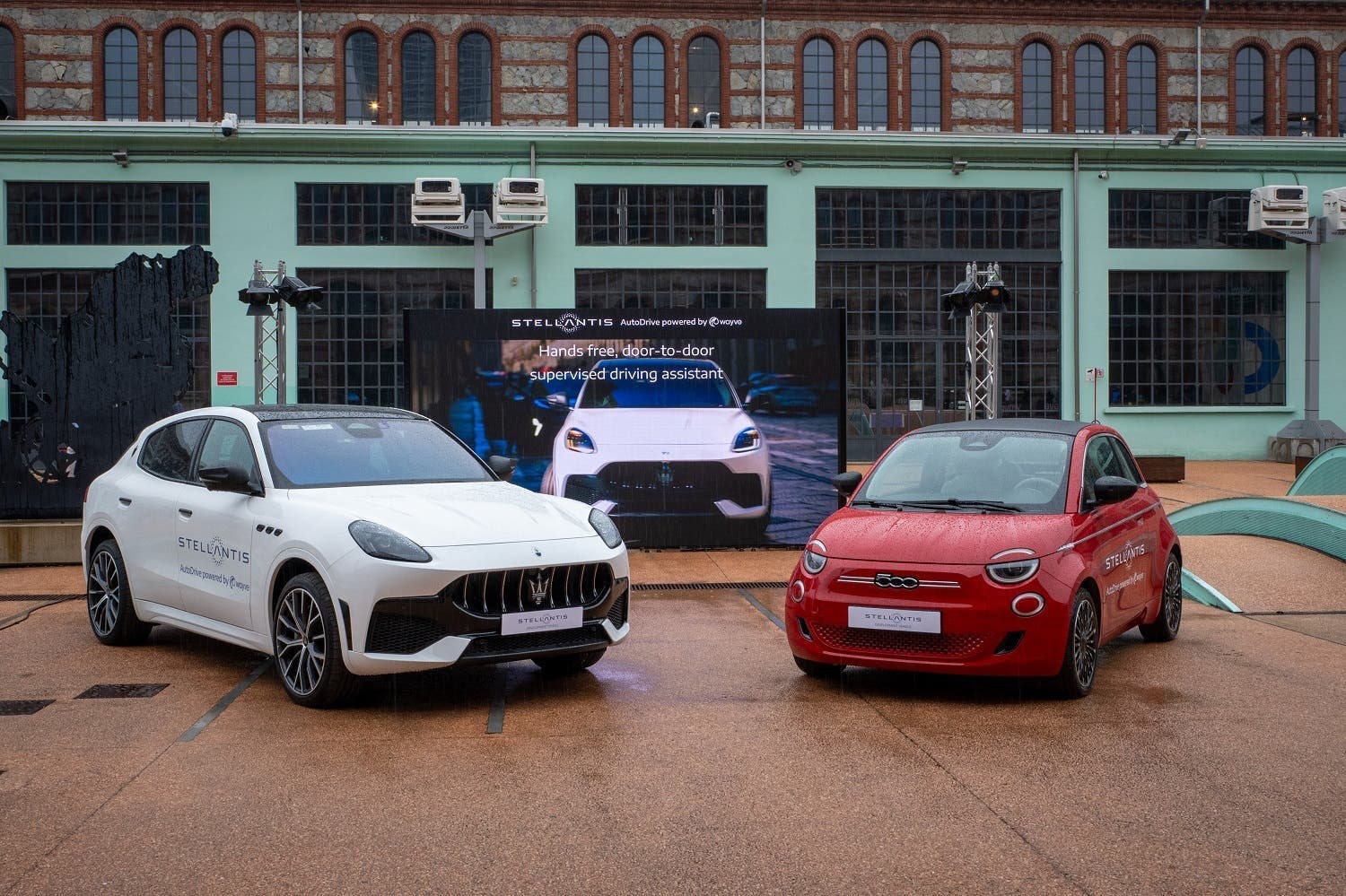
Wayve will contribute AI Driver, its artificial intelligence-based autonomous driving software. NVIDIA’s Hyperion platform will provide sensors and computing power, completing the technology stack that the three companies plan to use for vehicles capable of operating without a human driver.
The choice of France also reflects the size of its app-based ride-hailing market, one of the largest in Europe. The country therefore offers both industrial and scientific capabilities to support the project and a potential market for future services, within an initiative that could later help expand the technology across the continent.
Kaity Fischer, head of autonomous mobility operations at Wayve, stressed the importance of working with both companies and public institutions to introduce these systems responsibly. For the British company, the agreement also offers an opportunity to strengthen its activities in France by combining its expertise with that of the two partners.
The broader context includes the €109 billion in artificial intelligence investment announced at the 2025 Paris summit, a figure that covers the sector as a whole rather than this specific initiative. The companies and authorities still need to announce which cities will take part, which vehicles they will use and when the first services will begin.