

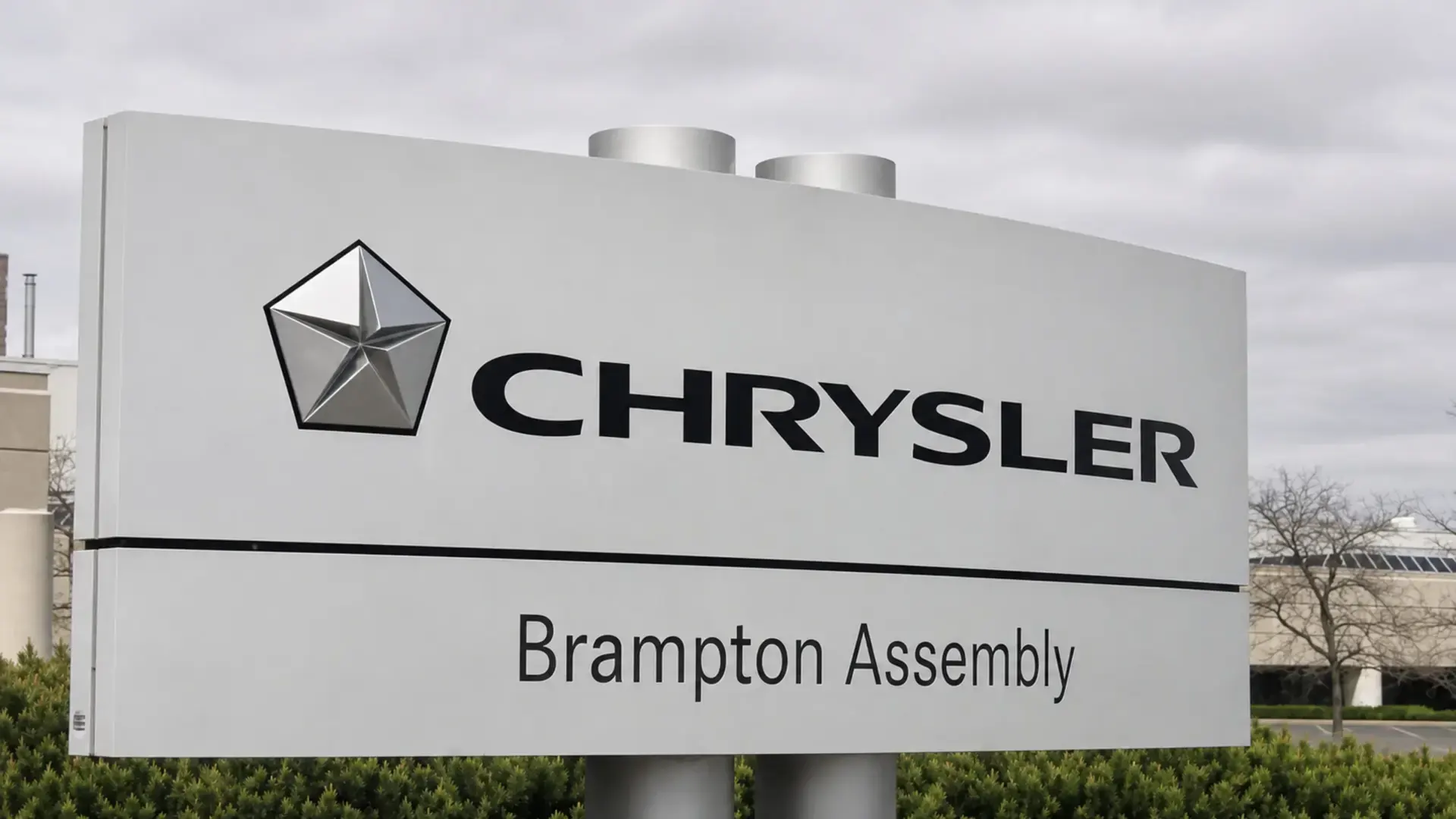
The Canadian government has given Stellantis 30 days to address what it says are breaches of the company’s 2022 funding agreement. Industry Minister Mélanie Joly sent the formal notice after Stellantis signed a deal to sell its Brampton, Ontario, plant to armored-vehicle manufacturer Roshel. Ottawa argues that Stellantis moved planned Jeep Compass production from Brampton to the United States, while roughly 2,200 workers at the Canadian site are still waiting for a solution.
Stellantis Canada says it is prepared to voluntarily repay C$24 million. CEO Trevor Longley explained that the amount corresponds to the funding the company received to retool Brampton. The federal agreement also covered Windsor and provided for up to C$529 million across the two plants, of which C$222.4 million had been paid out as of March 31, 2025. If the dispute remains unresolved when the deadline expires, Ottawa could seek repayment of some or all of the funds through the courts, plus interest.
Canada challenges Stellantis over Brampton sale and relocation of Jeep Compass production
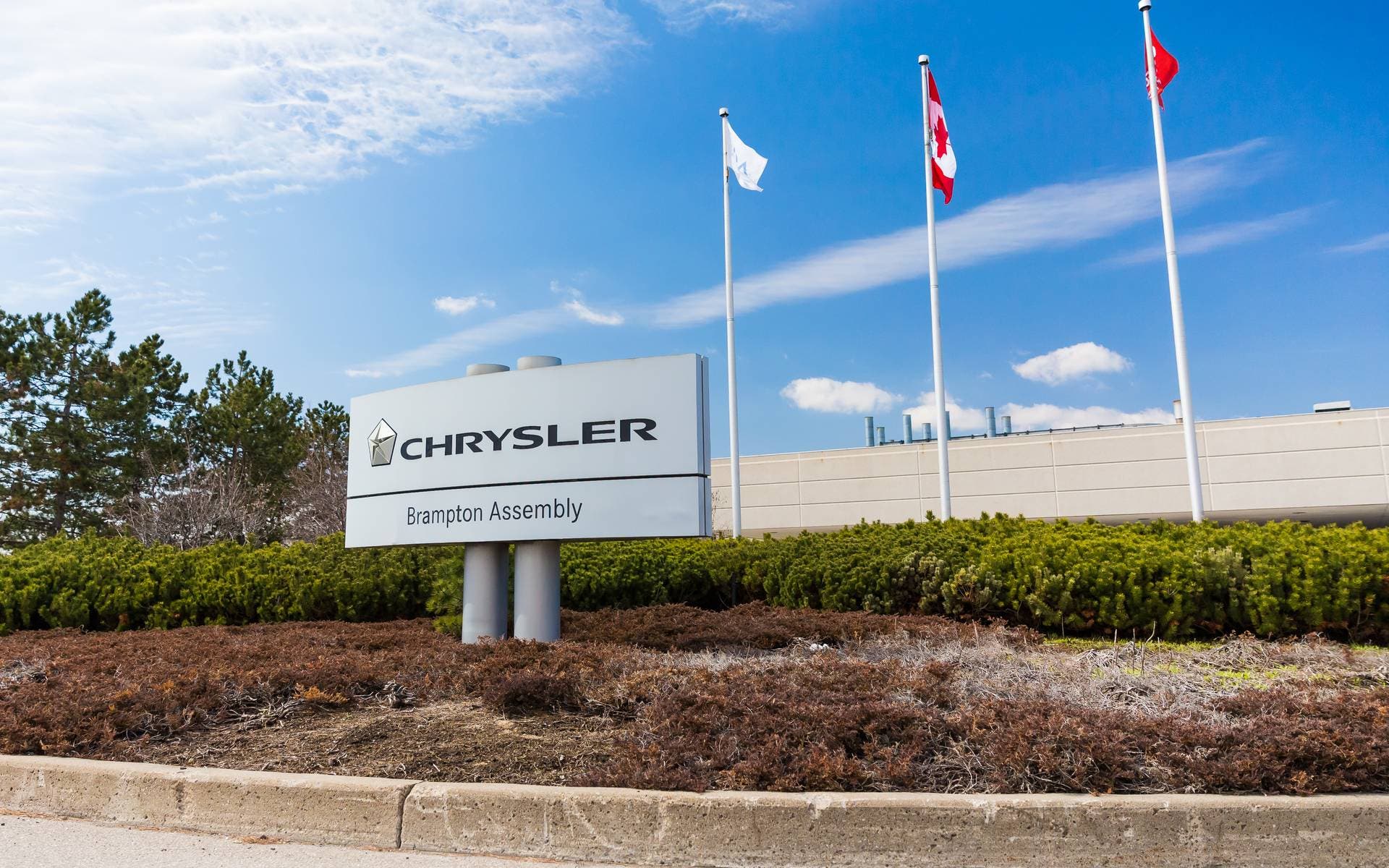
Brampton produced the Dodge Charger, Challenger and Chrysler 300 until December 2023. Retooling work for the Compass began the following year but stopped in February 2025. In October, Stellantis announced that it would build the SUV in Belvidere, Illinois. The group then signed an agreement on November 9, 2026, to sell the Brampton plant and its equipment to Roshel. The price remains confidential, and the two companies expect to complete the transfer by the end of the year once they satisfy the closing conditions.
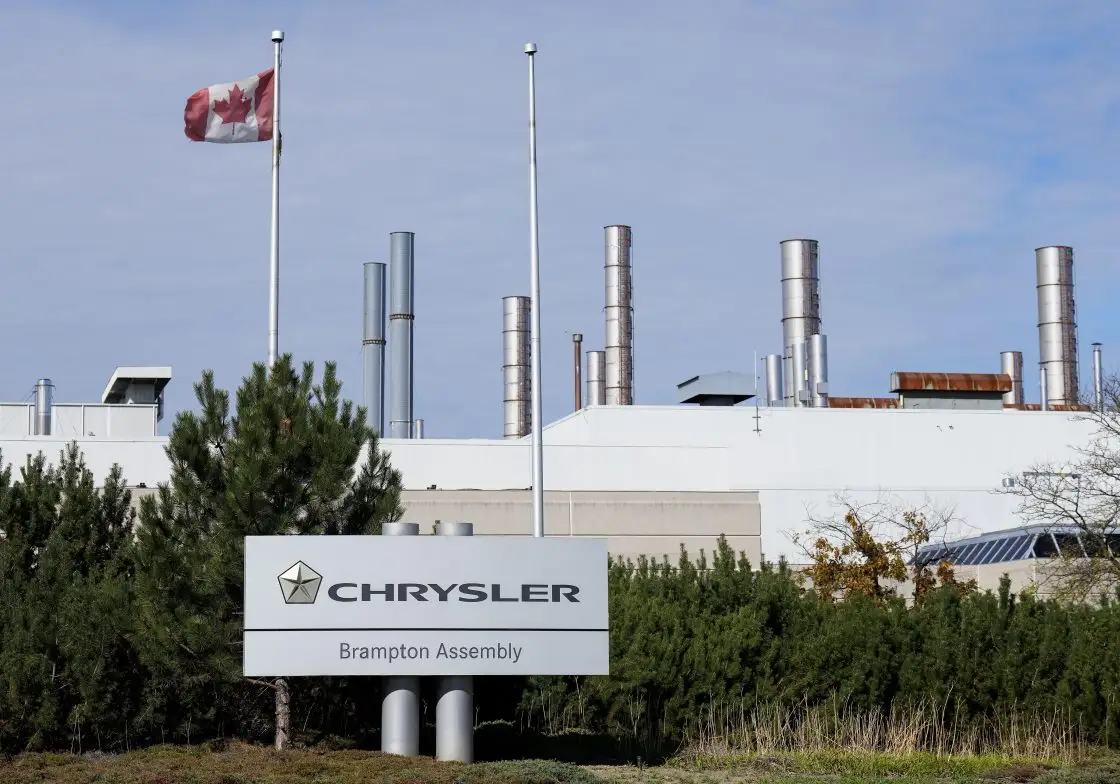
Roshel plans to convert the site for advanced industrial production and says it will give Brampton workers priority when hiring. How many jobs the company can offer remains unclear. A November 12 meeting involving Stellantis, Unifor and the federal and Ontario governments ended without an agreement for the workers. Union president Lana Payne wants direct talks with Antonio Filosa. Stellantis says it is willing to negotiate a solution that takes employee seniority into account.
Payne argues that governments had more room to intervene before the sale agreement was signed, when the union was already calling for vehicle assembly to remain at the site. According to CTV News, federal officials had discussed the transaction with the companies and knew the terms of the sale before the announcement. Joly’s office rejected the suggestion that Ottawa had endorsed the deal, while Prime Minister Mark Carney publicly criticized Stellantis’ decision.