

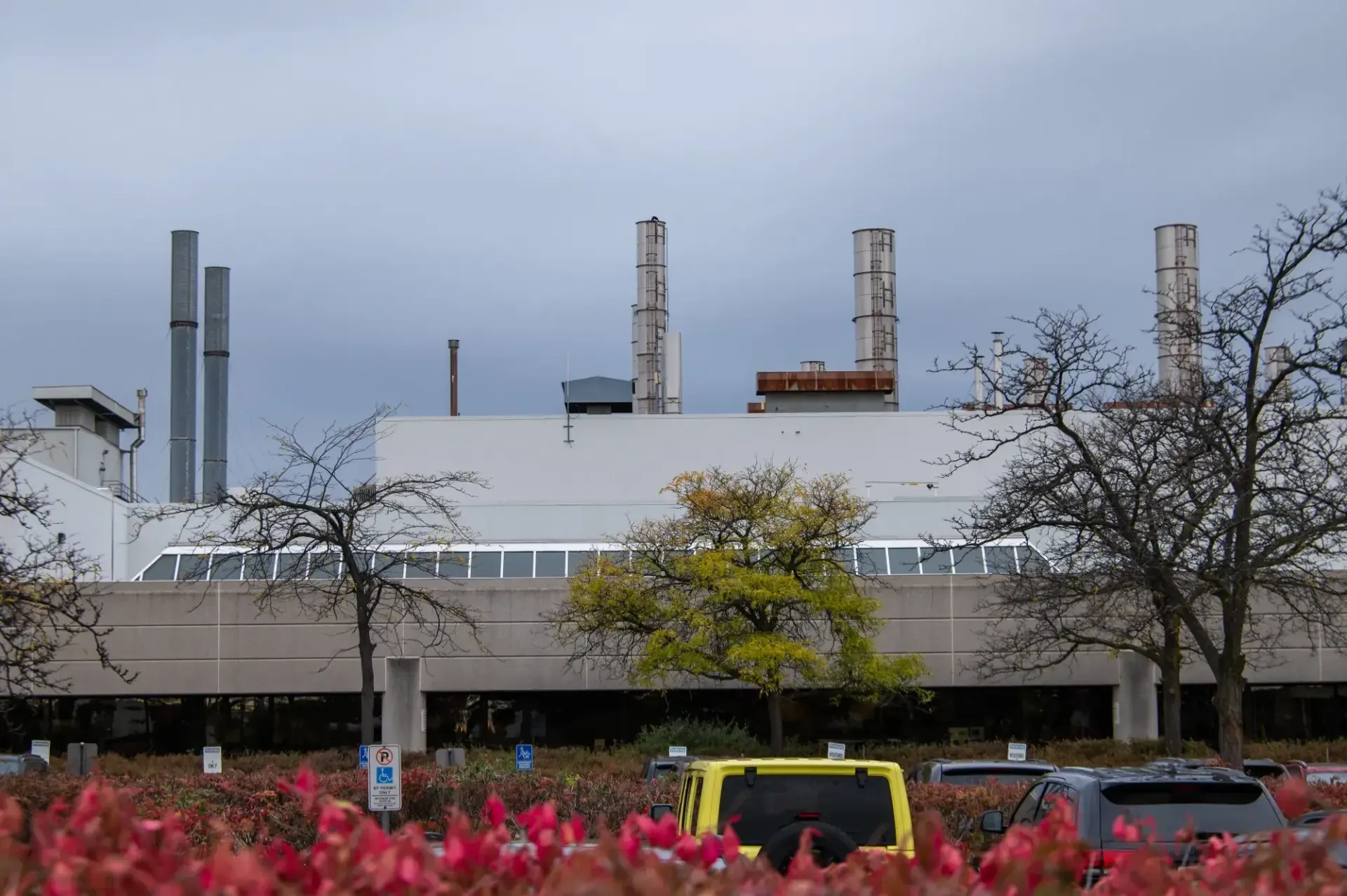
Ontario Premier Doug Ford’s government recently urged Ottawa to scrap industrial carbon pricing, claiming that emissions regulations cost Stellantis a staggering $330 million annually. There is just one minor problem with that dramatic talking point: according to Joanna Kyriazis, Director of Policy and Strategy at Clean Energy Canada, the math misses the target entirely.
In 2023, the final year the Brampton assembly plant was active, total industrial carbon compliance costs for the entire Canadian automotive sector sat just under $3 million, before factoring in rebates or discounted credits. Because Stellantis’s Windsor and Brampton plants accounted for roughly 25 percent of the sector’s reported emissions that year, the automaker’s actual industrial carbon bill was a tiny fraction of $3 million, nowhere near $330 million.
Furthermore, while Ford noted that keeping an idle, climate-controlled Brampton factory running costs Stellantis about $135 million a year, exactly zero dollars of that “heating bill” come from carbon pricing, since output-based systems charge nothing when no vehicles roll off the line.
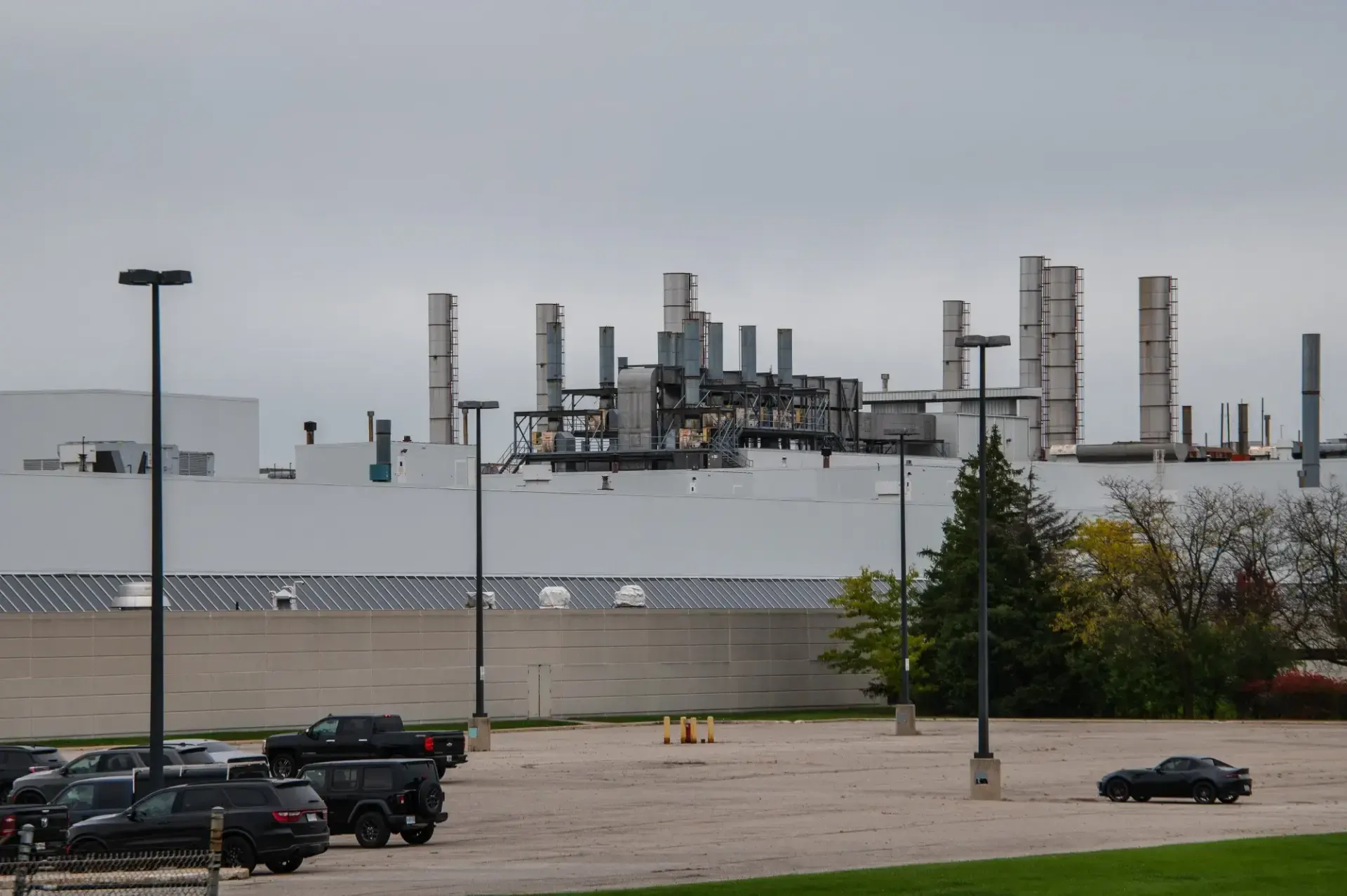
Tailpipe emissions rules don’t explain the mystery figure either. Rather than paying direct government fines, automakers that fall short on fuel efficiency buy credits from cleaner competitors, and those rules apply strictly to cars sold in Canada. Since 90 percent of Brampton’s output was exported to the United States, only the remaining 10 percent sold domestically ever factored into Canadian compliance, and once the plant closed, its direct link to credit purchases vanished altogether.
Instead of gutting climate rules, Kyriazis points out that Ottawa has already paused tailpipe standards until 2030 while offering billions through the Strategic Response Fund, a $2.5 billion worker-protection action plan, and tariff relief. Weakening regulations further would punish rivals that actually adapted, such as Toyota, whose electrified models accounted for nearly 70 percent of its Canadian sales in October.
While the U.S. remains a regulatory outlier, leaving American drivers paying higher fuel and healthcare bills while automakers build EVs for the 80 percent of the global market that enforces emissions standards, Canada shouldn’t follow suit.
If Ottawa genuinely wants to help Stellantis, two practical solutions sit right on the table. Regulators could finally recognize EU-certified vehicles for Canadian sale, letting Stellantis import the affordable electric models it already builds for Europe, or greenlight the automaker’s plan to assemble Leapmotor EVs in Brampton exclusively for Canadian buyers, satisfying federal, Quebec, and British Columbia EV mandates without relying on fuzzy math.