

Corporate belt-tightening is nothing new in the auto industry, though Stellantis seems determined to put itself on a “starvation diet” that would make a supermodel blush. The automotive giant has unveiled a sweeping plan to slash annual costs by €6 billion by 2028 compared to 2025 levels, with an ambitious target to have at least 40 percent of those savings locked and loaded by the end of 2026.
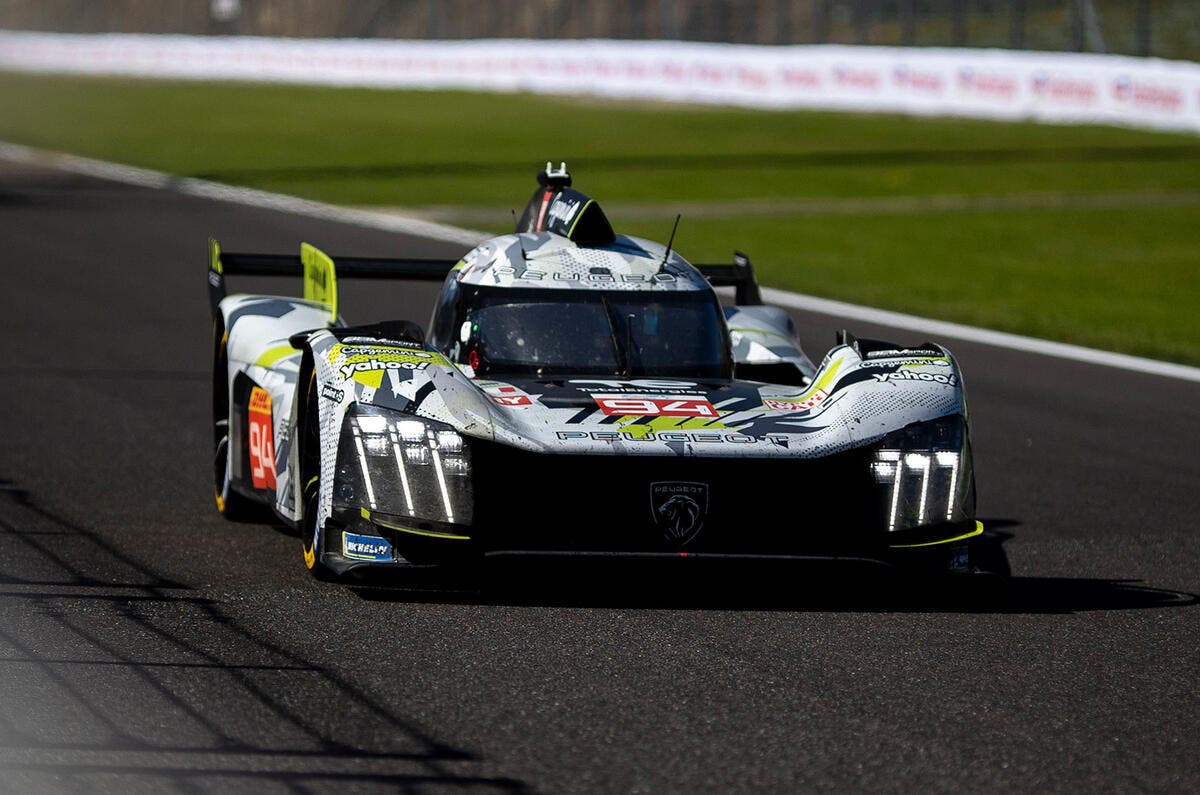
While the headline-grabbing exits from the World Endurance Championship and Formula E already signaled that racing budgets were first on the chopping block, the real surgery targets the daily nuts and bolts of how the company builds, ships, and sells cars.
On the supply chain front, Stellantis is squeezing suppliers by aggressively benchmarking component prices while simultaneously streamlining logistics. Across Europe, this leaner philosophy translates into shrinking production capacity by more than 800,000 vehicles annually by 2030.
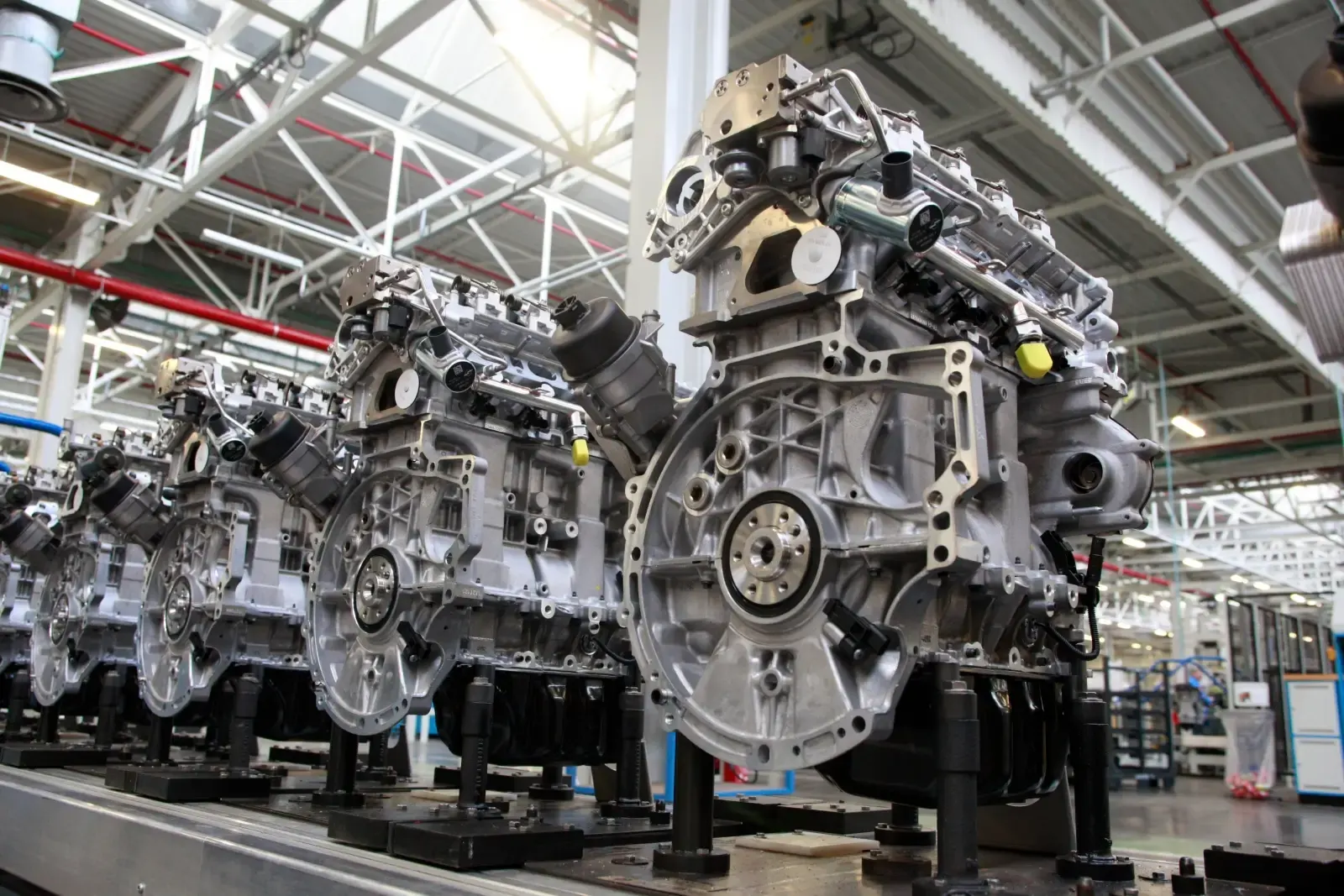
Factories are already pivoting: Poissy in France is shifting toward parts production and remanufacturing, while Douvrin officially pulled the plug on internal combustion engines on October 30, rolling out a final 1.2-liter PureTech unit like a museum piece.
North America isn’t escaping the scalpel either. Third-quarter program adjustments and canceled projects already racked up €31 million in charges, and on November 9, Stellantis signed a conditional deal to offload its Brampton assembly plant in Canada to defense manufacturer Roshel. To save cash on future vehicle development, the automaker is leaning heavily on partnerships, with CEO Antonio Filosa confirming on November 12 that Leapmotor will collaborate on small electric vehicles destined for the Pomigliano d’Arco plant in Italy.
Even the human element and executive suites are getting a makeover. In France, an updated October agreement caps voluntary departures at 980 employees within Stellantis Auto SAS through February 28, 2027.
Meanwhile, brand leadership is consolidating fast: Fiat and Lancia now share a single boss, while Xavier Chardon oversees both Citroën and DS Automobiles, a practical arrangement that stops just short of an actual brand merger, at least for now. All of this unfolds while Stellantis continues to absorb undisclosed, and undoubtedly painful, expenses from Takata airbag recalls and PureTech engine fixes.