

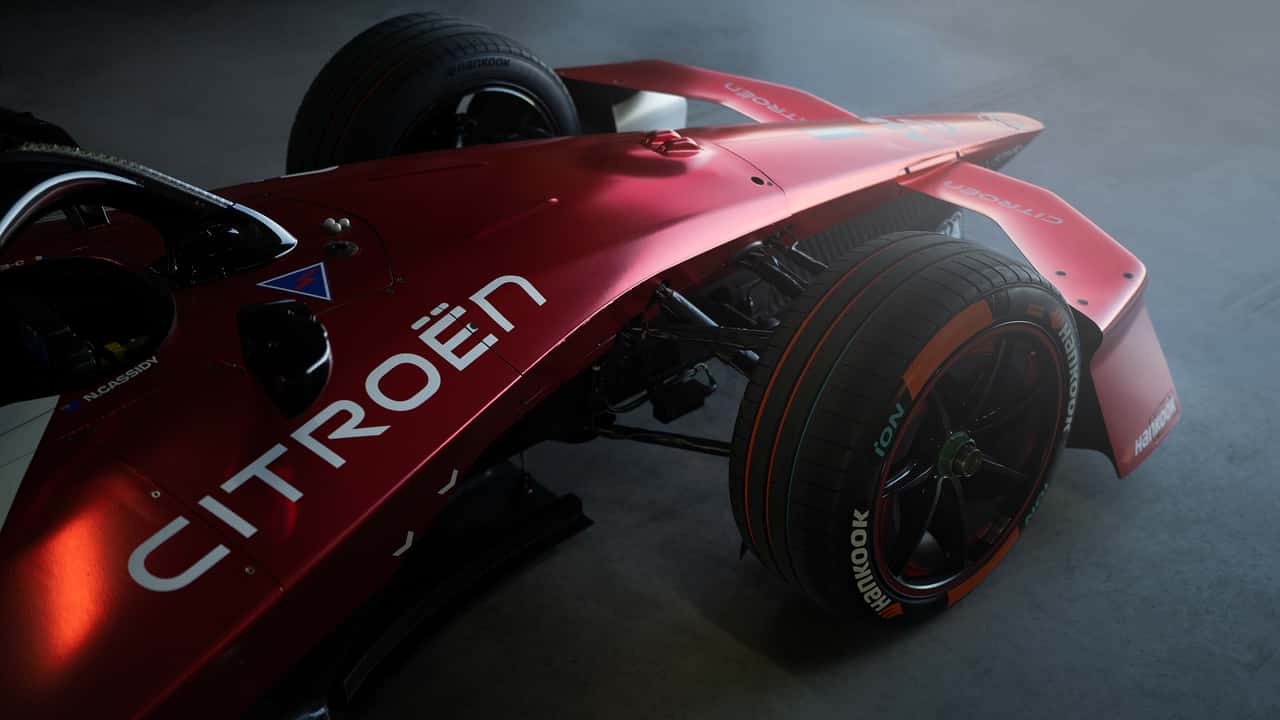
Approximately 300 million euros a year. According to Auto Infos, that is the annual price tag of the entire Stellantis Motorsport division, a hefty sum that helps put the conglomerate’s decision to abandon both the FIA World Endurance Championship (WEC) and Formula E into perspective.
However, before anyone assumes the accountants just found a magical golden goose, it is worth noting that this €300 million figure covers every single racing operation under the Stellantis umbrella, including customer rally programs and high-performance road car development, both of which are sticking around. Exactly how much cash the automaker will actually pocket by pulling the plug on its factory racing teams remains fuzzy.
Running factory motorsport programs is an expensive habit, burning cash on R&D, endless track testing, spare parts, and shipping entire garages full of gear across the globe. Cutting those line items is where Stellantis will feel immediate relief.
For Peugeot, exiting the WEC at the end of 2026 conveniently cancels all planned 2027 evolution work on the wingless 9X8 hypercar. Over in Formula E, however, the bill won’t stop arriving just yet: Opel and Citroën are still committed to racing the Season 13 GEN4 single-seaters, meaning those expenses will keep ticking until the summer of 2027.
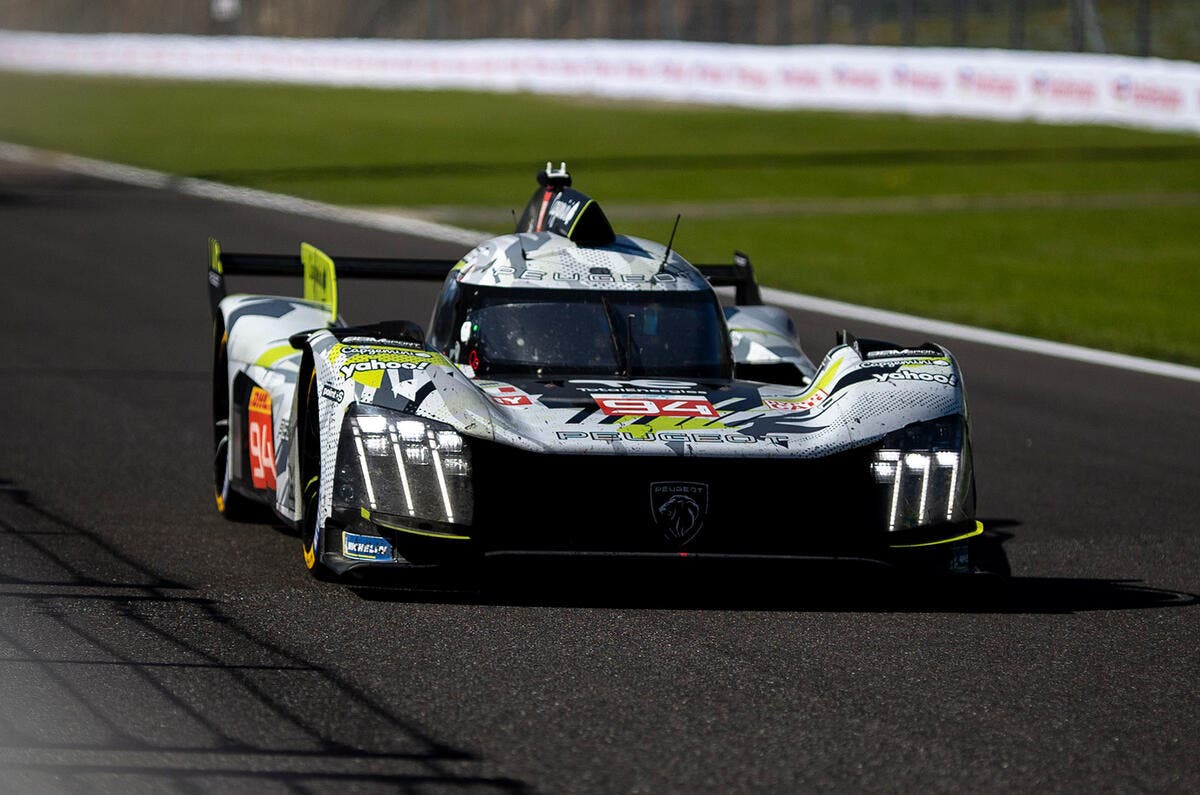
Rather than handing out mass pink slips, Stellantis plans to reassign a portion of its racing engineers to customer racing and sporty production models, specifically flagship Alfa Romeo and Maserati vehicles, alongside Veloce, GTi, HF, and GSE trims.
Measuring the true financial relief depends heavily on how many staffers make that jump and how much funding those road-car projects absorb. When zoomed out against Stellantis’s broader corporate target of slashing €6 billion in annual costs by 2028 compared to 2025 levels, the motorsport exit looks surprisingly modest. Even if Stellantis shuttered the entire €300 million racing division tomorrow, it would cover just 5 percent of that €6 billion goal, and since customer racing and performance road cars will keep running, the real savings will be even smaller.
Of course, quantifying the marketing ROI of racing results notoriously tricky compared to counting logistics invoices. For mainstream brands, Sunday podiums rarely translate directly into Monday dealership foot traffic, where sticker prices and powertrain options rule the day. Still, for Opel and Citroën, Formula E served as a rolling billboard for their EV ambitions.