

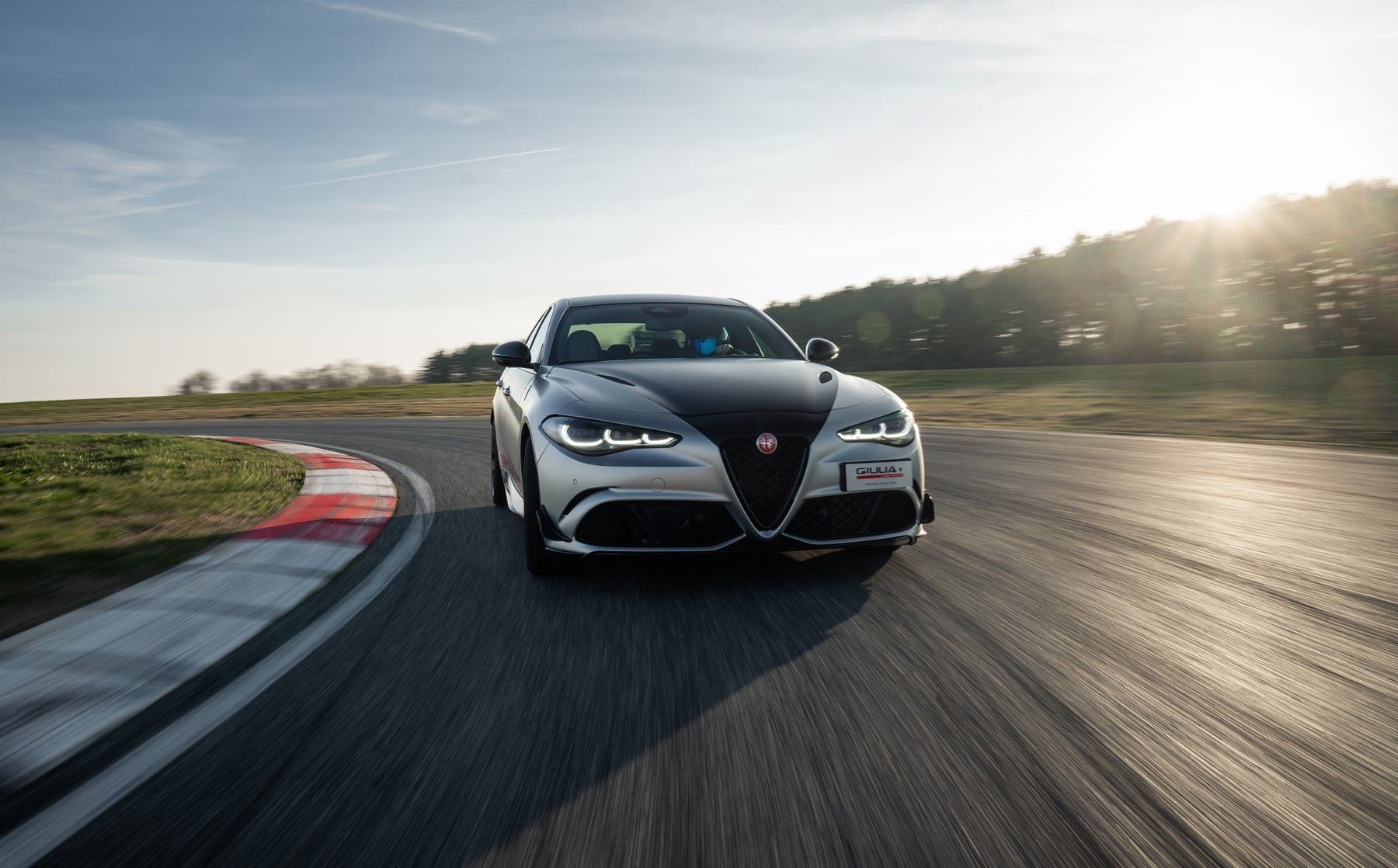
Stellantis has decided to end its official participation in the World Endurance Championship and Formula E, redirecting the expertise and resources of its Motorsport division toward new performance cars and customer racing programs. The move, announced on November 23, forms part of the FaSTLAne 2030 industrial plan, which calls for 25 new models in Europe and an equal number of major product updates over five years.
Stellantis redirects motorsport resources toward Alfa Romeo and Maserati sports cars
The 6 Hours of Monza on November 8 therefore marked the final official World Endurance Championship appearance for the Peugeot 9X8. Peugeot returned to the series in 2022 but never managed to score a victory. The French brand had already started work on an evolution of the current hypercar for the 2027 season, but Stellantis stopped the project before the car could compete in another 24 Hours of Le Mans.
Citroën and Opel will continue their Formula E programs through the summer of 2027, when the championship’s 13th season comes to an end. The decision carries particular significance for Opel, which is preparing to make its series debut with the GSE 27FE after taking part in Gen4 testing at Spain’s Jarama circuit from November 16 through 20.
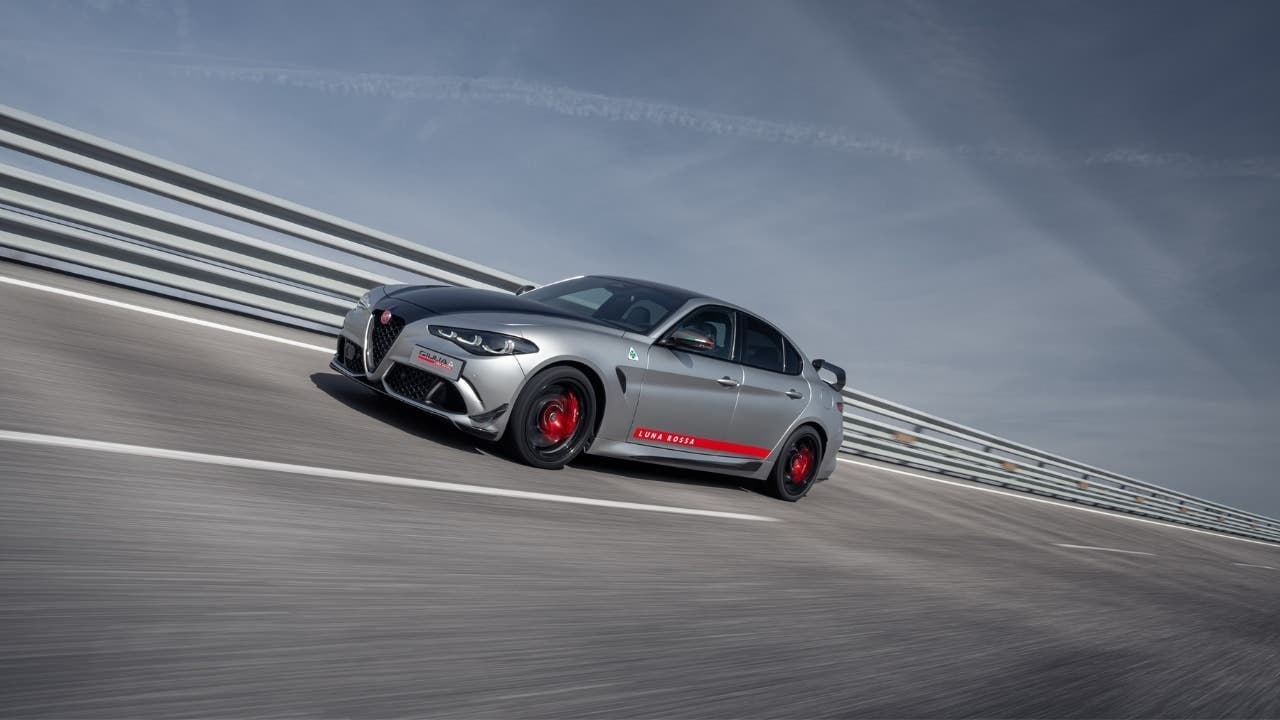
Stellantis Motorsport engineers will continue working on high-performance production vehicles, contributing to exclusive models for Alfa Romeo and Maserati, as well as new Veloce, GTi, HF and GSE versions for Alfa Romeo, Peugeot, Lancia and Opel respectively. Stellantis has not yet detailed which powertrains these vehicles will use, although more information about Maserati’s future could emerge on December 10 during Maserati Day in Modena.
Rally activities will also continue. Stellantis already offers several competition cars for private teams, including the Citroën C3 Rally2 and Lancia Ypsilon Rally2 HF Integrale, alongside additional models in the Rally4 and Rally6 categories. The group plans to reassign employees affected by the closure of its factory-backed programs to road-car development, customer racing and other projects included in the new industrial strategy.
The broader plan will also give Fiat, Jeep, Ram and Peugeot a leading role in introducing technologies and platforms that other Stellantis brands can later adopt, helping the group reduce development costs. Some of the products included in FaSTLAne 2030 already appeared in concept form at the Paris Motor Show in October, including the new electric Citroën 2CV, which is expected to reach the market in 2028.