

Stellantis somehow found the brake pedal. According to fresh data from the European Automobile Manufacturers’ Association (ACEA), the conglomerate led by Antonio Filosa logged 144,785 new car registrations across Western Europe in October, an uncomfortable 8 percent drop compared to the same month in 2025.
To make matters slightly more awkward at the boardroom table, the overall market across the European Union, the UK, and EFTA countries actually expanded by 3.4 percent, reaching 1,128,252 units. Consequently, Stellantis saw its European market share slip from 14.4 percent down to 12.8 percent in the span of a single year.
Looking at the broader January-to-October picture offers slightly better news, though it still feels like bringing a knife to a gunfight. Over the first ten months of 2026, Stellantis managed to register 1,678,352 vehicles, marking a 3.5 percent increase over the previous year.
Unfortunately, the total European market grew by 6 percent during that same stretch, hitting nearly 11.7 million cars. Growing slower than the competition is rarely a winning formula, and October’s sharp contraction only widened that performance gap.
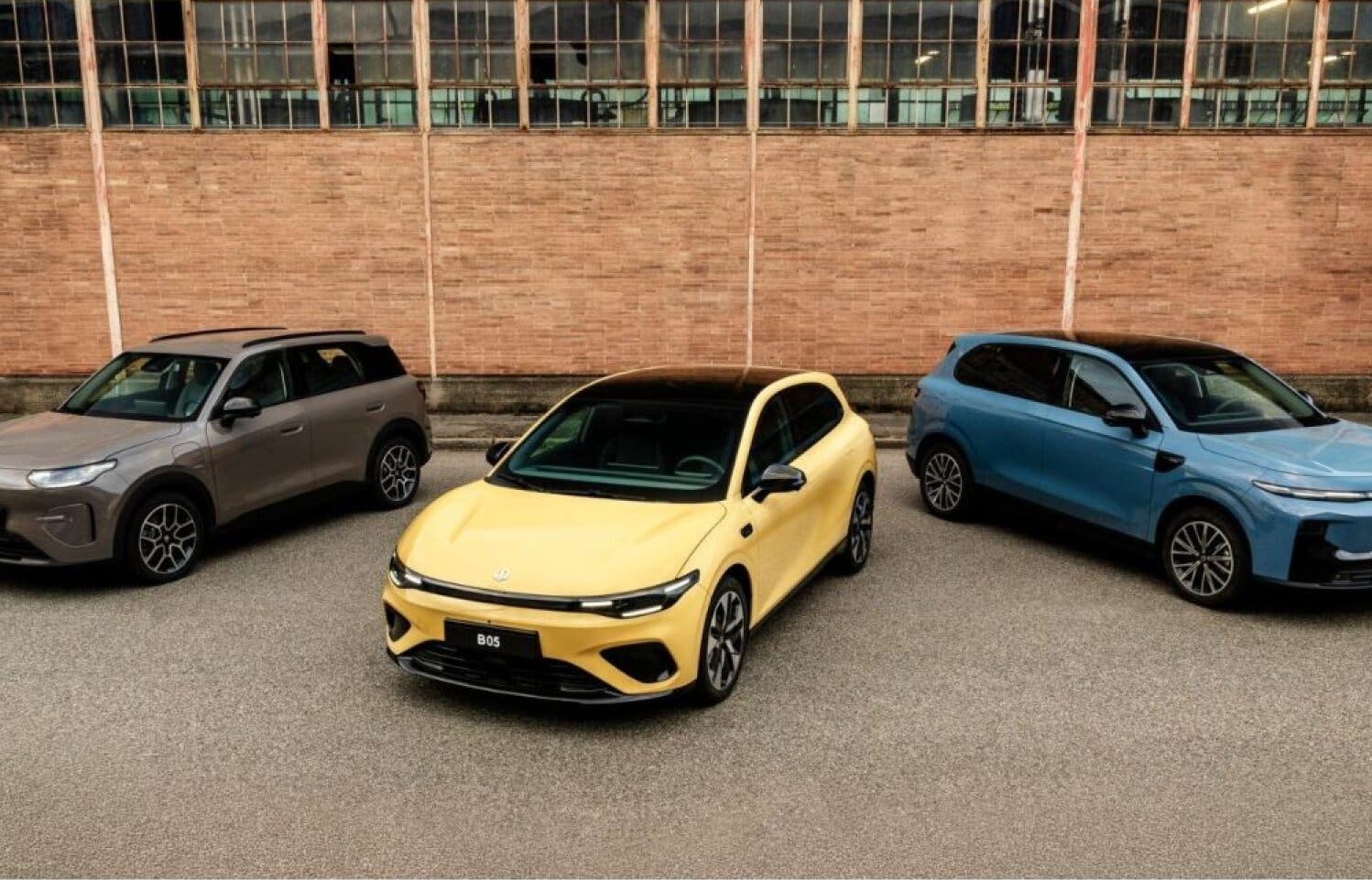
Interestingly, the brightest spot in the Stellantis orbit wasn’t one of its legacy European or American badges, but rather its Chinese partner, Leapmotor, which ACEA tracks separately. Leapmotor more than tripled its October volume to 14,056 registrations, tripling its monthly market share from 0.4 percent to 1.2 percent. Through the first ten months of 2026, the brand crossed the 100,000-unit milestone with 102,156 deliveries, a staggering 390.4 percent surge, albeit boosted by a very modest baseline from 2025 that lifted its year-to-date share from 0.2 percent to 0.9 percent.
All of this unfolds as European buyers rapidly abandon traditional combustion engines in favor of electrification. Within the European Union alone, standard hybrids captured 36 percent of all new registrations between January and October, completely overtaking combined gas and diesel sales, which tumbled from 36.5 percent a year ago to just 27.7 percent today.
Plug-in hybrids also flexed their muscles, reaching 961,959 EU registrations and lifting their market share from 9.2 percent to 10.2 percent. Italy led that charge with a massive 73.1 percent jump in plug-in hybrid registrations, easily outpacing Spain’s 32.3 percent rise and Germany’s comparatively sleepy 11 percent uptick.