

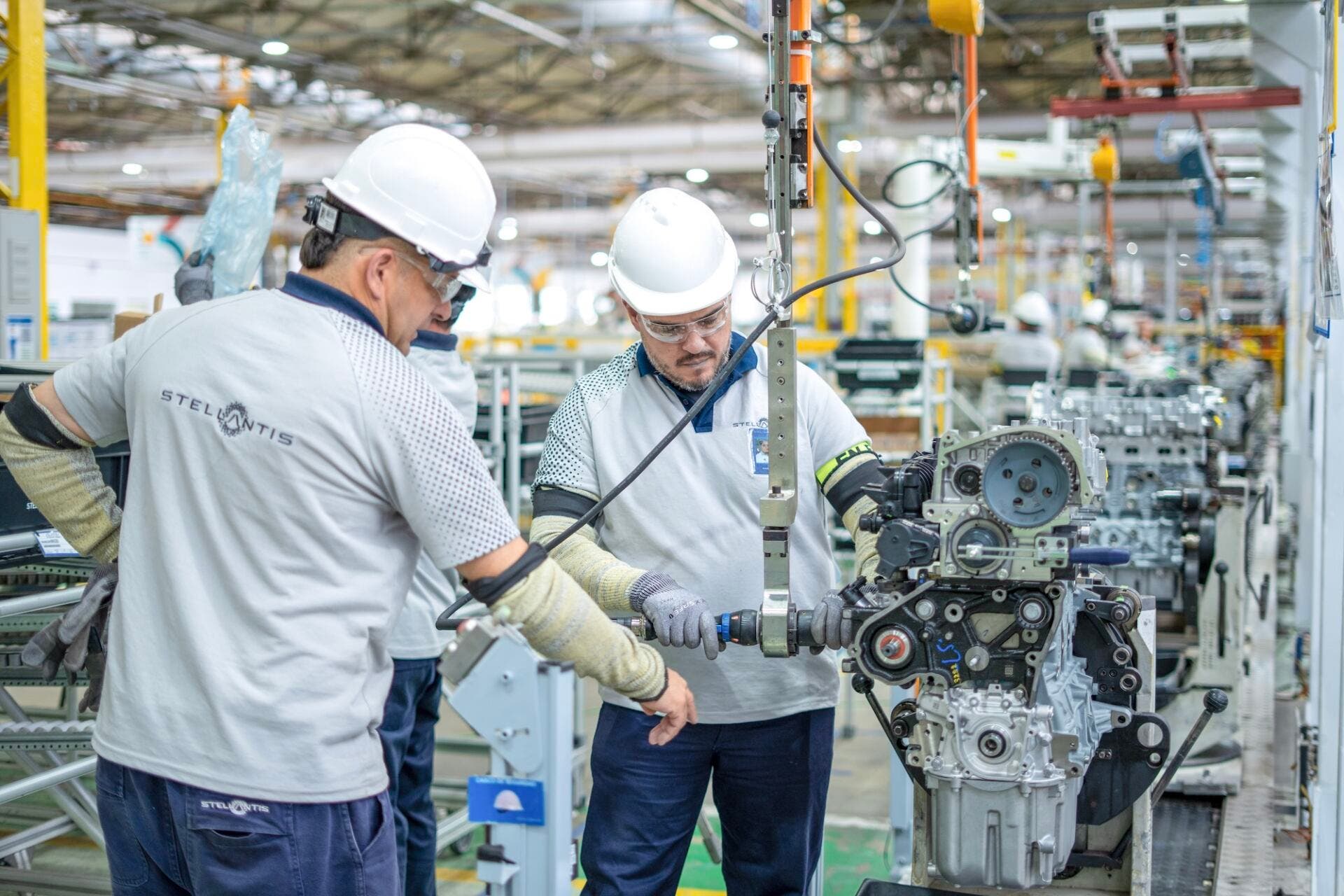
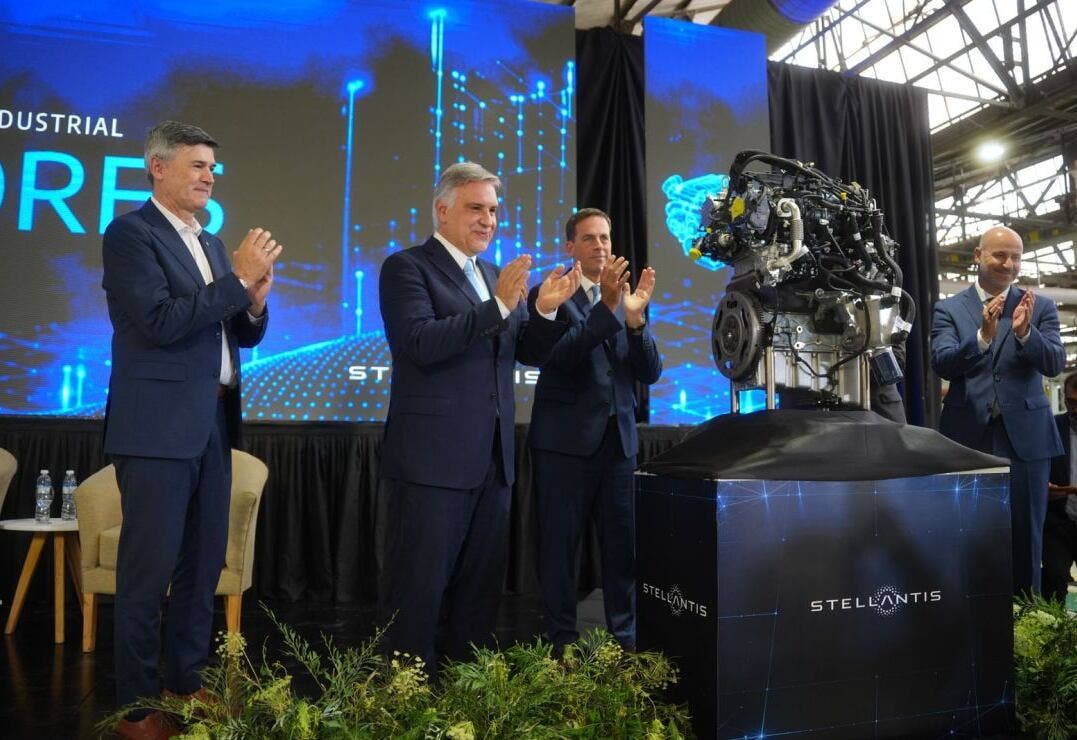
Much of the automotive world pretends diesel engines belong in a museum next to fax machines, but Stellantis has officially fired up production of its 2.2 Multijet engine in Córdoba, Argentina. Timed to celebrate the 30th anniversary of the Ferreyra industrial complex, the newly inaugurated facility is capable of churning out up to 100,000 engines annually.
Rather than keeping all that torque for domestic roads, Stellantis expects over 70 percent of first-year output to head straight for export, primarily to Brazil and Uruguay, while the rest stays local to power the Fiat Titano and Ram Dakota pickups built right on site.
The engine plant anchors a broader $385 million investment in Córdoba that also covers the development of those two pickup trucks, neatly tightening the industrial loop by building powertrains under the same roof as the vehicles they motivate.
This Argentine-built 2.2 Multijet will soon appear beneath the hoods of everything from the Fiat Toro, Ram Rampage, and Jeep Commander to hard-working commercial vans like the Fiat Ducato, Fiat Scudo, Citroën Jumper, and Peugeot Boxer.
During the opening ceremony, Stellantis South America President Herlander Zola pointed out that Ferreyra is now the only plant in Argentina dedicated exclusively to engine manufacturing. Zola didn’t sugarcoat the competitive landscape either, admitting the group has lost market share in recent years and noting that winning it back will require peak efficiency across the entire supply chain, alongside transparent rules to encourage regional trade and investment. Locally, the project brings ten Argentine suppliers into the fold and results projected to generate more than 400 direct and indirect jobs.
For Stellantis Argentina President Martín Zuppi, the milestone marks a major evolution for a facility that has built over 1.5 million vehicles since 1996, including national staples like the Fiat Palio, Siena, and Cronos. Backed by over $1 billion in total investments over the past three years, this high-tech line forms a key pillar of the company’s regional FaSTLAne 2030 industrial strategy. Ferreyra’s immediate challenge is simply keeping up with demand, balancing local pickup needs while shipping tens of thousands of fresh diesel powertrains across South America.