

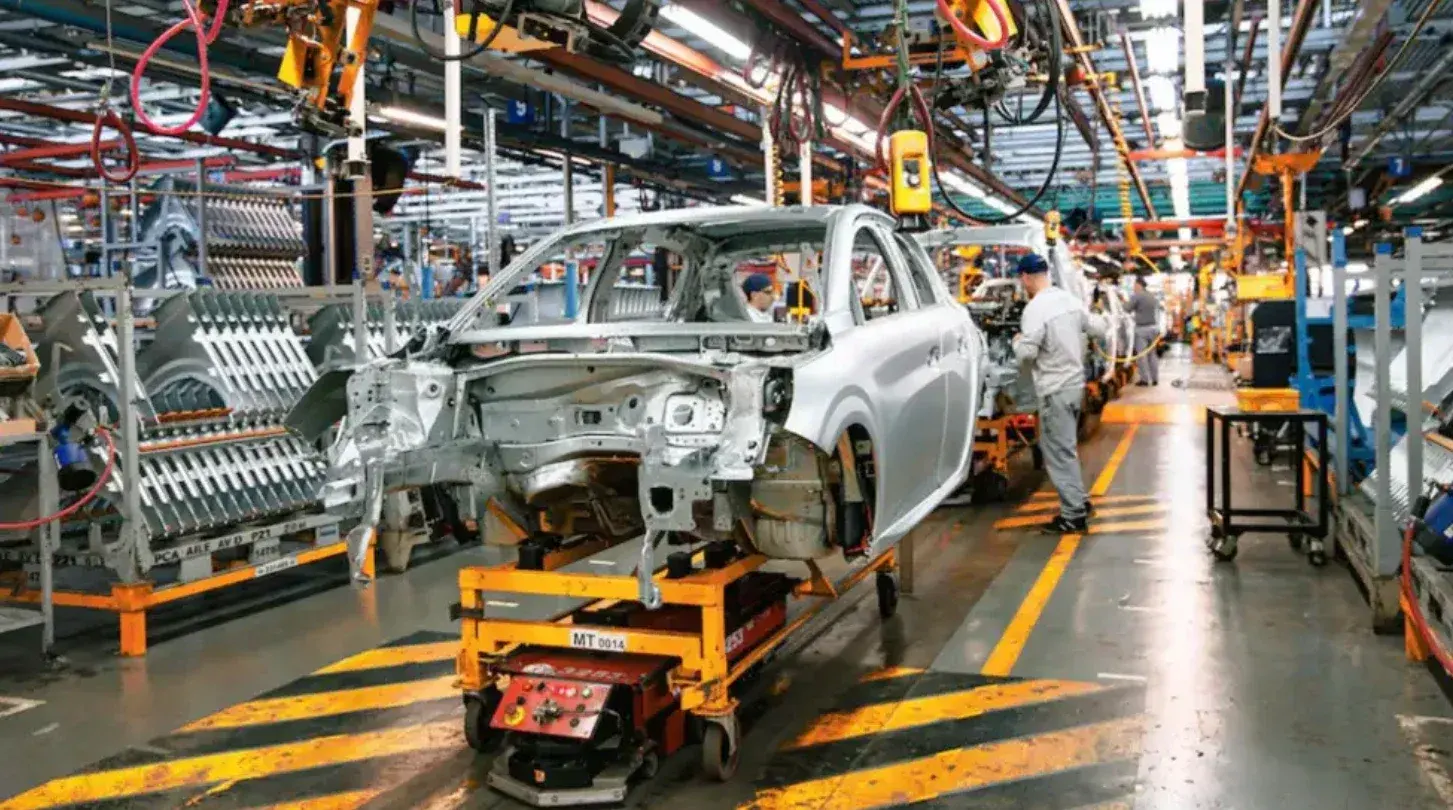
Stellantis is quietly reminding everyone that diesel still rules the practical world. In a fresh industrial announcement made on October 19, the mega-automaker officially confirmed that its Ferreyra complex in Córdoba, Argentina, will start producing the trusty 2.2-liter Multijet turbodiesel engine beginning in 2027.
The project forms part of a massive $385 million investment package earmarked for reshaping the Argentine industrial hub, encompassing new vehicles, fresh components, and a dedicated engine manufacturing plant.
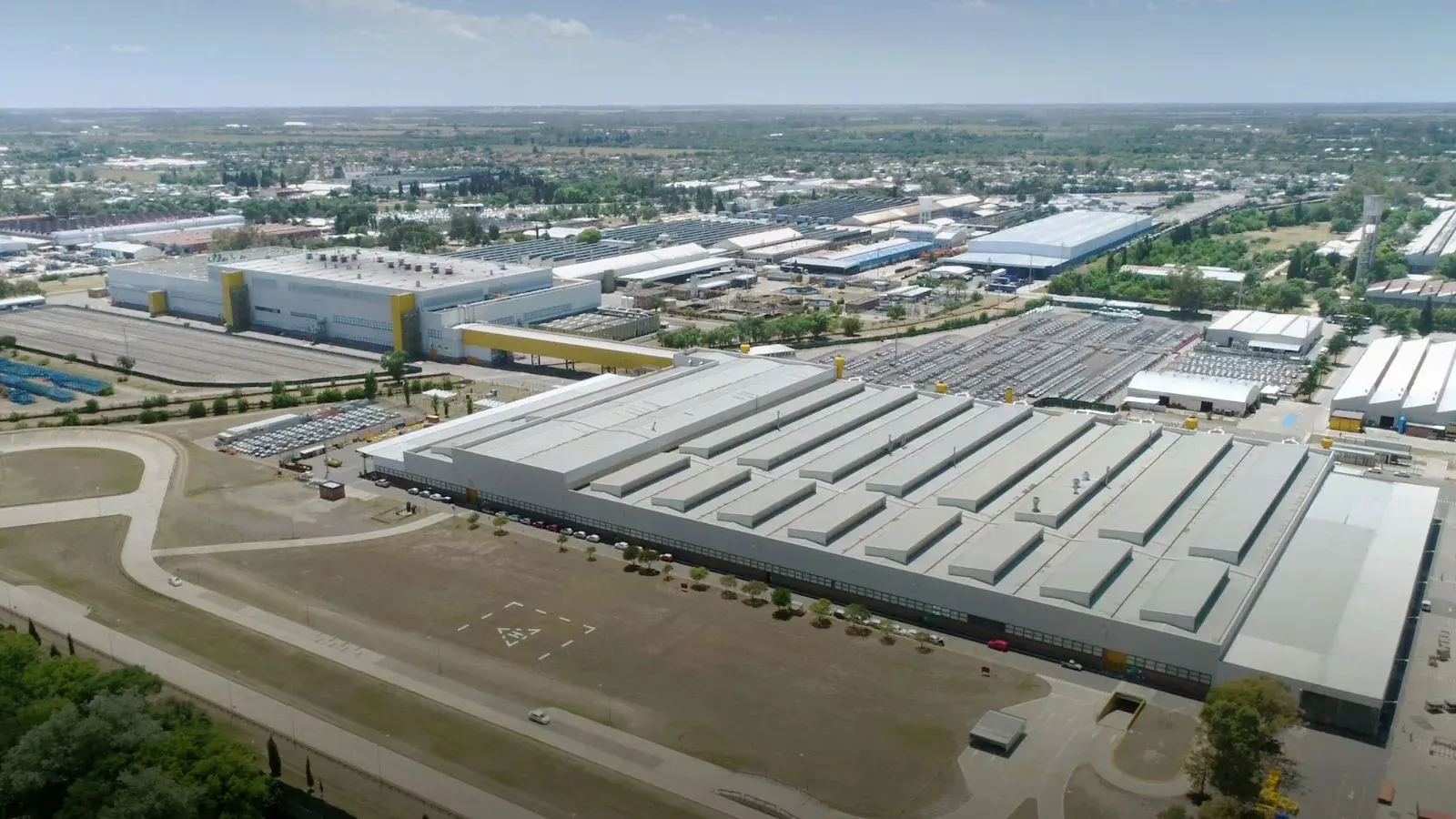
The strategy focuses heavily on powering South America’s relentless appetite for rugged workhorses. Córdoba currently assembles the Fiat Cronos alongside the heavy-duty Fiat Titano and Ram Dakota pickups.
Under the hood, this 2.2-liter power unit is no stranger to regional buyers. In Brazilian-market Ram Dakotas, it already churns out a healthy 200 HP and 330 lb-ft (450 Nm) of torque mated to an eight-speed automatic transmission. Thus, this move isn’t about re-inventing the wheel, but localized self-reliance. The new engine line will satisfy domestic assembly needs while exporting units internationally, giving the plant a global footprint.
The milestone comes right as the historic facility approaches three decades of operation since opening its doors on December 20, 1996. Having started with humble beginnings producing the Fiat Palio and Siena, the complex eventually found massive success with the Cronos, which surpassed 500,000 units on its way to helping the plant reach 1.5 million total vehicles built.
Yet, timing is everything, and the market isn’t without its dramatic plot twists. Demand for pickups slowed down dramatically near the end of August, forcing Stellantis to cut production for the Titano and Dakota down to a single shift starting in September.
Instead of handing out pink slips, Stellantis pulled off an ingenious reshuffle: affected line workers are being reassigned to prepare the infrastructure for the upcoming 2.2 Multijet production line. It turns out that building tomorrow’s diesel powerplants is a great way to keep hands busy while waiting for pickup sales to bounce back.