

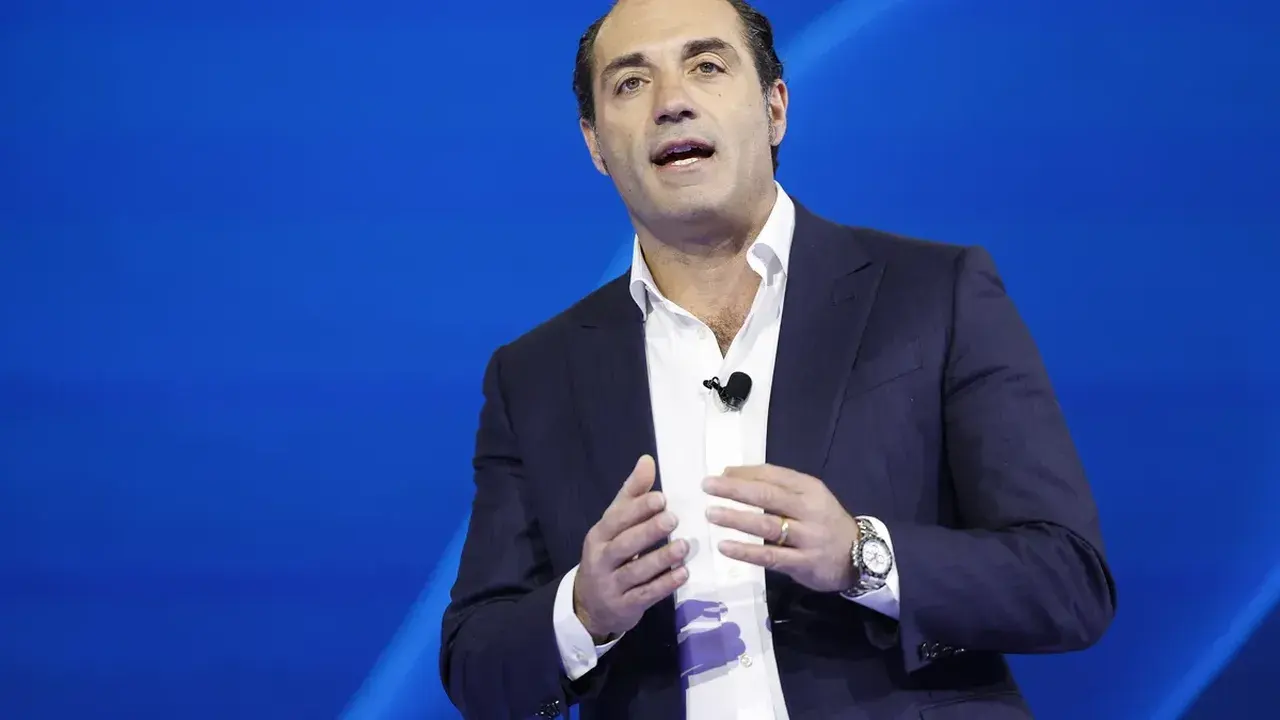
If you were hoping new car prices might magically drop anytime soon, Stellantis CEO Antonio Filosa has some sobering news that will quickly cure your optimism.
Speaking at the Anfia public assembly in Milan on November 12, Filosa warned that both Stellantis and its suppliers should brace for a significantly pricier 2027. Alongside rising raw material expenses, the chief executive singled out surging prices for memory chips, printed circuit boards, and semiconductors. A financial squeeze expected to linger well into 2028 across the entire automotive supply chain.
From the stage, Filosa casually tossed around the word “billions” when discussing inflation, momentarily sending financial analysts reaching for their stress balls. A Stellantis spokesperson later clarified to Reuters that the multi-billion-euro figure refers to the automaker’s massive overall annual cost base, while the exact dollar amount of the 2027 price hikes remains to be tallied.
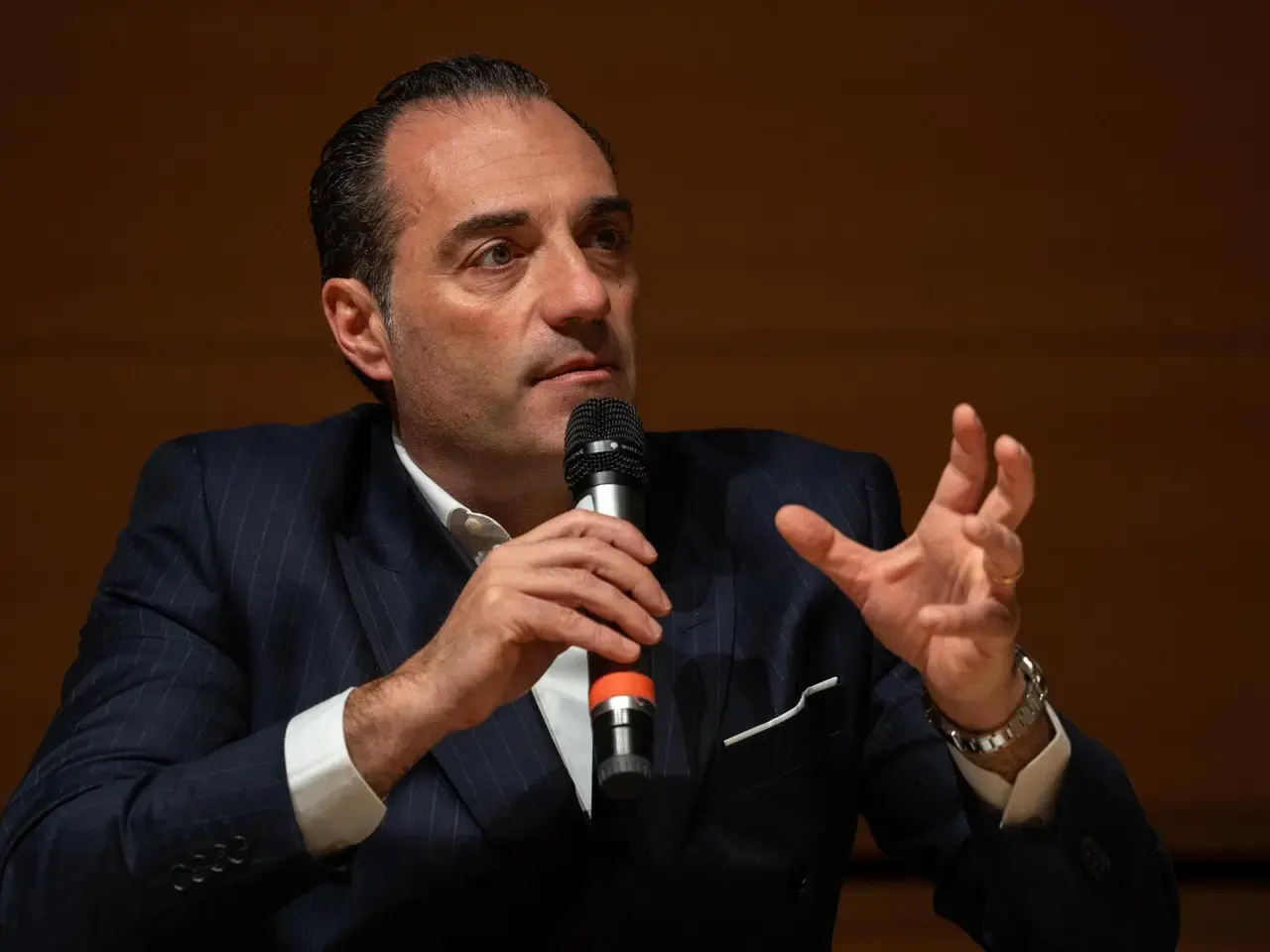
Rather than offering a precise invoice today, Filosa emphasized just how long this cost pressure will stick around and stressed that surviving it will require intense hand-holding with suppliers.
Proof that tiny components can cause giant corporate headaches arrived earlier this month, when electronic supply bottlenecks struck again. A shortage of a single part destined for the “N3 GSE” engine control unit forced Stellantis to slow down production on several Fiat models, with the Mirafiori and Pomigliano d’Arco plants facing disruptions through December.
While that hiccup highlights how one missing microchip can derail assembly lines overnight, Filosa’s broader warning focuses squarely on what those components will cost to buy over the next few years.
Of course, microchips aren’t the only things draining the corporate wallet. Filosa pointed to energy costs as an immediate emergency, noting that in 2026 Stellantis paid roughly four times more per megawatt-hour in Italy than it did in Spain, an electricity bill hefty enough to make any homeowner wince.
To keep manufacturing viable, Stellantis is asking for government support to lower input costs alongside clearer European Union CO2 emissions regulations. Filosa hopes Brussels will deliver concrete guidelines before the year wraps up, giving automakers and suppliers a fighting chance to plan their 2027 investments without flying completely blind.