

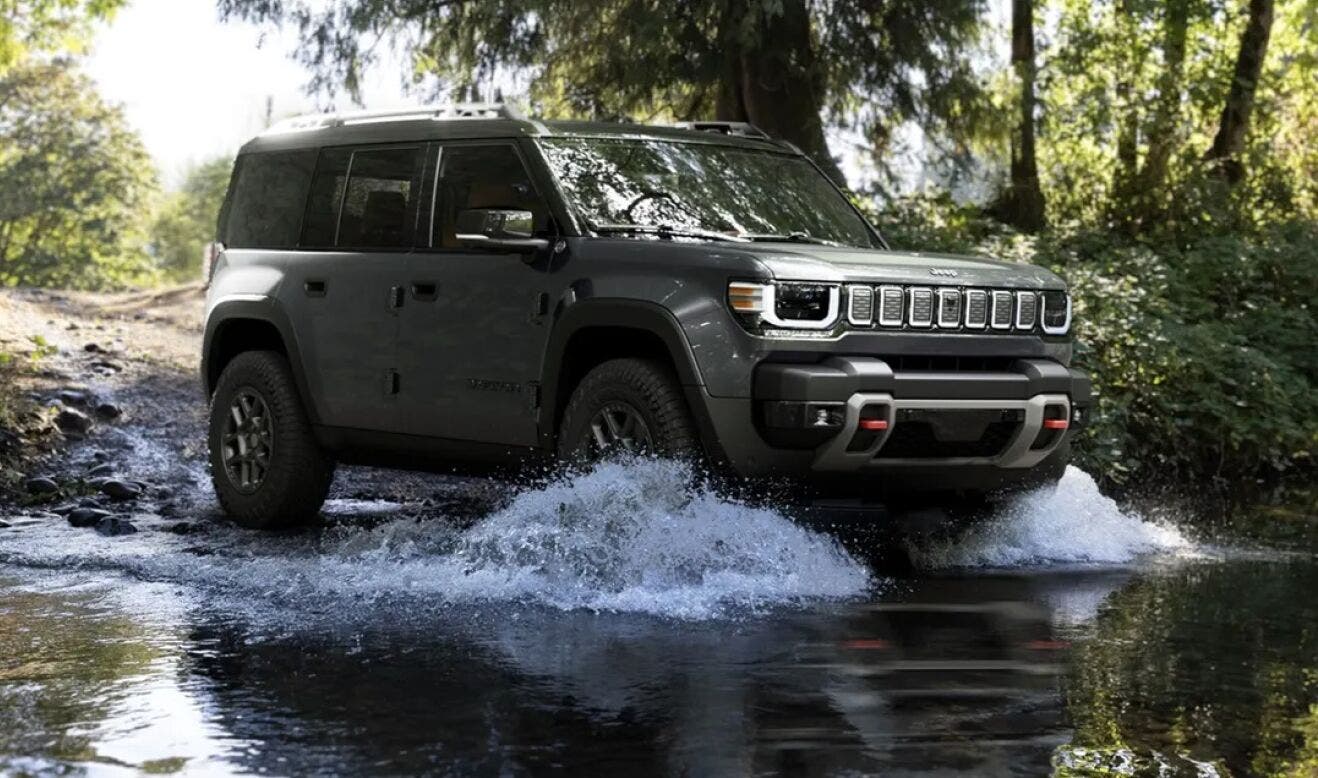
Taking an electric SUV off-road only to run out of juice in the middle of nowhere, leaving you stranded with a dead battery and two tons of dead weight, isn’t exactly the outdoor adventure pictured in the brochure. Stellantis put this exact nightmare in writing in a newly uncovered U.S. patent.
The filing flatly admits that most off-road trails lack charging infrastructure, adding that recovering a stranded electric vehicle in the wild is “very difficult” due to its sheer weight and mechanical complexity. That won’t be making it into the online configurator anytime soon.
To prevent wealthy adventurers from becoming permanent trail fixtures, FCA US, Stellantis’s North American arm, has devised a specialized off-road range prediction system. Before you even leave the pavement, the vehicle analyzes the upcoming trail’s distance, expected speeds, elevation changes, and steep grades. Then, it interrogates you. Are you planning to blast the air conditioning? Are you taking the roof off? Your answers immediately recalculate your range estimate before a single tire touches the dirt.
The real magic happens when the software cross-references the terrain with the vehicle’s own vitals. It aggregates battery state of charge, temperature, remaining capacity, electric motor heat, active 4WD or AWD modes, and even tire pressure, crucial when airing down for rocks. It factors in regenerative braking on steep descents and, most entertainingly, your personal driving style, including your “propensity for harsh accelerations”. If the math says you won’t survive the trail, the first warning triggers.
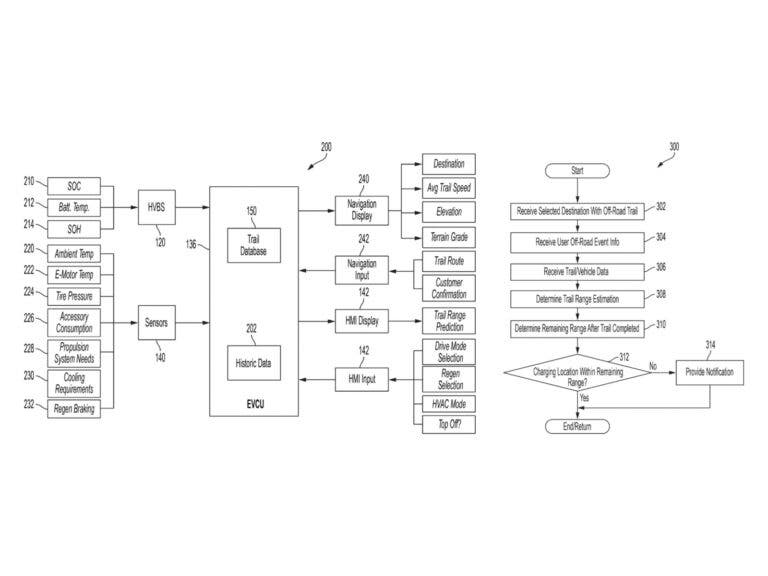
The cleverest twist, however, is the second verification check. The system calculates how much battery reserve will remain at the end of the trail and searches for a reachable charging station from that exit point.
Since point-to-point trails can dump you dozens of miles away from civilization, you can easily pass the first test and fail the second, a scenario the patent explicitly warns against. Even better, the trail database could leverage crowdsourced real-world energy consumption from other drivers who actually survived the route, rather than optimistic lab telemetry. The logic even scales to range-extenders and hydrogen fuel cells by converting fuel into equivalent watt-hours.
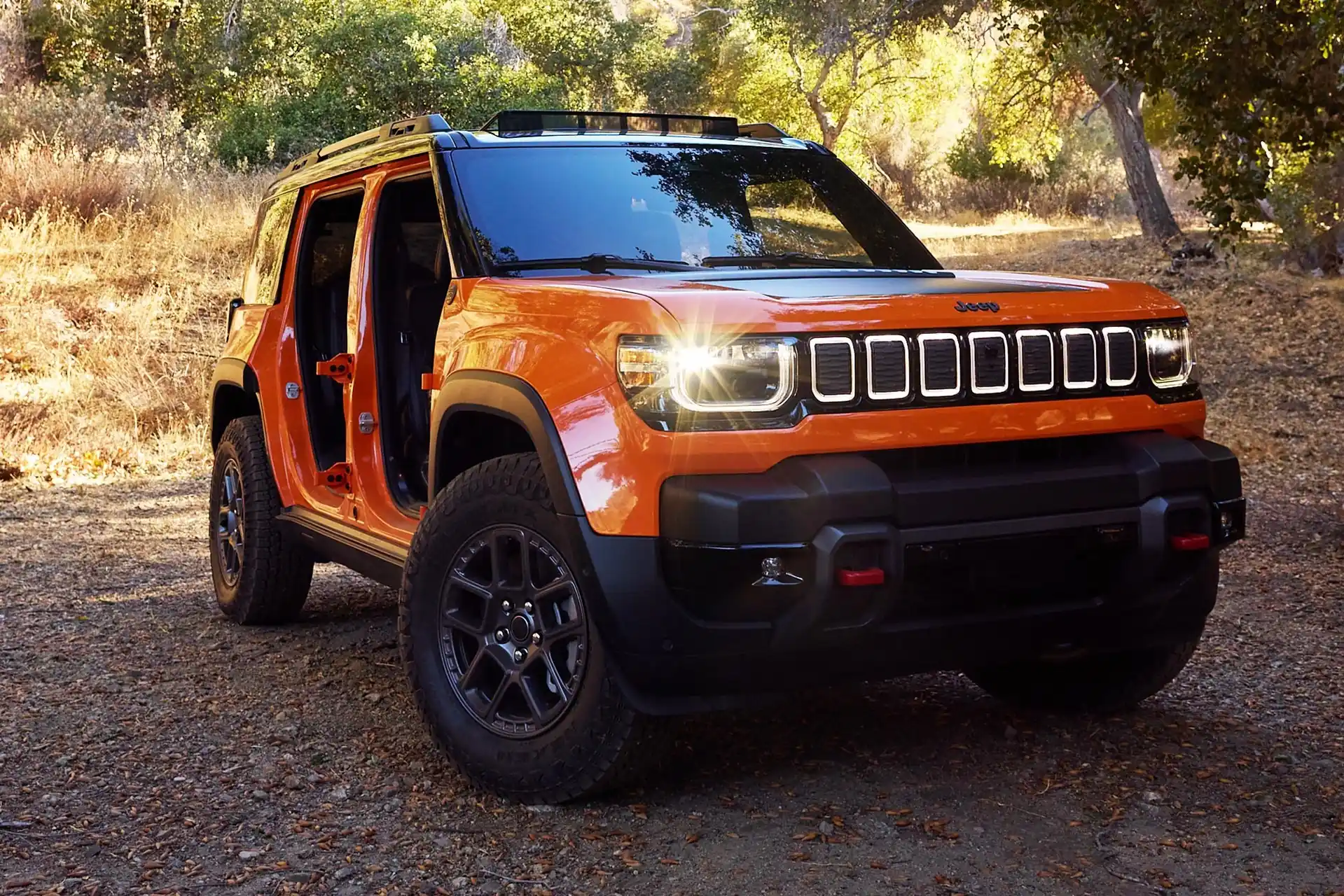
Consider the upcoming Jeep Recon Moab, which carries an estimated EPA range of roughly 224 miles that drops to about 161 miles at 75 mph on the highway. While it already packs integrated trail guides in Uconnect 5 and TomTom EV routing for paved roads, this patent finally bridges the gap—ensuring your electric Jeep knows your limits better than your ego does.