

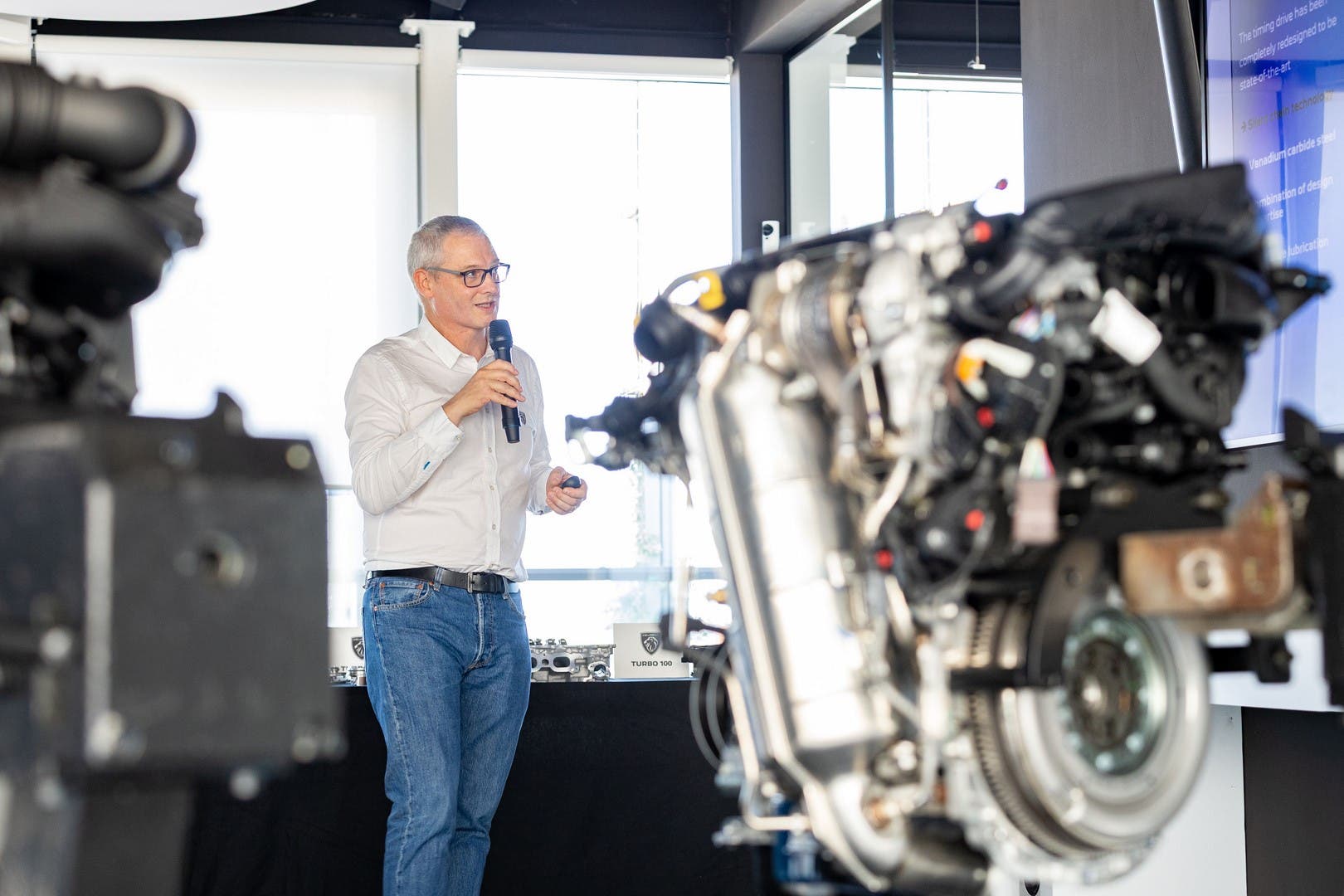
Normally, stricter European emissions rules mean automakers choke engines until they wheeze like an asthmatic lawnmower, yet Stellantis appears to be flipping that script with Euro 7. According to recent industry details, the automotive giant has quietly revised two versions of its 1.2-liter turbocharged three-cylinder engine, specifically the updated timing-chain variant, to actually deliver more horsepower.
In this unexpected regulatory plot twist, the standard gas model paired with a manual transmission jumps from 100 hp to 110 hp, while the 48-volt mild-hybrid powertrain ticks upward from 145 hp to 150 hp alongside its six-speed dual-clutch automatic transmission.
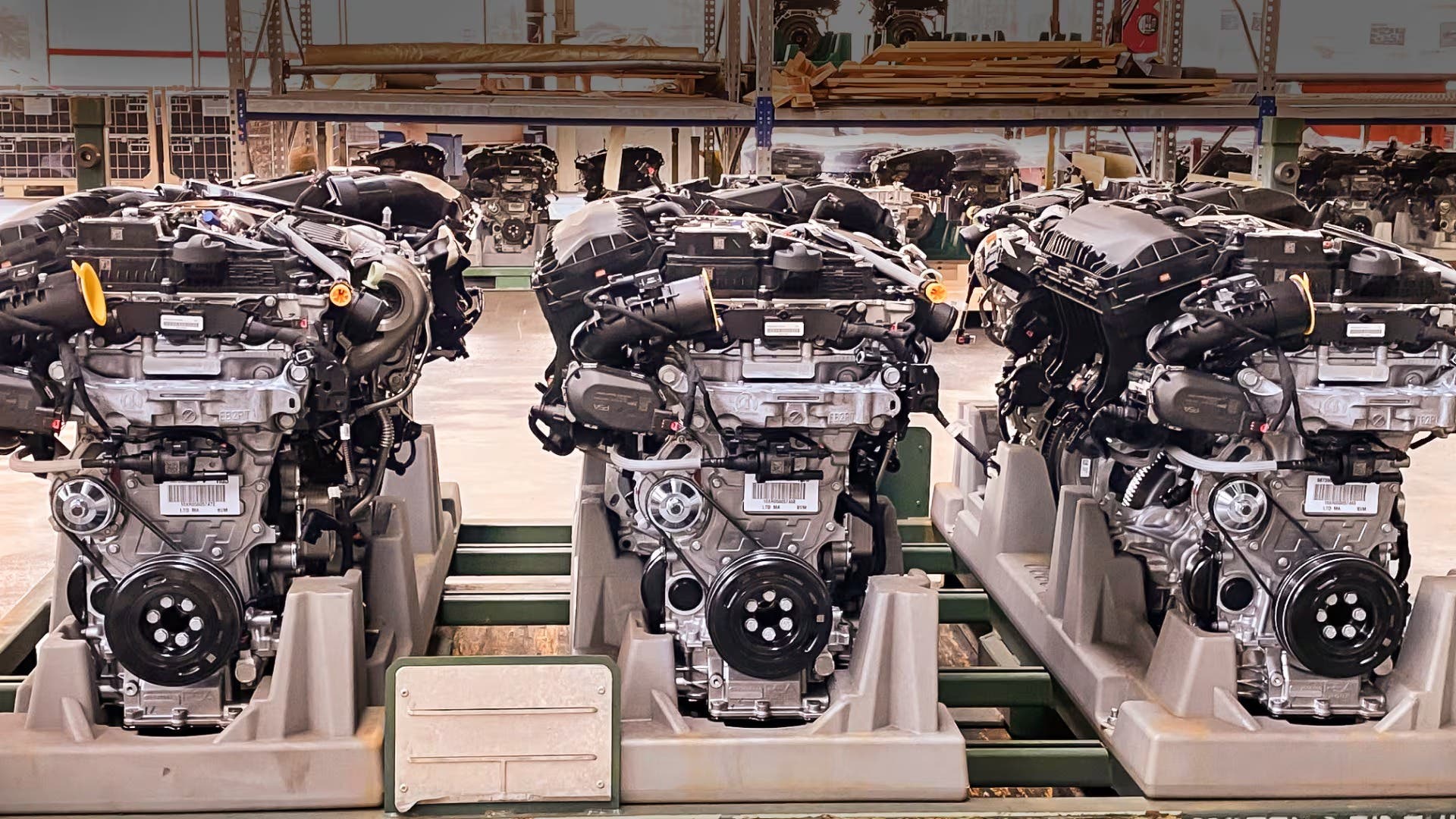
Putting these numbers into context makes the lineup reshuffle even more interesting. Take the Peugeot 208, which already uses the timing-chain 1.2-liter unit in its current 100-hp gas configuration while offering a separate 110-hp hybrid variant.
Under the updated Euro 7 strategy, the conventional manual-shift gas engine will match that 110-hp figure, giving traditional stick-shift enthusiasts a welcome extra kick without forcing them into electrification. Meanwhile, the top-tier mild-hybrid gets a five-horsepower nudge to hit 150 hp, keeping clear daylight between the two trims.
Production of these updated powerplants reportedly kicked off between late October and early November 2026. The first wave of compact vehicles slated to receive the upgraded engines includes the Lancia Ypsilon, Opel Corsa, Peugeot 208, and Peugeot 2008, with a gradual rollout planned across additional Stellantis models down the road.
For now, however, showroom paperwork is lagging behind the assembly line. Current commercial documents still reflect the older figures, Lancia continues to advertise the Ypsilon Turbo 100 at 100 hp, and Peugeot’s November price list for the 2008 still shows the 100-hp gas and 145-hp hybrid options. Official confirmation of exact arrival dates and updated spec sheets remains pending.
All of this aligns neatly with Europe’s two-step regulatory timeline. On November 29, 2026, Euro 7 standards officially take effect for all newly homologated passenger cars and light commercial vehicles, followed a year later on November 29, 2027, when the rules extend to all newly registered vehicles from existing type approvals. That gives automakers a twelve-month cushion to transition their lineups smoothly.