


Antonio Filosa expects Europe to approve new “Made in Europe” rules and greater flexibility on CO₂ targets in 2027. During Stellantis’ October 28 results presentation, the CEO linked both requests to the need for more balanced competition in the continent’s automotive market.
In Filosa’s view, the rules should reward companies that design and develop cars in Europe, use local factories and source components from European suppliers. The proposed approach would therefore focus on the activities carried out within the region rather than simply on the nationality of the brand.
Stellantis pushes for Made in Europe rules and more flexible CO₂ targets
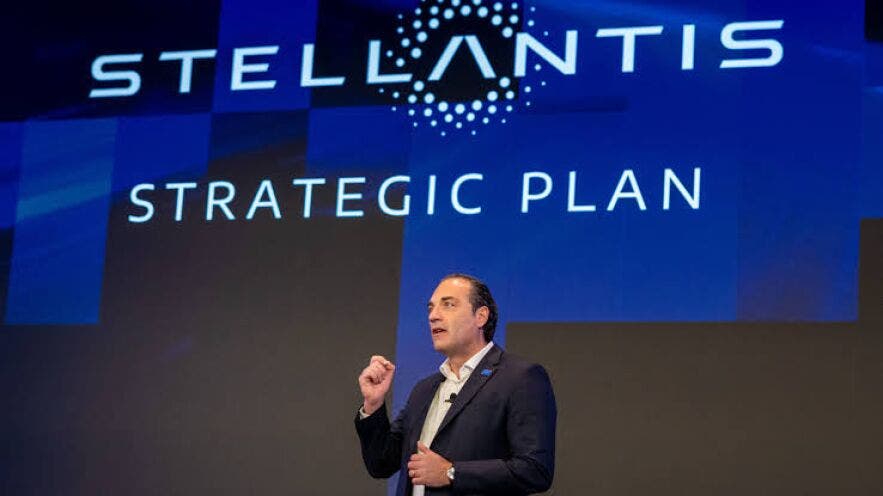
Filosa sees the agreement between France and Germany as a positive step toward moving the issue forward. Alongside preferential treatment for European production, he is calling for greater flexibility in emissions regulations for both passenger cars and light commercial vehicles.
On trade with China, the CEO welcomed Europe’s first step toward limiting imports of hybrids and plug-in hybrids. His comments echo a position he had already expressed at the Paris Motor Show, where he described the agreement as the beginning of a broader process that should eventually include a wider industrial support framework.
ACEA also backed the agreement announced on October 9, pointing to the speed at which Chinese brands have gained ground in Europe. According to the association, they accounted for 14% of the European hybrid market and 25% of the plug-in hybrid market in the first half of 2026, compared with 2% in both categories in 2024.
At the same time, Stellantis continues to implement the measures included in its FaSTLAne 2030 plan. Filosa reported progress on new products, partnerships and initiatives related to production and quality. The group is maintaining its 2026 financial targets, also counting on benefits already generated by the Value Creation Program.
By December, Stellantis aims to implement measures representing at least 40% of the €6 billion in annual efficiencies targeted once the program reaches full scale. The figure represents the recurring potential of those measures, with the benefits expected to build over time. Stellantis also continues to target a return to positive industrial free cash flow in 2027.