

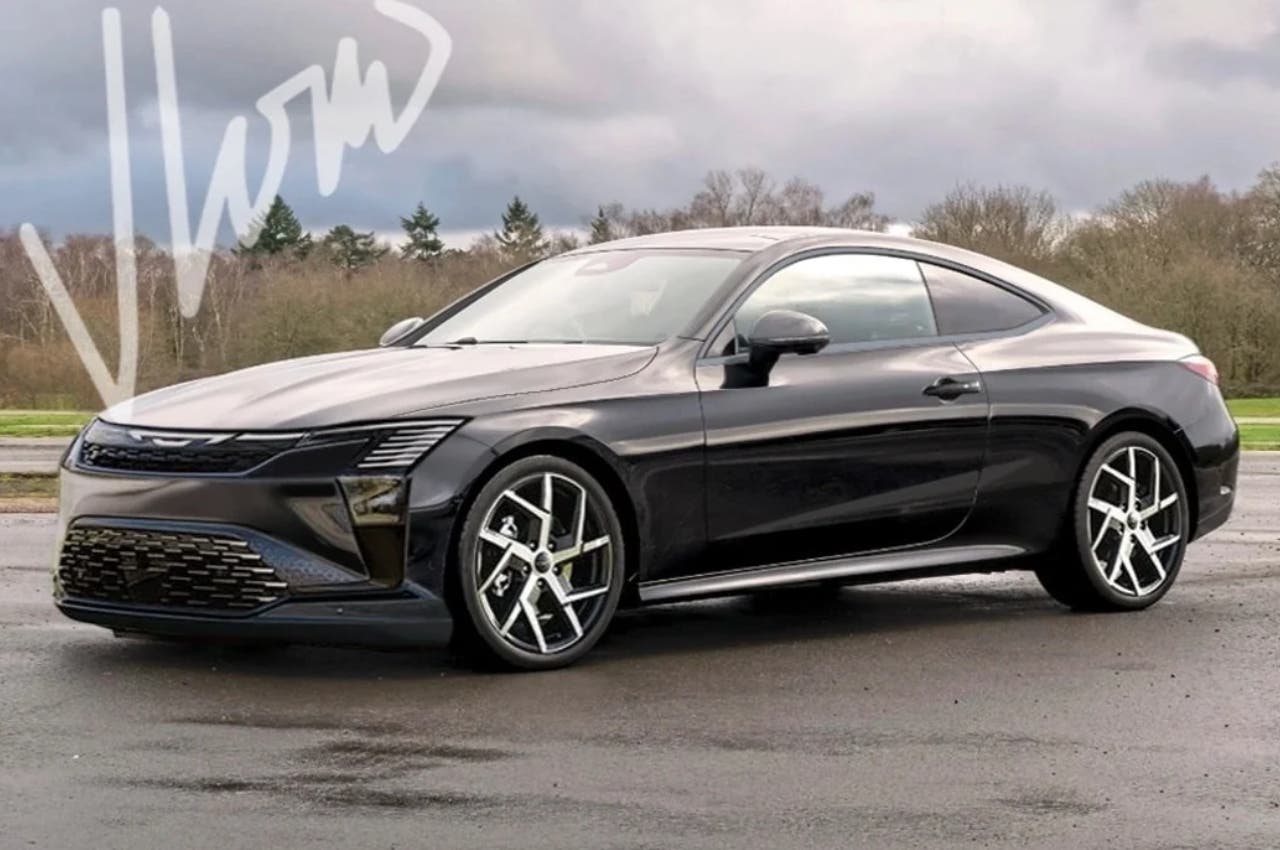
The Chrysler Sebring returns in these images as a two-door coupe, with classic proportions and a front end inspired by the 2027 Pacifica. The render created by jlord8 looks back to the first body style Chrysler used for the Sebring name in 1995. At the time, the coupe came from a partnership with Mitsubishi. For this reinterpretation, the designer looked to Chrysler’s current lineup for stylistic inspiration.
The most recognizable element is the front end of the updated Pacifica, where Chrysler introduced a horizontal light signature that runs across the grille and reaches the winged badge. Jlord8 adapts that design to a lower car with two doors and a coupe roofline. The connection to the minivan concerns the styling of the nose, which serves as the main link between this imagined Sebring and the brand’s current models.
A new Chrysler Sebring Coupe takes shape in a render inspired by the Pacifica
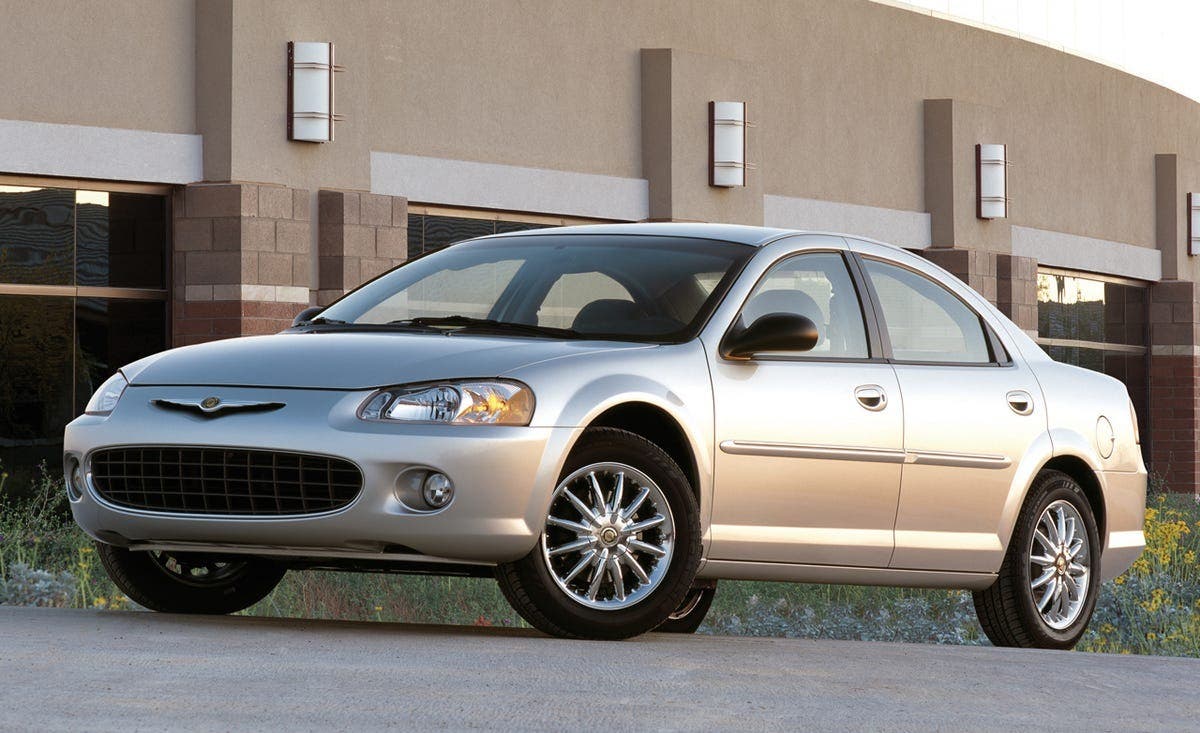
The first Sebring Coupe arrived in April 1995 on a Mitsubishi platform shared with models such as the Eclipse and Dodge Avenger. Both generations of the two-door model came out of Mitsubishi’s plant in Normal, Illinois. The second generation, introduced for the 2001 model year, offered a 2.4-liter four-cylinder and a 3.0-liter V6, two engines that placed the Sebring in the midsize coupe segment.
In 1996, Chrysler reused the Sebring name for the convertible that replaced the LeBaron. Later, the sedan joined the range as well, so the same name ended up identifying cars with different technical origins. The coupe left the market after the 2005 model year, five years before Chrysler replaced the Sebring sedan with the 200.
Stellantis’ FaSTLAne 2030 plan calls for three crossovers to join the Pacifica. The largest is the Airflow, a midsize model based on the STLA One platform. Below it will sit the Arrow and Arrow Cross, two variants developed from an architecture shared with the group’s European models. For Chrysler, these projects represent the brand’s path back into price segments that its North American lineup no longer covers.
A modern Sebring could theoretically use the STLA Medium platform and a 3.0-liter twin-turbo Hurricane six-cylinder with around 300 hp, equal to 304 metric horsepower. These remain only hypotheses aimed at placing the coupe below the Dodge Charger in the performance hierarchy. Jlord8’s work focuses on the body style, while the plan Stellantis has presented points only to the three crossovers as the brand’s next arrivals.