

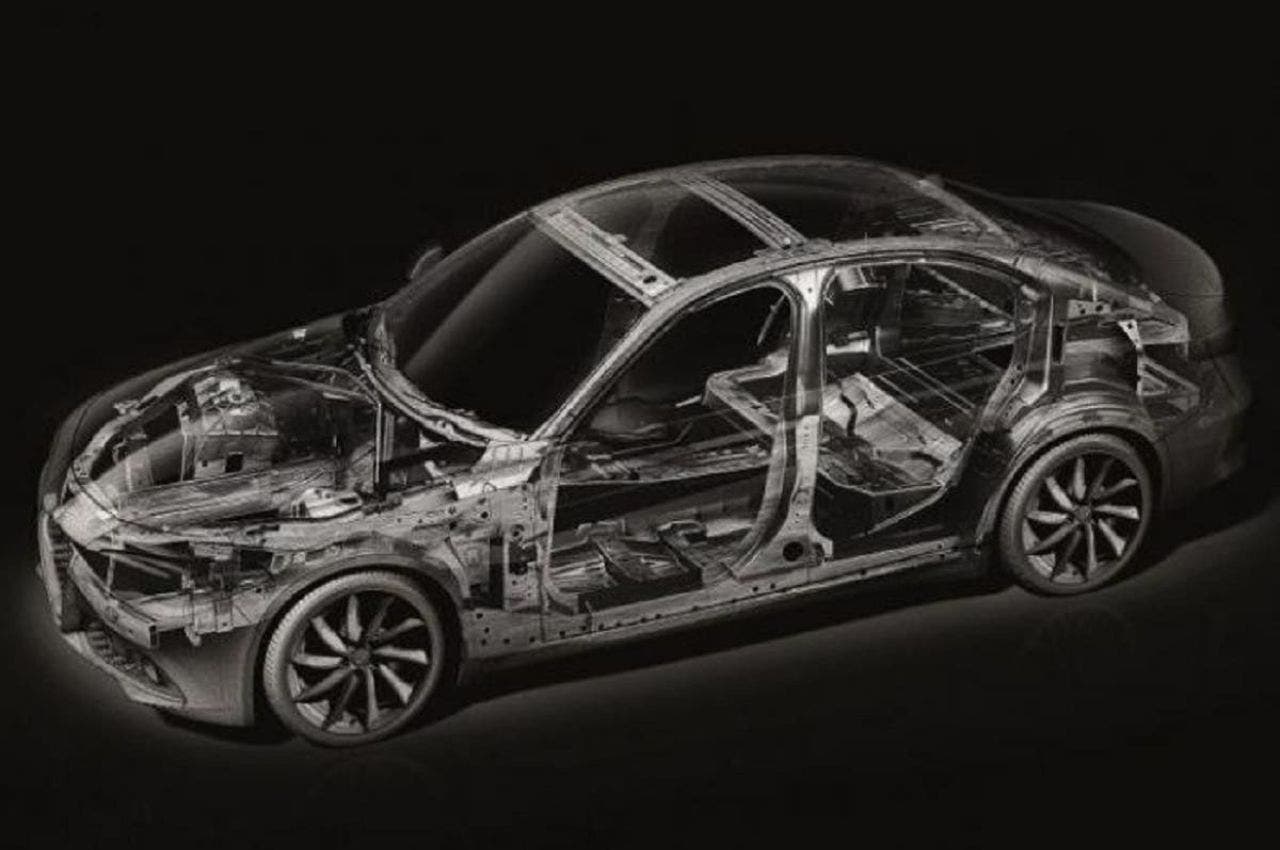
The next Alfa Romeo Giulia and Stelvio could use an evolution of the Giorgio platform, bringing back the technical basis of the current models after the brand revised plans that had initially focused on electric power. Santo Ficili has reiterated that Alfa Romeo is studying this possibility, leaving the architecture for both successors undecided.
Alfa Romeo studies evolved Giorgio architecture for future Giulia and Stelvio
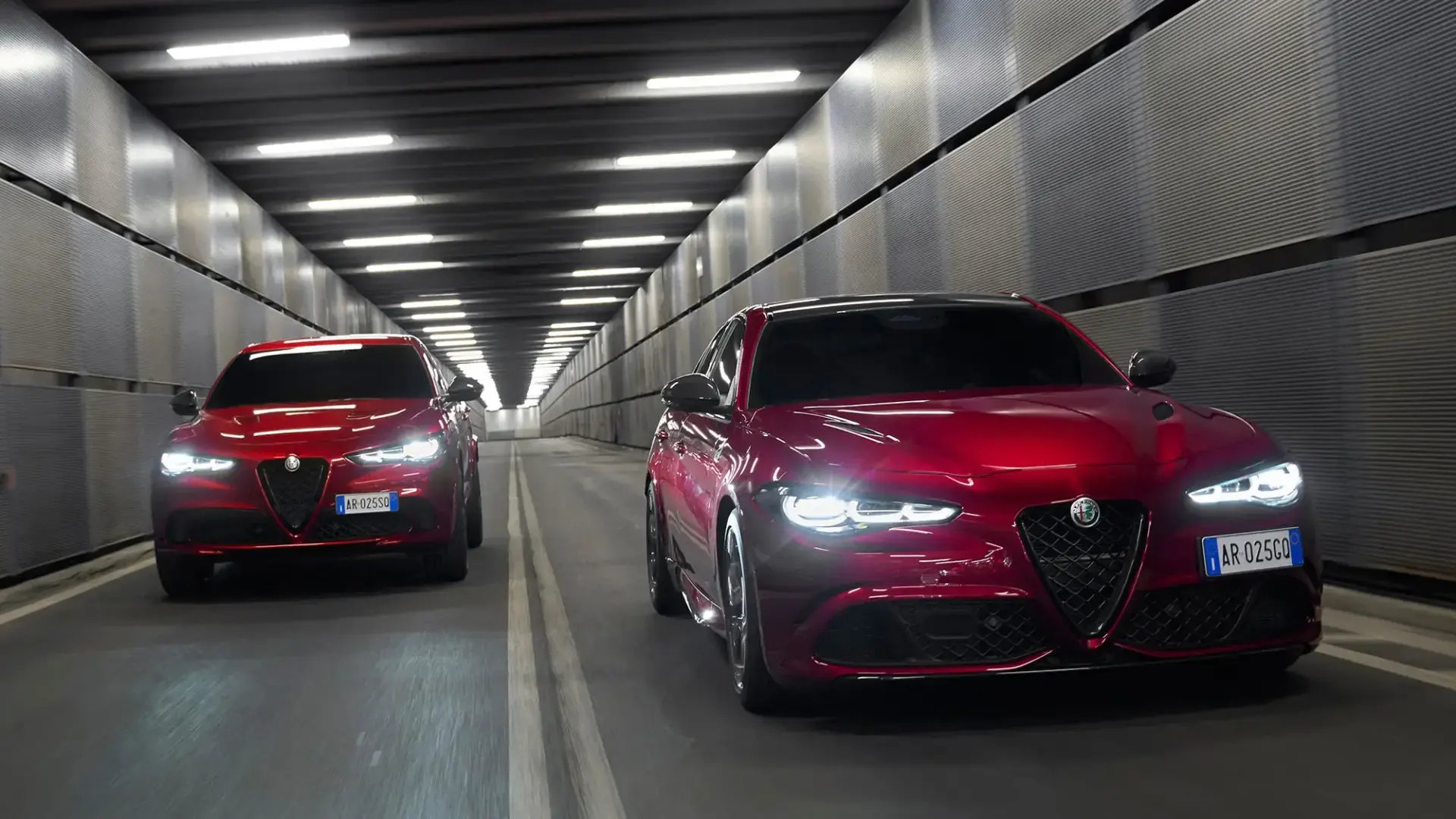
The current Giulia and Stelvio will remain in production until the end of 2027. Alfa Romeo will begin renewing the lineup earlier in the C segment, with the SUV that will replace the Tonale arriving at the beginning of 2028 and a compact model internally known as Giulietta, although the final production name still needs to be chosen.
For Giulia and Stelvio, the evaluation also concerns what type of cars Alfa Romeo wants to offer and which customers it wants to target. The original new-generation projects centered on a transition to electric power, but that strategy later required a complete rethink, bringing multiple powertrain options back into consideration.
The Giorgio architecture has meanwhile continued its life through the Maserati Grecale. Although the SUV shares its roots with the Stelvio, Maserati adapts the platform to different proportions and cabin packaging. That technical connection therefore shows how the same architecture can support vehicles with distinct characteristics through changes to component layout and chassis tuning.
Ficili explained that the Cuorerosso concept presented in Paris uses an extended version of the Giorgio architecture found under the Giulia and Stelvio. Alfa Romeo therefore chose a familiar technical base for the prototype that previews the styling direction of its future models.
The Alfa Romeo CEO wants the brand’s cars to retain a recognizable driving character, with specific steering and suspension tuning as well as wheels and brakes selected to suit each model. Inside, the instruments should face the driver and the controls should remain easy to reach, while still preserving passenger comfort.
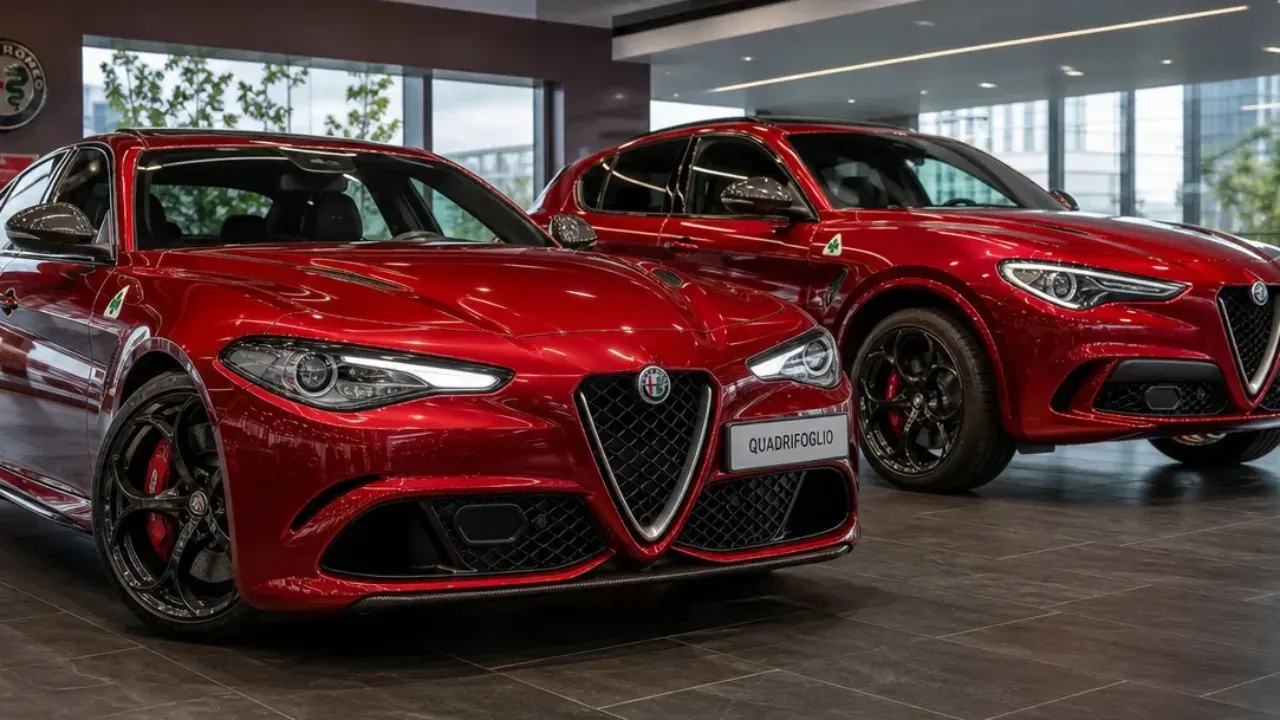
The current Giulia and Stelvio will stay in production until the end of 2027, including the Quadrifoglio versions, for which Ficili has announced further updates. Alfa Romeo intends to keep the mechanical setup of its highest-performance models for as long as regulations and market conditions allow.