

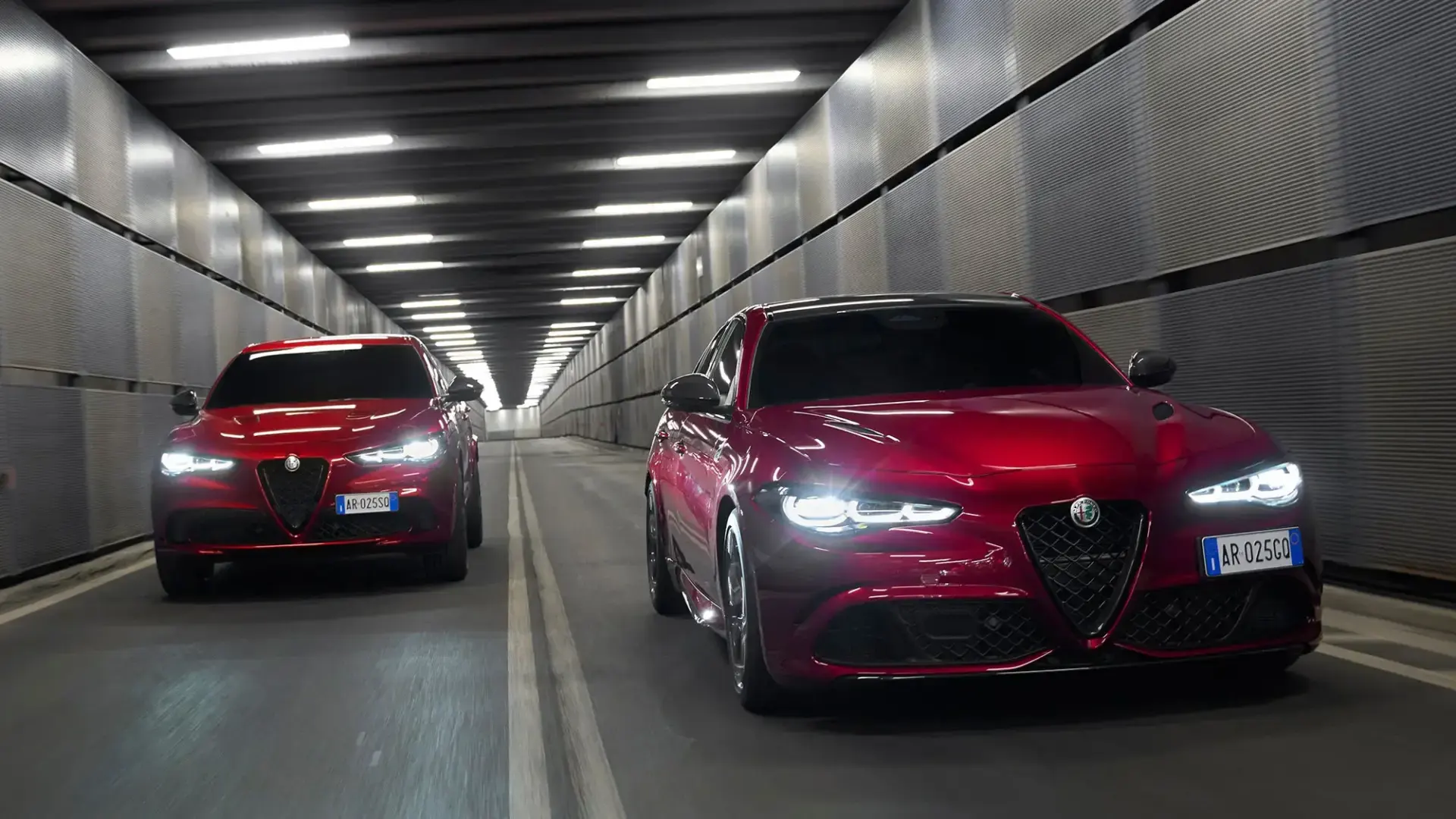
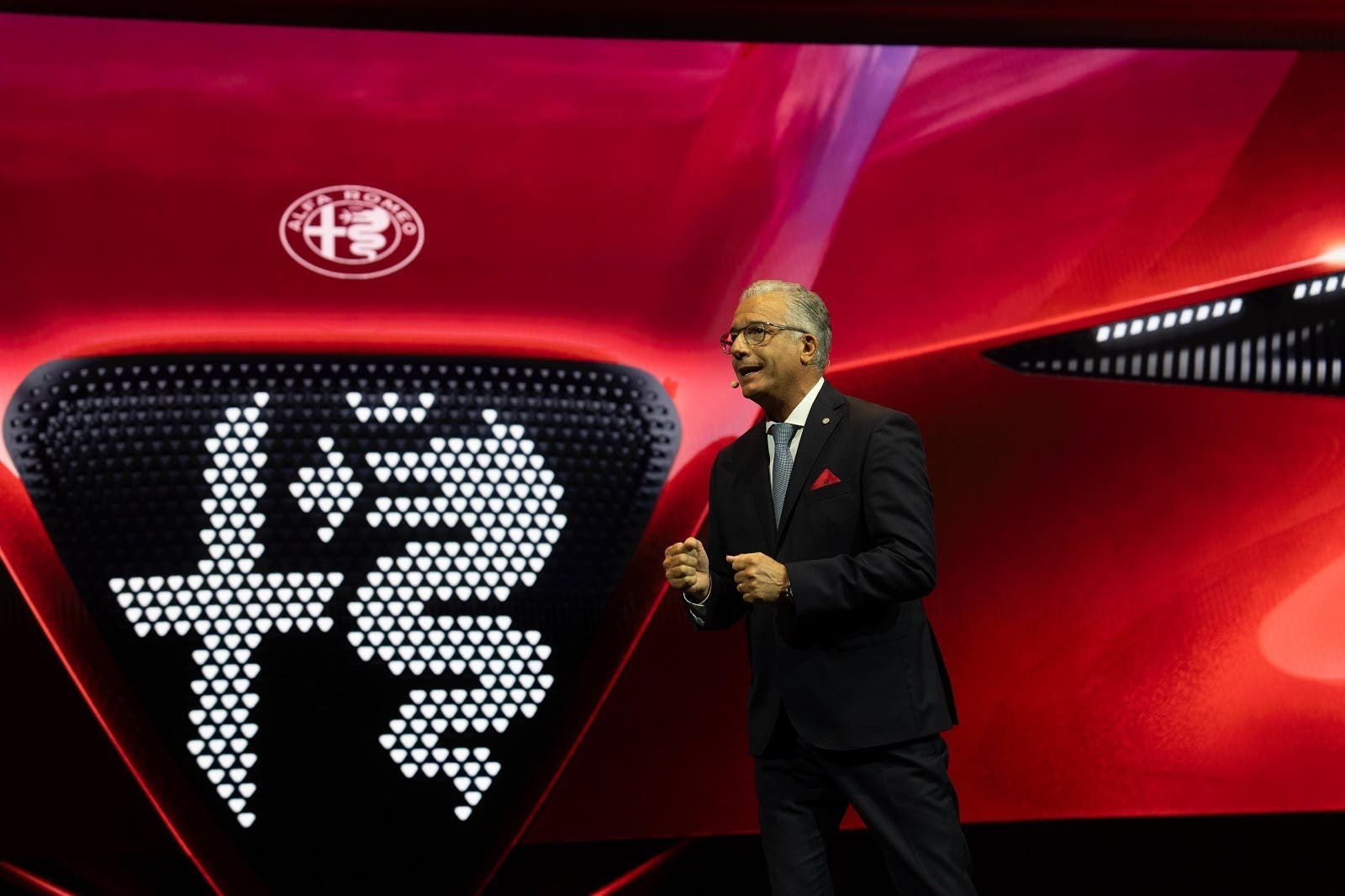
Alfa Romeo is still deciding how to replace the Giulia and Stelvio, and the next generations of both models remain under evaluation rather than active development. Santo Ficili clarified the situation in an interview with Motor1 during the Cuorerosso presentation, pointing instead to the new compact SUV arriving in early 2028 and the future Giulietta successor as the projects the brand is currently working on.
Alfa Romeo is still deciding what comes after Giulia and Stelvio
The current sedan and SUV will therefore remain in production at least through the end of 2027, but Alfa Romeo does not plan to immediately replace them with two direct successors. Keeping them in the lineup gives the company time to reconsider its strategy for the segment. Ficili leaves several possibilities open and says the final decision will depend on customer demand and whether Alfa Romeo can justify the necessary investment.
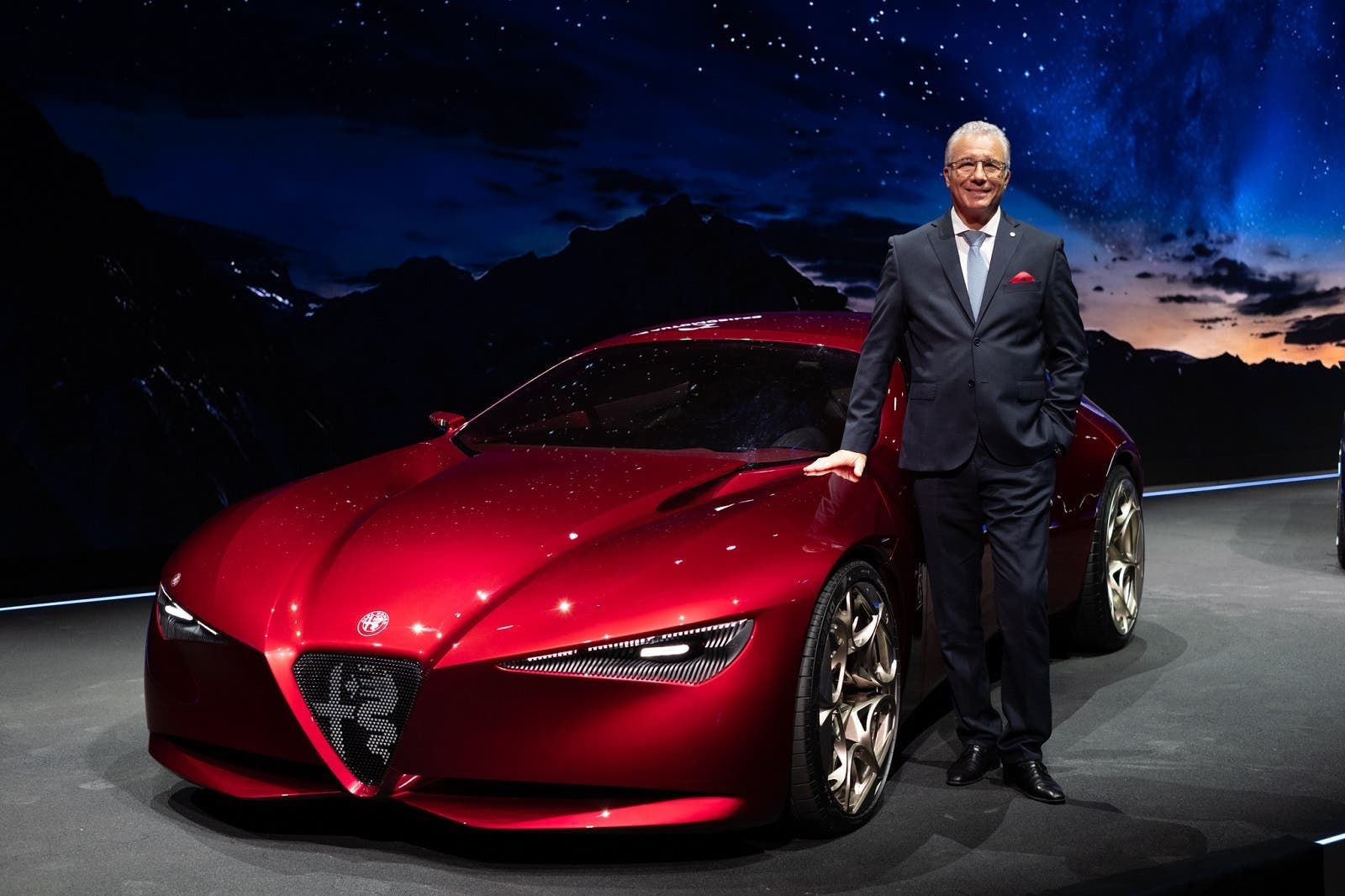
The upcoming SUV will sit between the C and D segments, although Alfa Romeo still needs to finalize its exact dimensions and specifications. Ficili promises the driving experience and interior will retain a clear Alfa Romeo character, while the styling will incorporate elements introduced by the Cuorerosso concept. The company also continues to evaluate different powertrain options as part of its multi-energy strategy.
After the SUV, Alfa Romeo plans to introduce a model that will take the place once occupied by the Giulietta. Ficili describes it as a different type of compact car rather than a traditional hatchback. Battery packaging and growing customer preference for a higher seating position will influence its proportions.
Alfa Romeo wants to position the model somewhere between a conventional compact and a C-segment SUV while still giving it a body style distinct from a traditional sport utility vehicle.
The abandoned Giulia and Stelvio programs followed a very different strategy. Alfa Romeo had planned their next generations around fully electric powertrains, in line with its previous goal of moving the entire lineup toward battery power. Customer demand continued to favor other types of propulsion, however, forcing the company to reconsider two projects that had already reached an advanced stage. Spy photos of the Stelvio during testing had shown how far development had progressed.
Alfa Romeo consequently moved away from the plan to launch the two models exclusively as EVs and put those projects on hold.
During this transition, the brand will rely on the Junior and its upcoming compact models to support sales. Ficili highlighted the Junior’s strong performance in Mexico as one example of how the B-SUV can reach customers beyond Europe. The new SUV and Giulietta successor will then broaden the lineup while adopting styling cues from Cuorerosso.
The future of the Giulia and Stelvio, however, still requires a much more careful decision. Alfa Romeo must determine what vehicles should eventually take their place and whether expected sales can support the investment required to develop them.
Ficili has not ruled out any option, but his comments indicate that Alfa Romeo first needs to define a financially sustainable program before it can establish a new development and launch schedule.