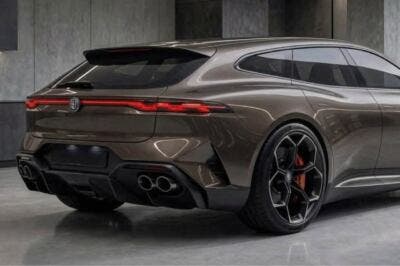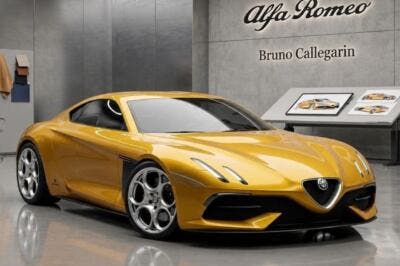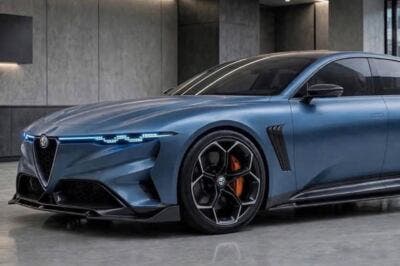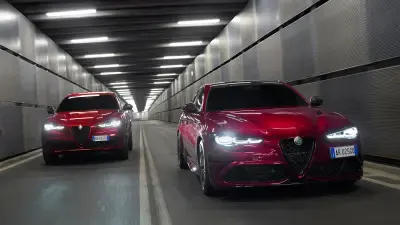
Alfa Romeo could eventually replace the Giulia and Stelvio with a single model, an idea already raised by the automotive press that has a precedent within Stellantis in the new Dodge Charger. Dodge brought the successors to the previous Charger and Challenger under one name, offering a four-door version to fill the former Charger’s role and a two-door version in place of the Challenger. Alfa Romeo could follow a similar strategy to reorganize its lineup, although Stellantis has not announced any decision to do so.
Alfa Romeo could merge Giulia and Stelvio into one future model
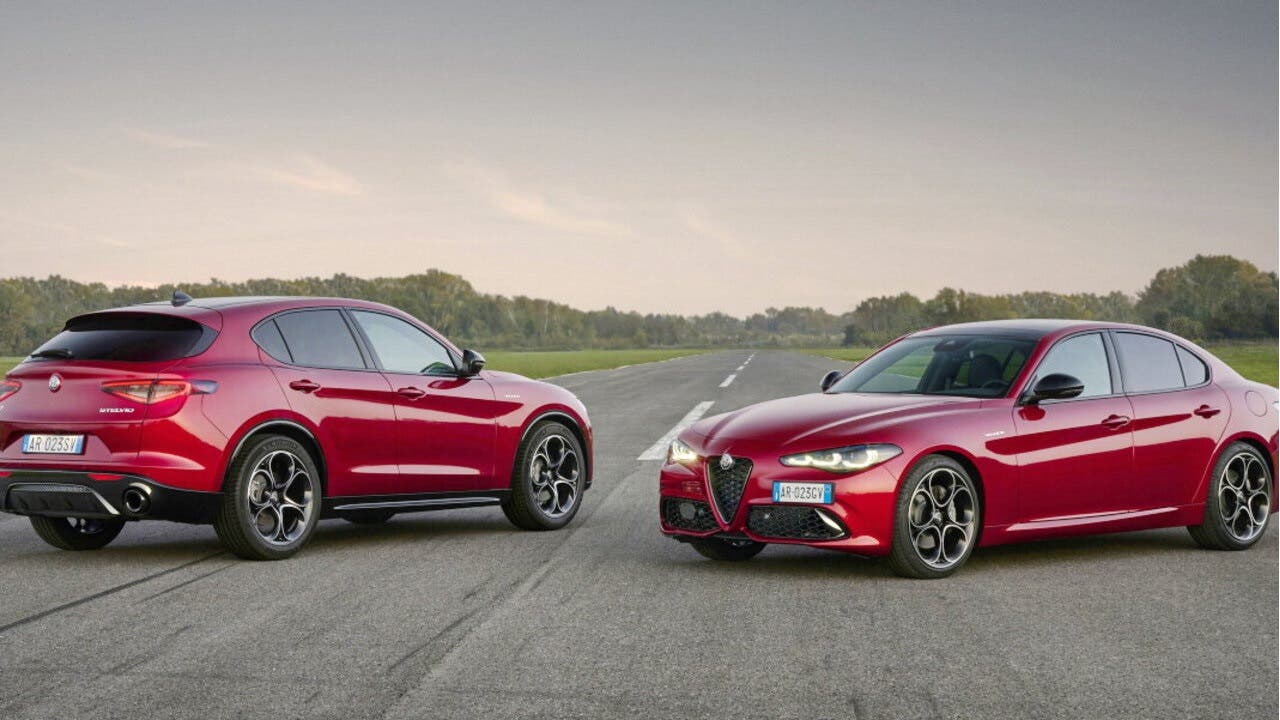
Carscoops raised the possibility on July 15, after noting that an Alfa Romeo future-product presentation showed only one D-segment program still under study. The publication asked Stellantis for clarification, and the company confirmed that it continues to work on the future evolution of the Giulia and Stelvio without specifying how many separate successors it plans. An official statement from May 25 also confirmed that Alfa Romeo intends to introduce hybrid and electric powertrains progressively.
Dodge built the new Charger family on the STLA Large platform and offers it with both two- and four-door bodies. The two-door model effectively takes over the role previously occupied by the Challenger, while the four-door version continues the tradition of the old Charger. Electric Daytona models sit alongside gasoline-powered SIXPACK versions, which use the 3.0-liter twin-turbo Hurricane inline-six.
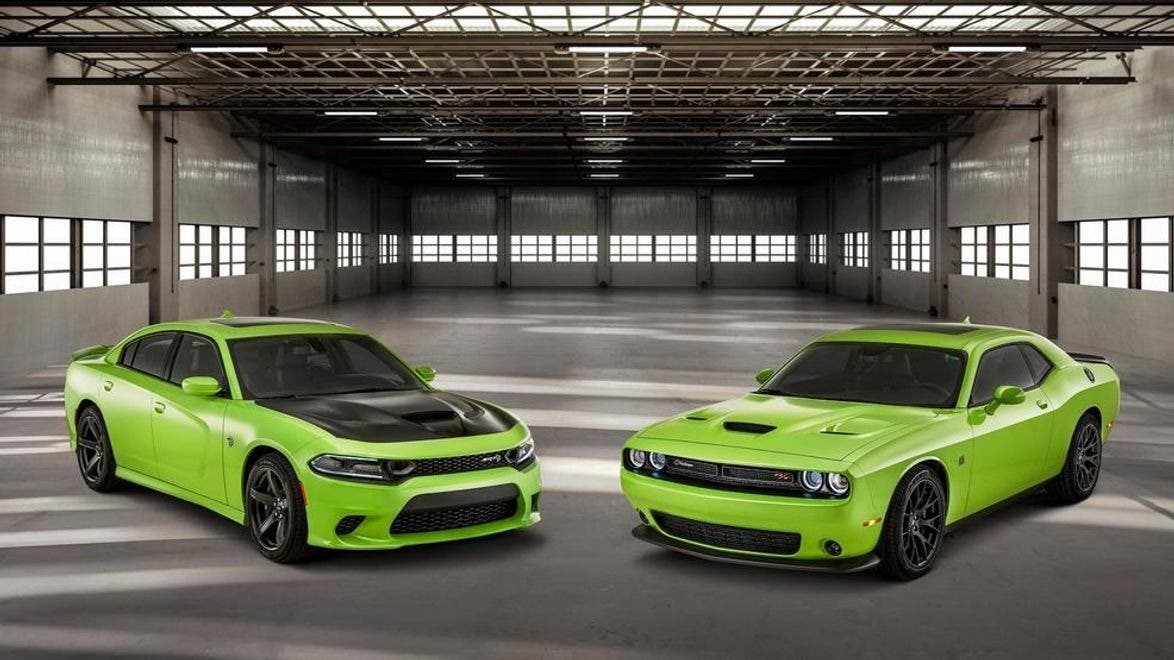
The two outgoing muscle cars carried considerable commercial weight. In 2023, their final production year, Dodge sold 75,920 Chargers and 44,960 Challengers in the United States, for a combined 120,880 vehicles. The new electric Charger Daytona, by comparison, finished 2025 with just 7,421 sales, while the first half of 2026 brought only 534 units, down 88% from 4,299 during the same period in 2025.
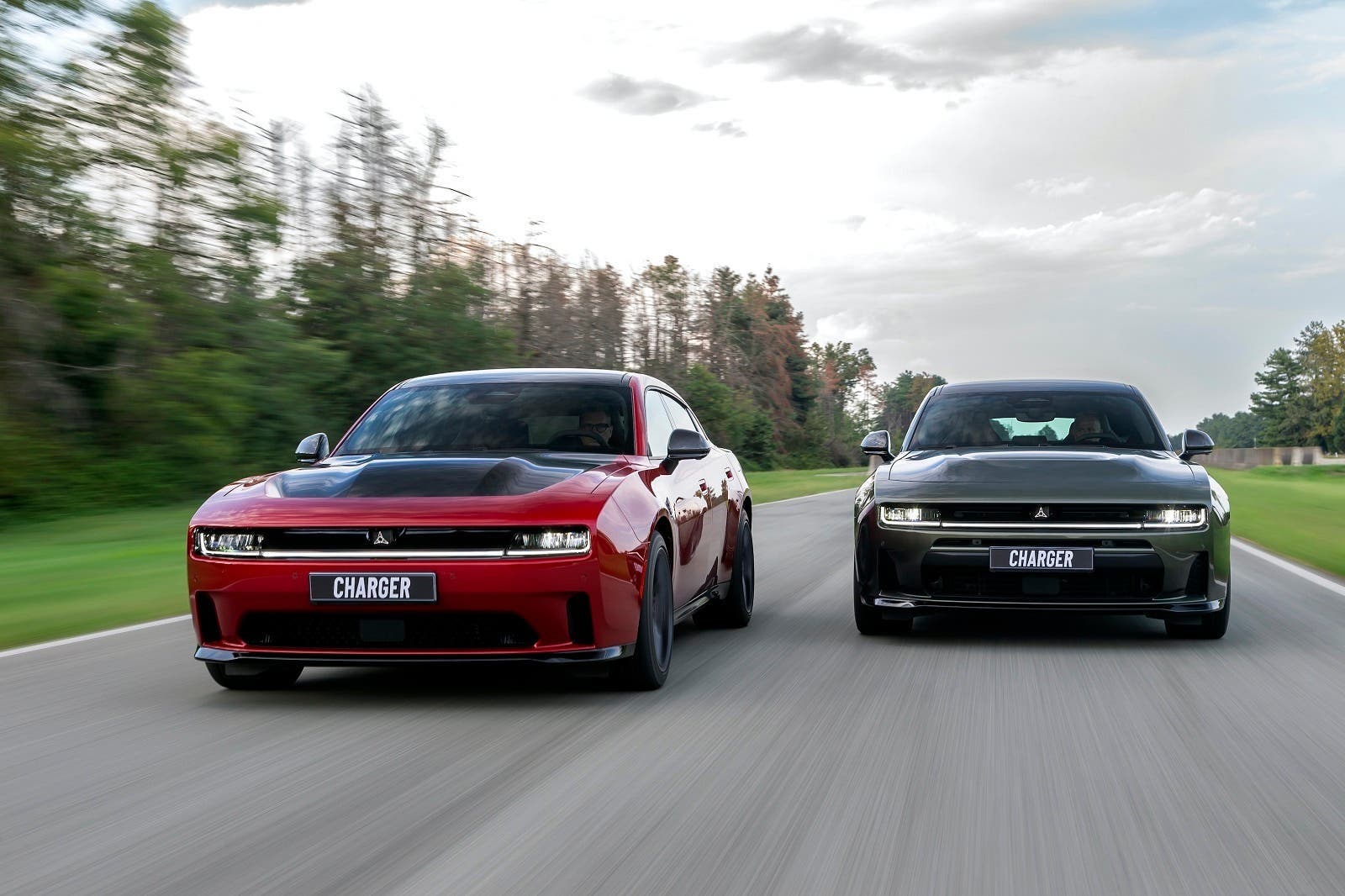
The gasoline Charger reached 4,583 units during the same six-month period, although the official sales report does not separate the new SIXPACK from any remaining previous-generation inventory. The gradual rollout of the new lineup therefore complicates direct comparisons, and the sales gap cannot be blamed solely on Dodge’s decision to consolidate two nameplates into one family. Even so, the figures show how difficult it can be to win back the combined audience of two discontinued models.
Giulia and Stelvio already share the Giorgio architecture, so using one technical foundation would hardly represent a new idea for Alfa Romeo. Bringing them together under one model family with different body styles would move the brand closer to Dodge’s approach.
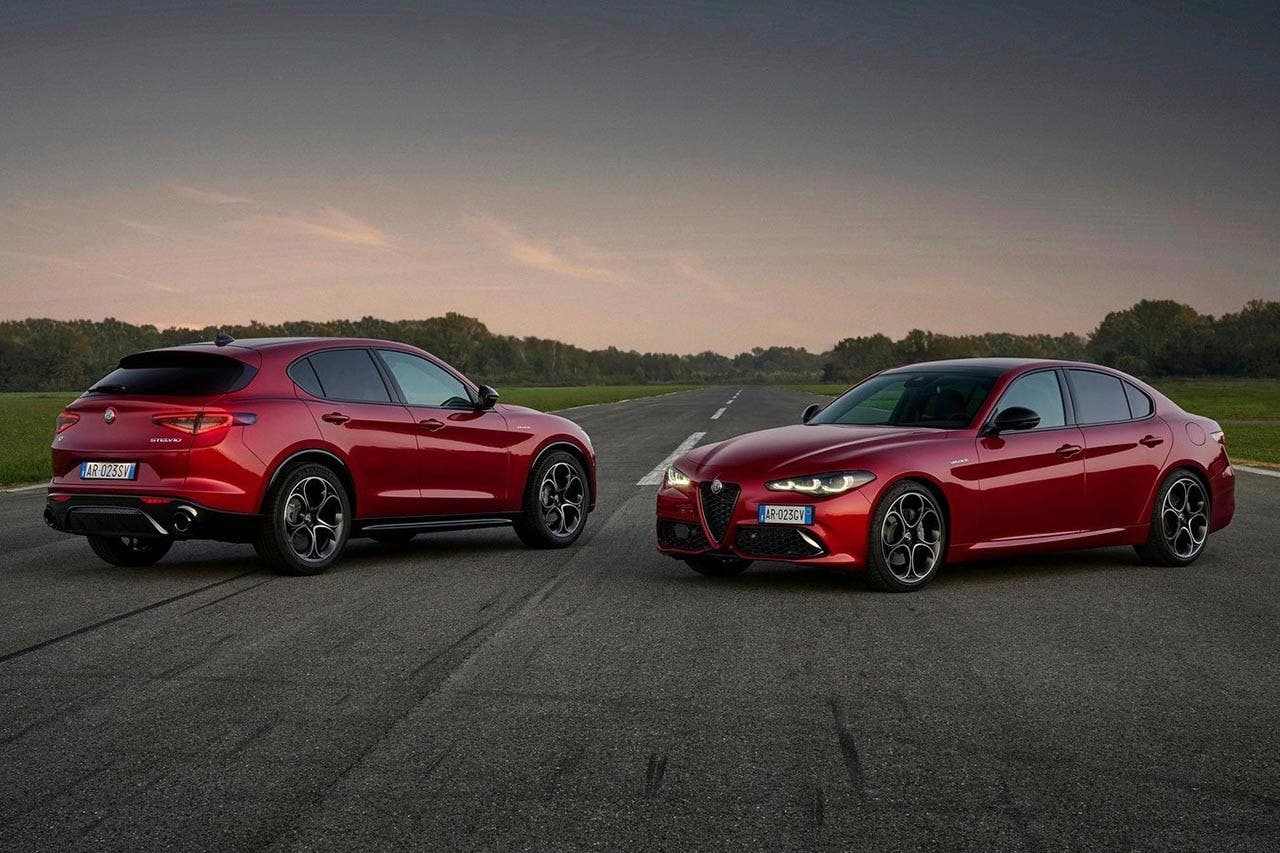
A single raised fastback, however, would represent a much deeper change. Such a vehicle would need to appeal both to customers who value the driving position and proportions of a sedan and to buyers who prefer the space and higher seating position of an SUV. Trying to satisfy both groups with one body style could risk losing customers from each side.
The current Giulia and Stelvio will remain in production through 2027, including the Quadrifoglio versions. Alfa Romeo still needs to explain what form their successors will take, while Dodge’s experience shows that simplifying a lineup does not automatically preserve the sales volumes of the models it replaces.