

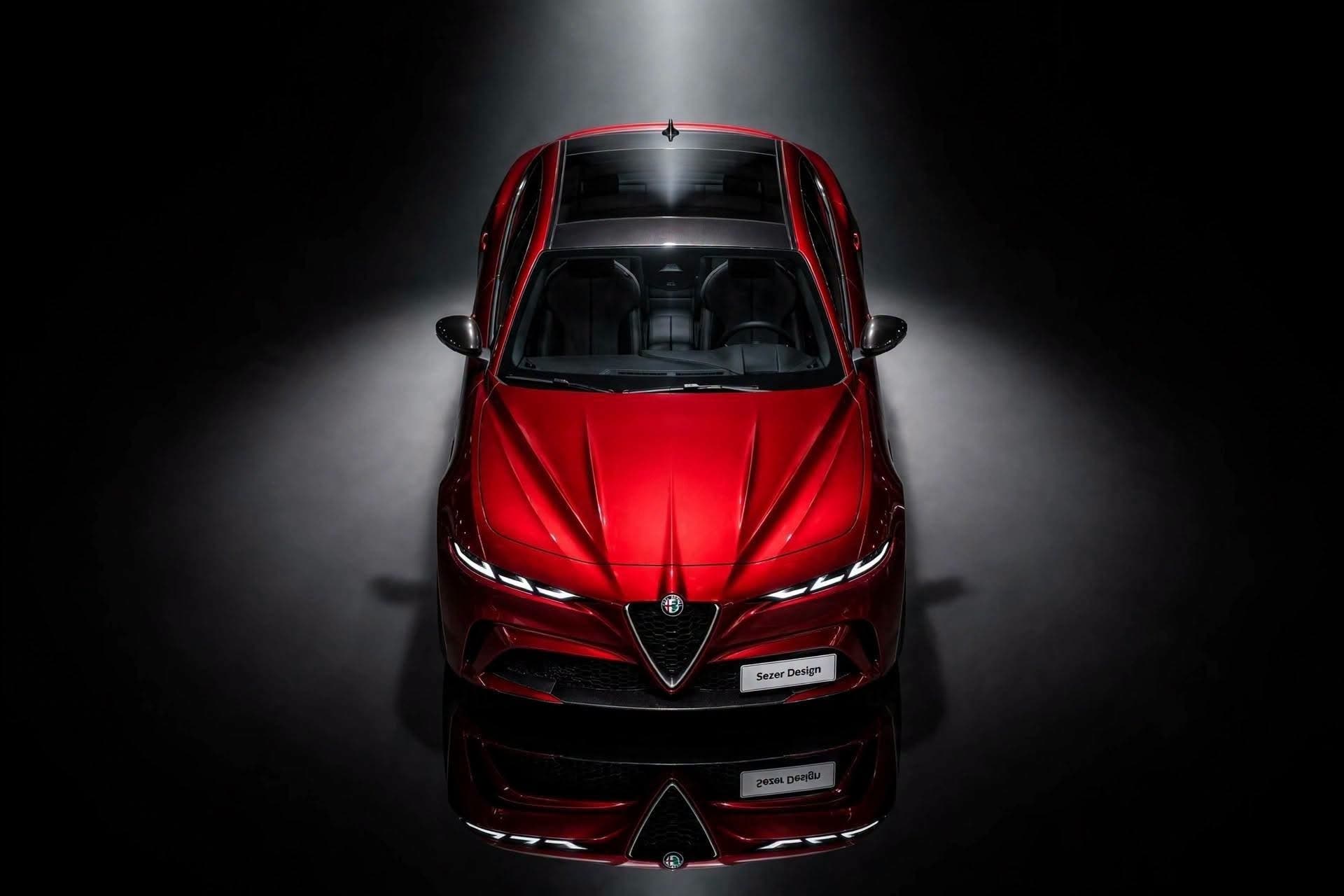
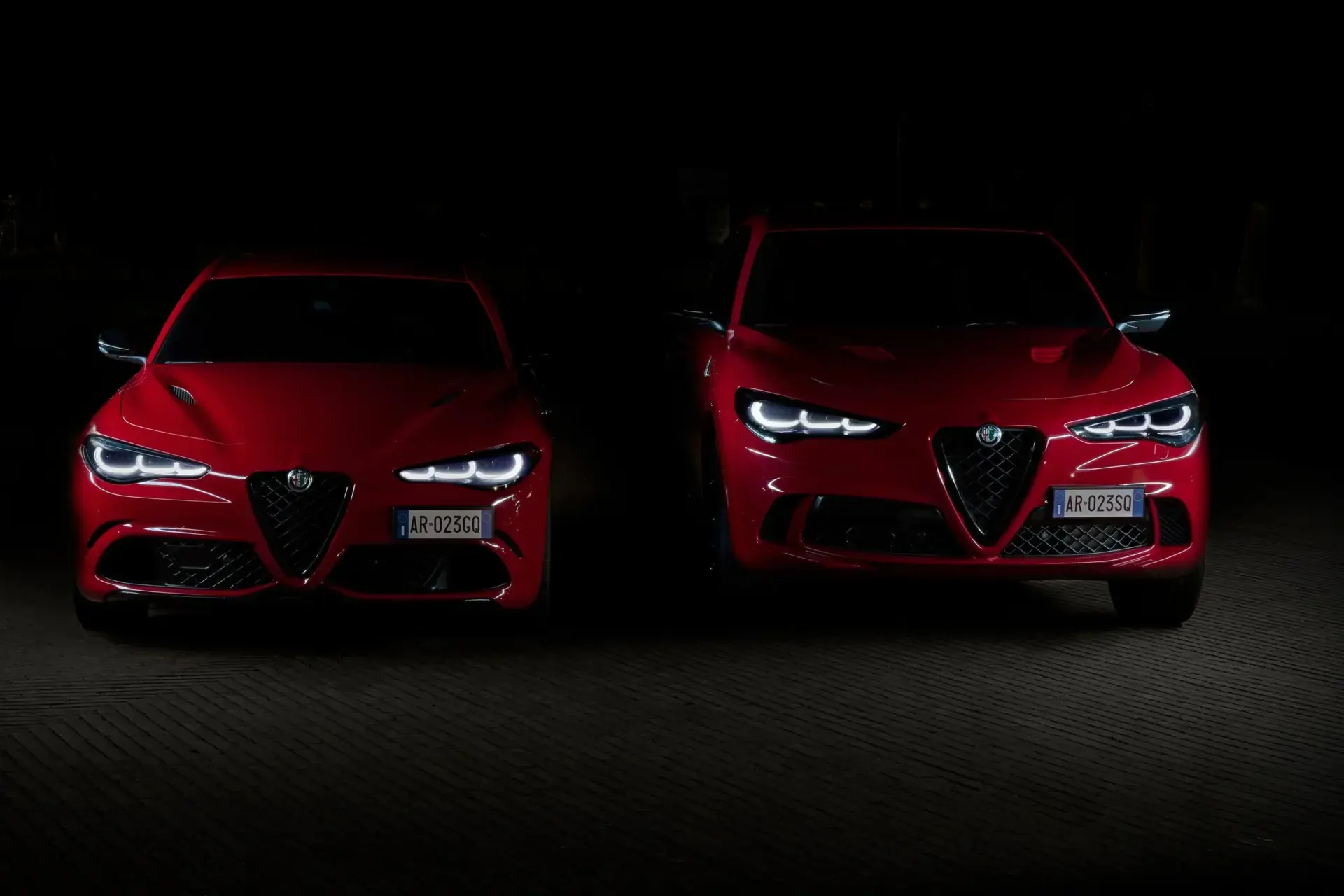
The Giulia gave Alfa Romeo a true alternative to the BMW 3 Series, including for buyers who wanted a sedan they could use every day. The Quadrifoglio sat at the top of the range, but the low driving position, precise steering and rear-wheel-drive layout helped define the Giulia even in its four-cylinder versions. That is the kind of car Alfa Romeo could lose if it decides to replace both the Giulia and Stelvio with a single, taller model.
Can Alfa Romeo replace Giulia and Stelvio with one model without losing the Giulia’s character?
Santo Ficili has said Alfa Romeo has shelved the previous replacement program, which centered on an all-electric architecture, and will keep the current Giulia and Stelvio in production through the end of 2027. Stellantis has also confirmed that the brand is reassessing how to remain in the D segment with multiple powertrains, including hybrid and electric options. One possibility discussed in recent reports involves a single vehicle positioned somewhere between a sedan and a crossover. Alfa Romeo has yet to settle on the body style or decide whether Giulia and Stelvio will ultimately receive separate successors.
From an industrial standpoint, developing one model would allow Alfa Romeo to concentrate investment while also appealing to customers who prefer a slightly higher seating position. The bigger question is where that vehicle would fit within the rest of the lineup. The Melfi-built SUV that will replace the Tonale should arrive in early 2028, with styling influenced by the Cuorerosso concept. Ficili has positioned it at the upper end of the C segment, close to D-segment SUVs. A second raised model, even if larger, could end up targeting some of the same customers.
The Junior will remain Alfa Romeo’s entry point, while the compact model Ficili refers to as Giulietta will follow the Melfi SUV. Its proportions will also differ from past Alfa hatchbacks because battery packaging in the floor may require a slightly taller body. Among those products, a proper sports sedan could give Alfa Romeo something clearly different for buyers who still want a low seating position and the kind of handling character that made the Giulia appealing as an everyday car.
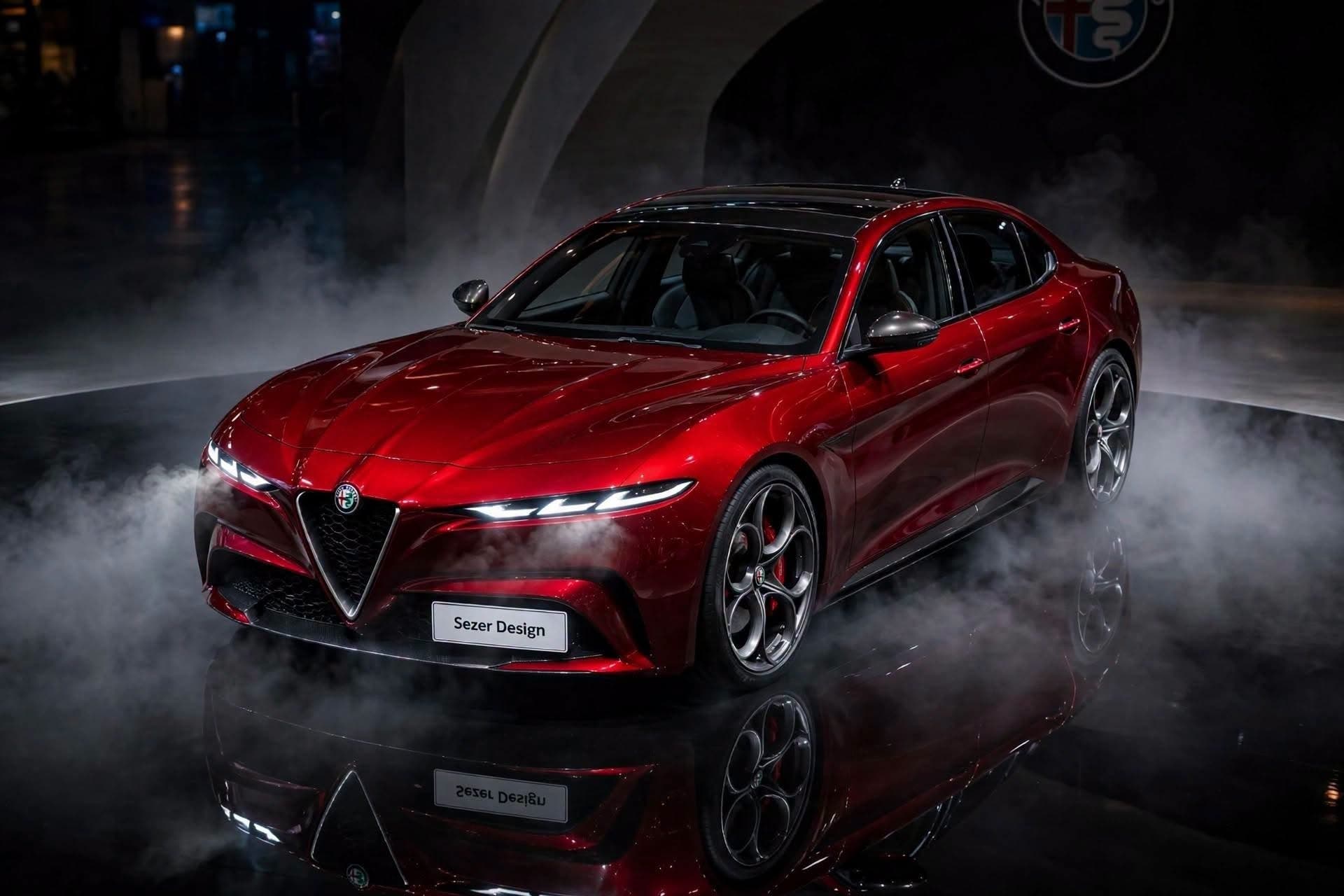
Whether a single replacement makes sense will depend on how many new customers it can attract and how many existing Giulia owners still want a sedan when the time comes to replace their cars. The BMW 3 Series will continue to offer a direct alternative for that audience. If Alfa Romeo chooses a more crossover-like body, the driving position, steering response and chassis tuning will ultimately determine how much of the Giulia’s character survives in the new model.