

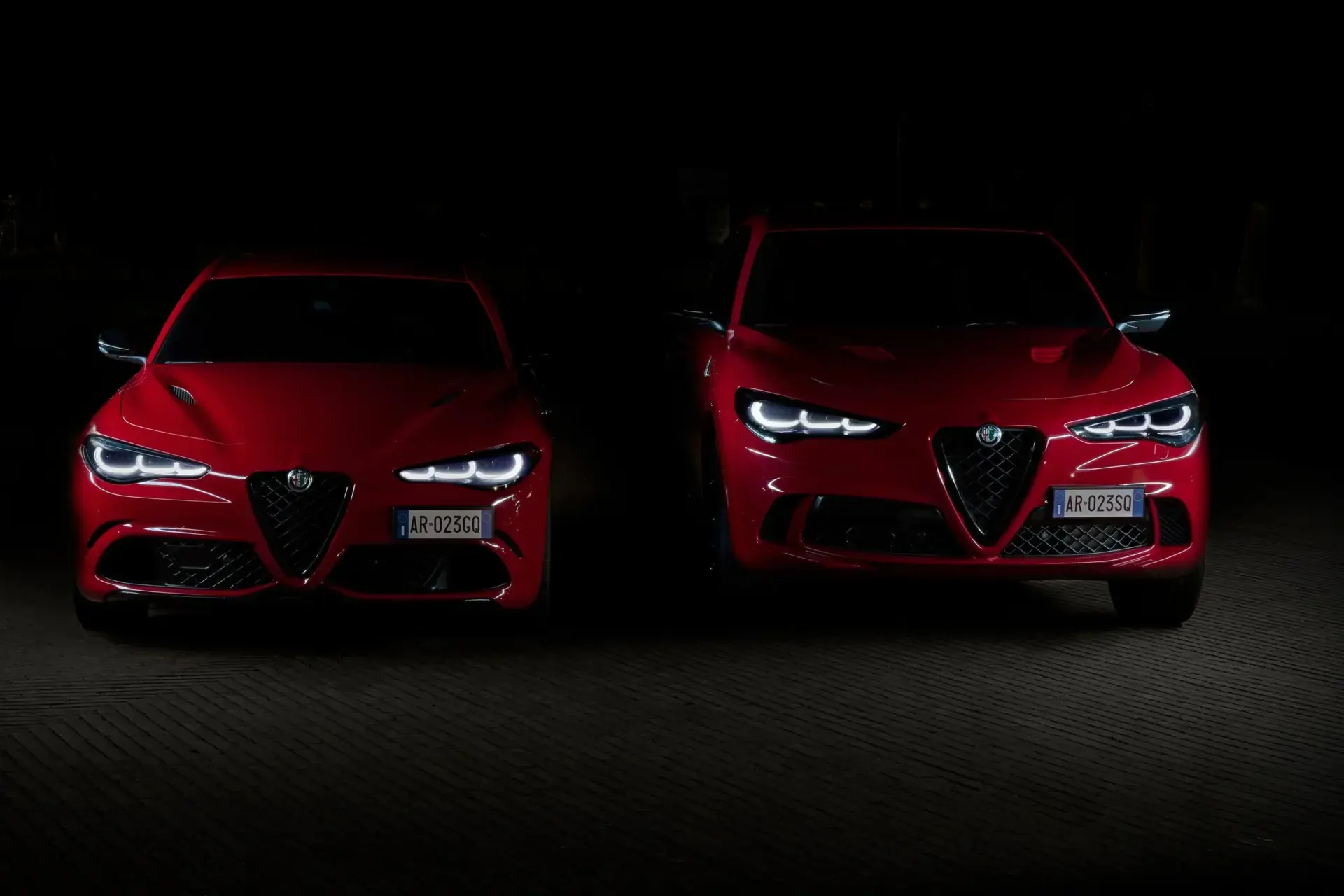
Owning an Italian sports sedan or SUV has always been a thrilling exercise in romance, passion, and occasionally wondering why the dashboard just went completely silent at highway speeds. That timeless experience is currently playing out in China, where Alfa Romeo has officially expanded a safety recall covering 1,146 imported Giulia and Stelvio vehicles built between January 25, 2017, and June 13, 2019.
Announced on November 13, 2026, by China’s State Administration for Market Regulation (SAMR), the campaign addresses a rather inconvenient flaw in the low-pressure fuel pump. Due to a design defect, the component can restrict fuel flow to the engine, potentially causing the vehicle to stall mid-drive.
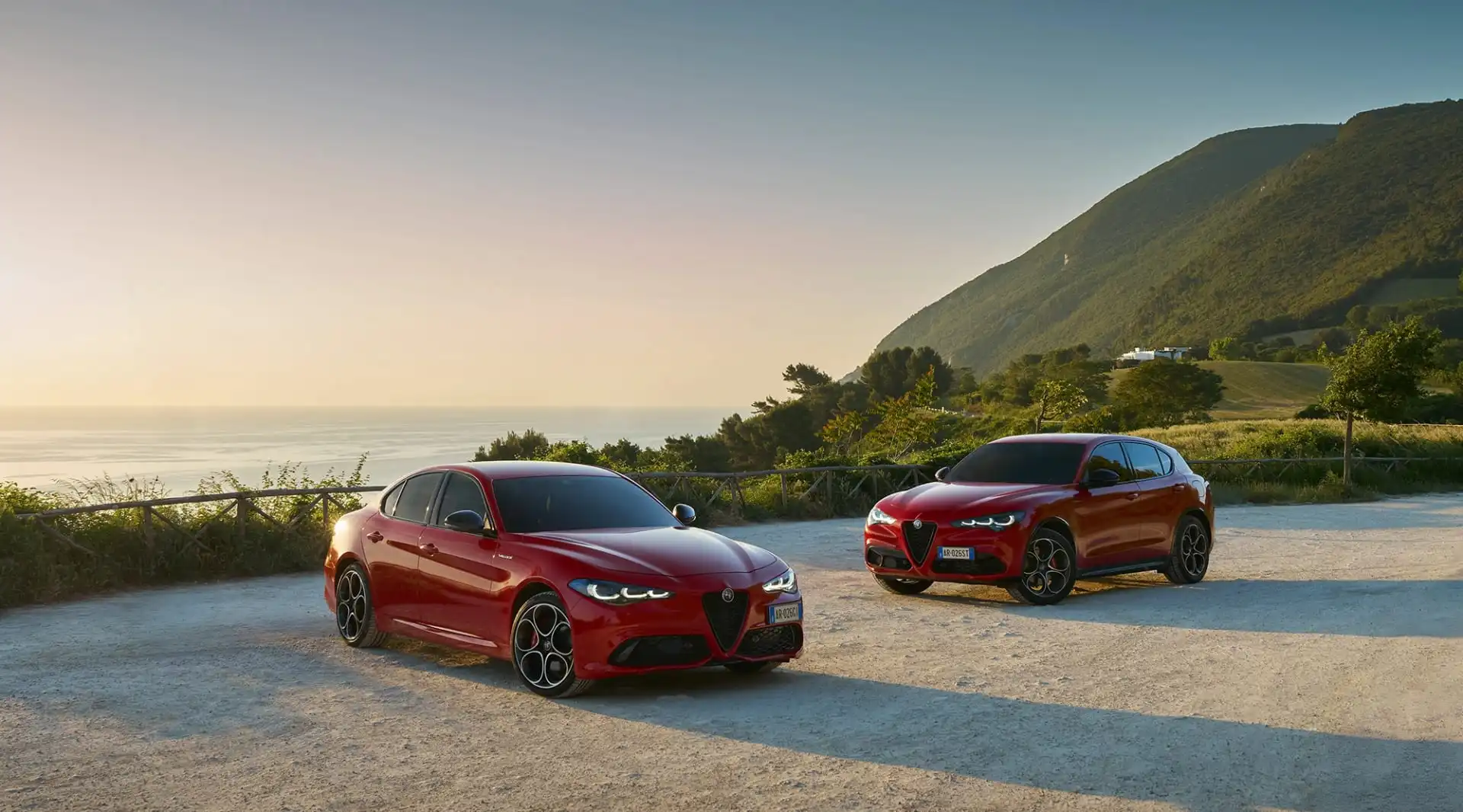
This latest bulletin widens the net of an earlier recall initiated by Stellantis on July 24, 2026, for the exact same issue. Starting immediately upon publication, authorized dealerships will replace both the faulty fuel pump and its control module with updated parts entirely free of charge. Fortunately, owners who already survived the first round of repairs under the July campaign are off the hook and do not need to schedule another visit.
Stellantis Shanghai will reach out to affected drivers via phone or text message, though impatient owners eager to check their vehicle’s fate can enter their VIN directly on the SAMR recall portal. While the recall dates correspond to when the cars rolled off the assembly line, checking the VIN provides definitive confirmation. Anyone calling Alfa Romeo customer service in China for details will want to keep reference code S2026M0143V handy to cut through the red tape.
The brand’s internal combustion lineup just received a major lifeline. The current Giulia and Stelvio, including the gloriously unhinged Quadrifoglio variants, will remain in production through at least the end of 2027. Back in October, CEO Santo Ficili admitted that while their successors were originally conceived as strictly electric vehicles, lukewarm market demand for pure EVs forced the Italian automaker back to the drawing board to evaluate alternative powertrains for the D-segment.