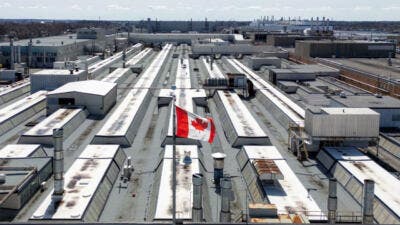
On Saturday, August 1, 2026, 57-year-old James Brasher reported for his shift at the Stellantis facility in Center Line, Michigan. A 30-year veteran of the United Auto Workers (UAW) and a dedicated member of Local 1248, Brasher was tasked with clearing out an aging building that once housed Mopar administrative offices, a site Stellantis is preparing to shutter permanently. He never made it home.
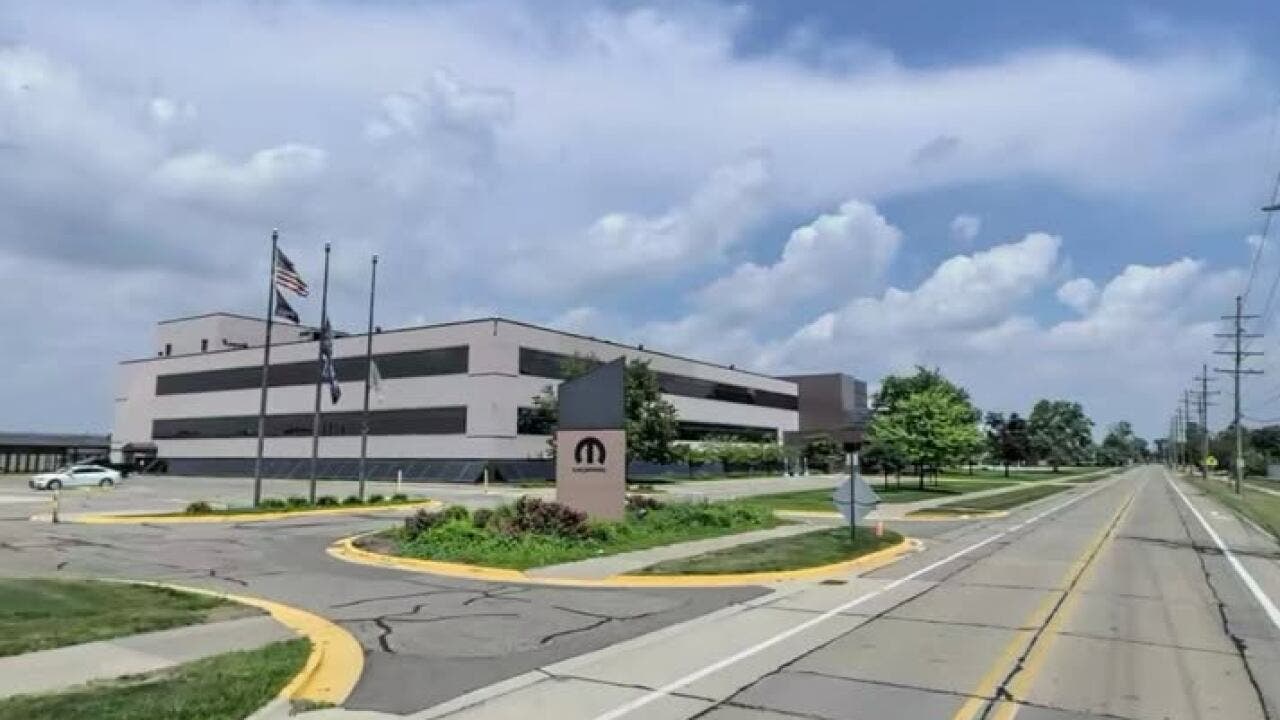
Brasher died following a fatal 25-foot fall from the second floor, tumbling through an open hoist gate directly into a ground-level dumpster while throwing out decommissioned equipment.
Center Line Public Safety Director Paul Myszenski noted that preliminary findings show Brasher was actually wearing a safety harness. The catch: it was never tethered to a lifeline. In the high-stakes world of industrial safety compliance, wearing an unattached harness is the functional equivalent of buckling a seatbelt without anchoring it to the chassis.
MIOSHA, local authorities, the UAW, and Stellantis are currently investigating how the open gate was secured and why basic fall protection failed so catastrophically.
Predictably, Stellantis rolled out its standard PR playbook, offering “deepest condolences” to family, friends, and coworkers, alongside the obligatory pledge of total cooperation with investigators. Yet, for workers on the factory floor, these rehearsed corporate sympathies are starting to sound like a pre-recorded loop.
This is the third fatal accident involving a Stellantis employee at a US facility since 2024. Back in August 2024, 53-year-old Antonio Gaston was killed on the Gladiator production line at the Jeep plant in Toledo after being dragged and crushed by a chassis conveyor system, an incident that led Federal OSHA to fine Stellantis for serious machine guarding violations, a penalty the automaker promptly appealed. Then, in April 2025, 63-year-old Ronald Adams Sr. was crushed by automated equipment during routine maintenance at the Dundee Engine Plant.
As Stellantis reshuffles its global footprint, shuttering heritage sites and squeezing operational budgets, the human cost of keeping the corporate machine running is becoming impossible to ignore.