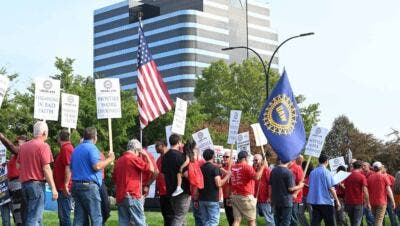
Tensions have risen sharply inside Stellantis’ US plants following confirmation that the company will not pay employee bonuses. For the first time in the past fifteen years, workers will not receive a profit-sharing payout, a benefit that many employees had come to consider a stable part of their annual income.
Stellantis workers react as profit-sharing bonus disappears
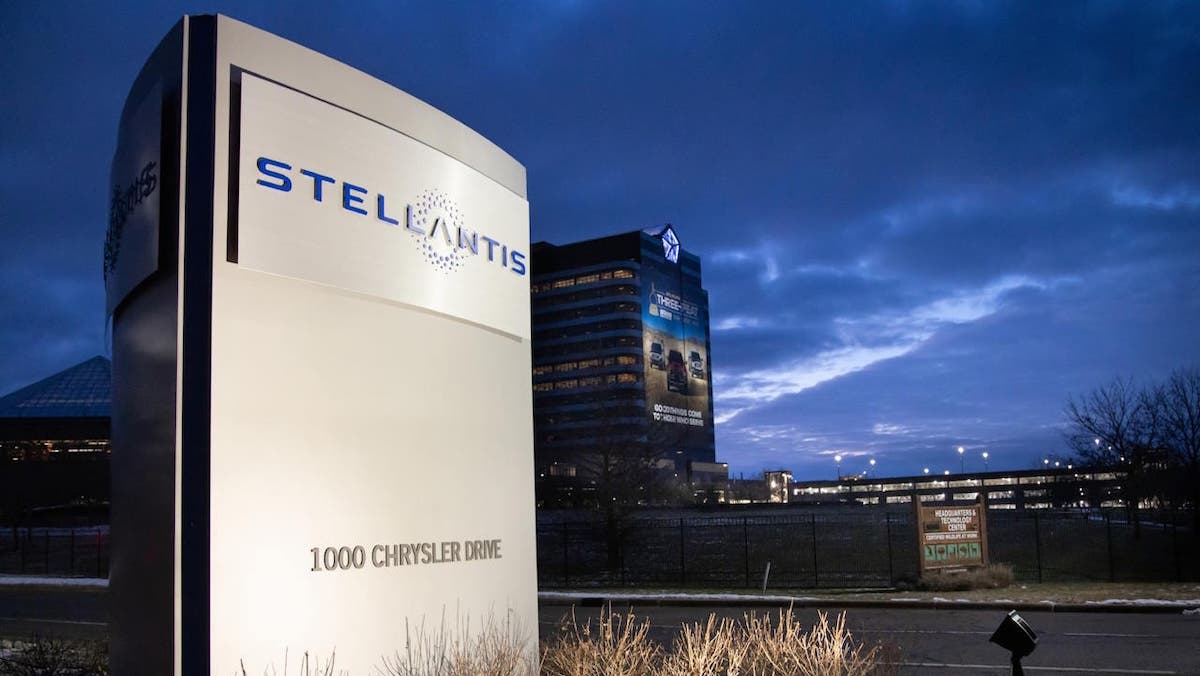
The announcement did not come entirely as a surprise, yet it still triggered strong dissatisfaction among workers and United Auto Workers union representatives. Within the union, many continue to believe that current difficulties stem largely from strategic decisions made during the tenure of former CEO Carlos Tavares. The group’s latest financial results closed with an overall loss of about 26 billion dollars, more than 2 billion of which came from North America alone.
UAW Vice President Rich Boyer, who oversees relations with Stellantis, voiced particularly strong criticism of the previous management. According to Boyer, the company prioritized short-term financial targets and shareholder returns in recent years, while industrial investment and manufacturing facilities received less attention. The union leader stressed that workers should not bear responsibility for the current situation.
The contrast with recent years makes the decision even more significant. Just two years ago, employees received bonuses close to 14,000 dollars, supported by strong margins driven by post-pandemic price increases. Today, the landscape looks very different. Stellantis now faces substantial costs tied to revising its electric strategy, rebalancing the product lineup and adapting to a US market that has become more price sensitive. Higher trade tariffs and political shifts have added further pressure on overall profitability.
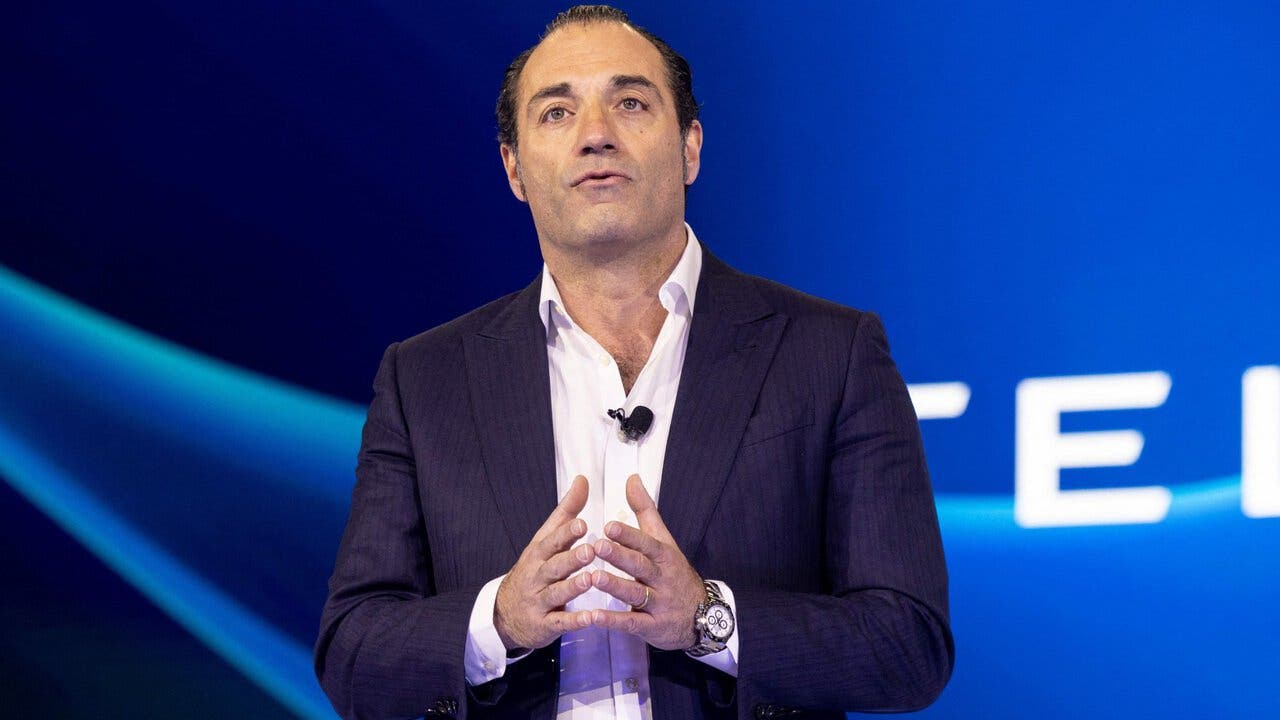
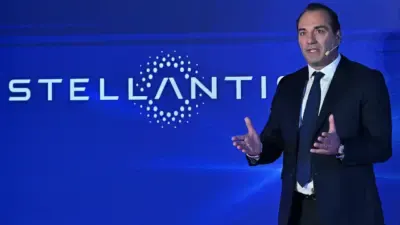
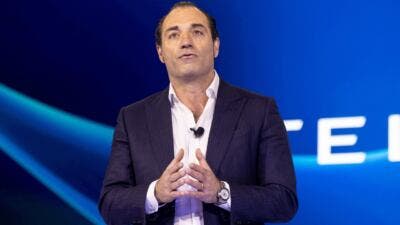
During a conference call with analysts, CEO Antonio Filosa explained that “2025 was a rebuilding year, with results reflecting the considerable cost of necessary changes.” The company stated that North American performance failed to meet the minimum thresholds required under the UAW agreement to activate bonus payments, describing the past year as highly demanding and marked by a deep operational reset aimed at correcting earlier decisions. Management believes that recent product and strategic actions should support improvement starting in 2026.
The announcement has inevitably intensified comparisons with direct competitors. Ford and General Motors distributed significant bonuses to their unionized workers, increasing frustration among Stellantis employees. UAW President Shawn Fain openly blamed management decisions for the situation, also pointing to the 8.3 billion dollars allocated to shareholders while promising stronger pressure on corporate governance.
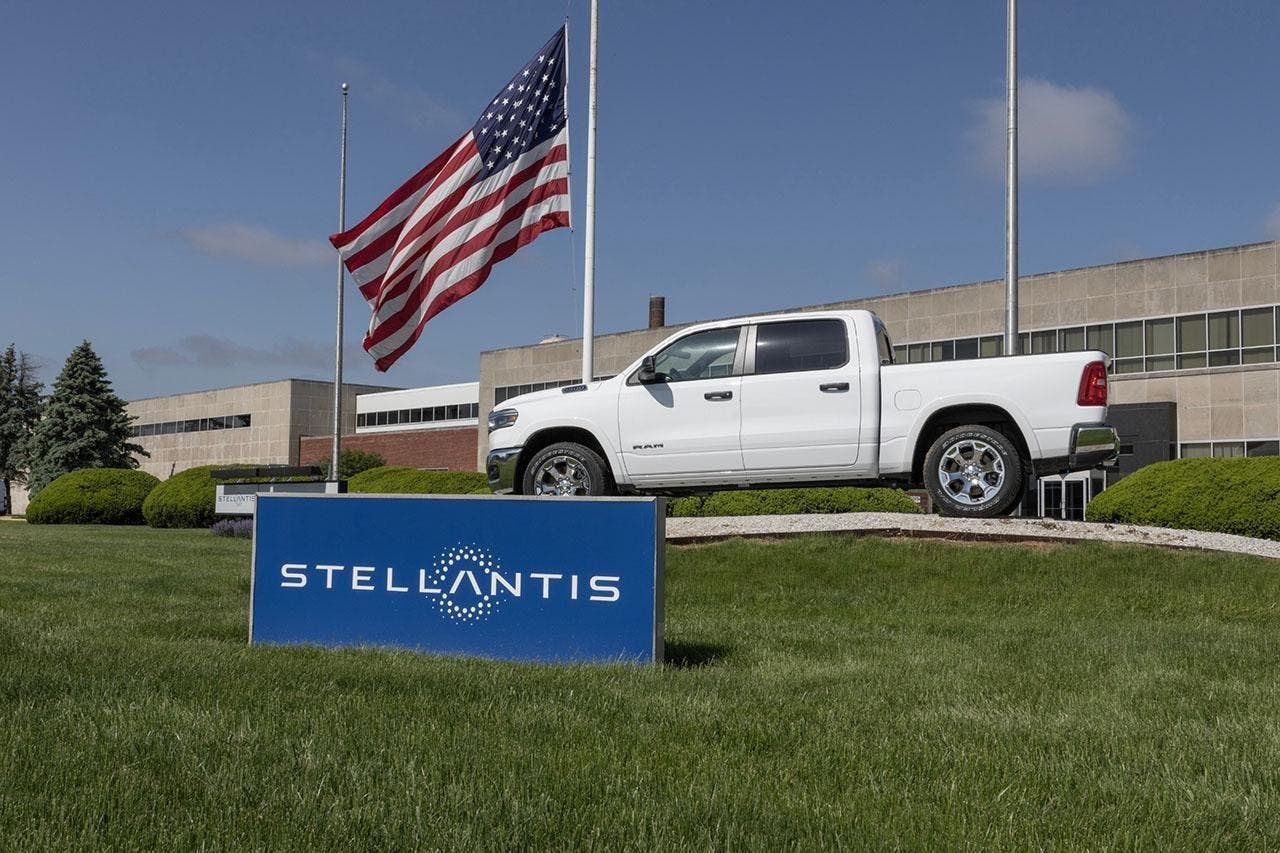
Despite widespread disappointment, reactions vary across plants. At Sterling Heights, workers mainly express frustration without clear signs of spontaneous mobilization, while at the Warren facility concerns focus on the end of Ram 1500 Classic production and the resulting workforce reductions. For many employees, however, the loss of the bonus carries a direct impact on daily life and weakens confidence in Stellantis’ recovery path in the United States.