

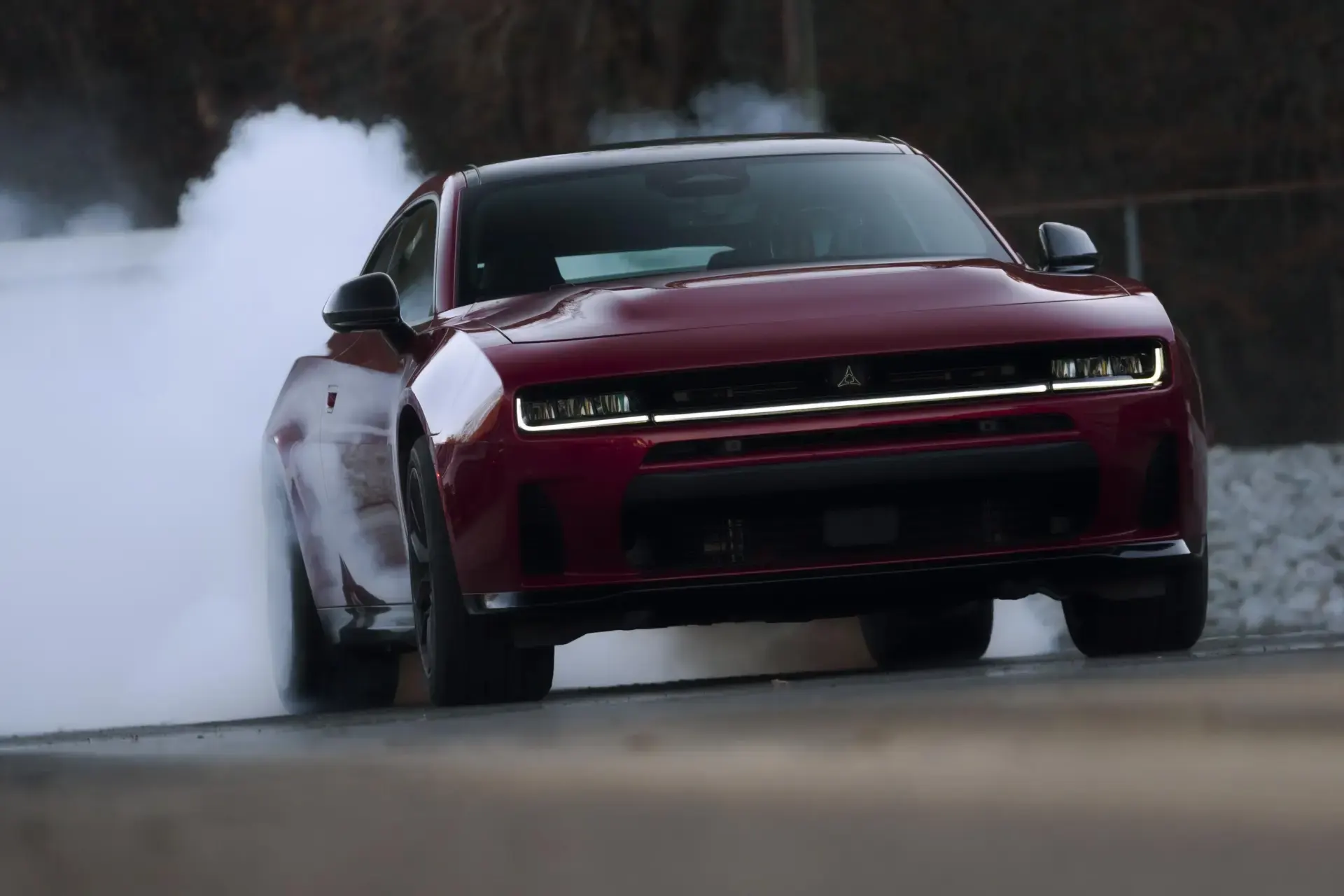
Stellantis gave muscle car loyalists two tantalizing promises at its May 21 Investor Day, yet somehow managed to keep them completely separated. On one slide titled “Planned SRT Variant,” executives lined up two-door Chargers, four-door Chargers, and even a GLH, though the iconic Hellcat badge was nowhere to be found.
A few slides later, CEO Antonio Filosa enthusiastically pledged the return of the legendary HEMI V8 engine. The catch? No presentation slide, internal document, or official flowchart actually connected that V8 to a specific model or model year.
The motivation behind this corporate shell game is far more prosaic than raw passion or tire-smoking theater. SRT chief Tim Kuniskis spelled out the bottom line: this isn’t about ego, fun, or a passion project—it is pure financial engineering. SRT performance models generate net margins two to three times higher than baseline vehicles.
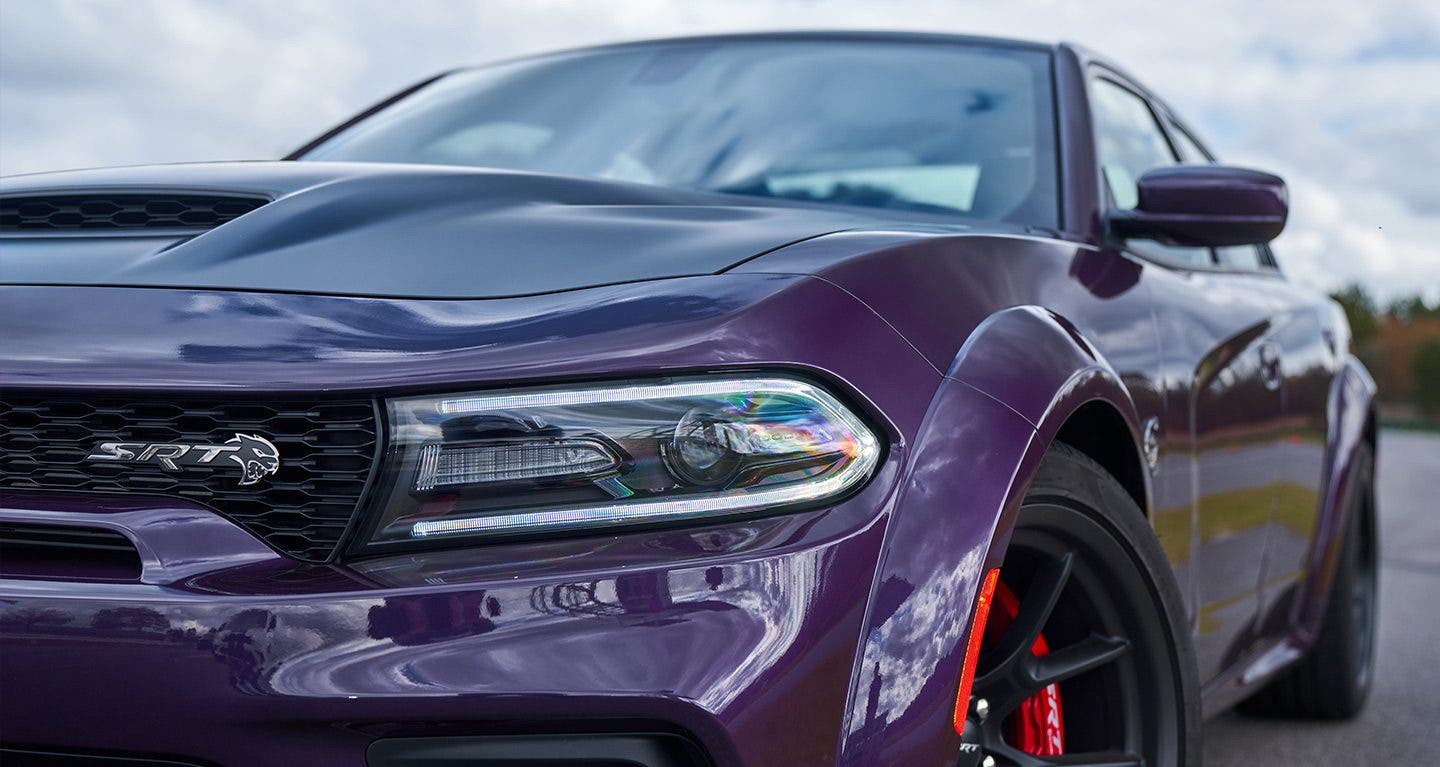
In cold numbers, pushing roughly 50,000 high-margin SRT units across Dodge and Ram through 2030 carries the exact same weight on the balance sheet as shifting 100,000 to 150,000 entry-level commuter cars. It is a profit-margin strategy masquerading as product news.
Meanwhile, Filosa’s V8 promise floats around in corporate strategy through 2030, anchored to the potential easing of U.S. emissions regulations, without an official engine bay to call home. Sure, it could slot into a Charger, but it could just as easily end up powering a heavy-duty Ram or a Durango.
Looking at the current powertrain lineup only deepens the mystery. The 2027 Charger lineup leans heavily into the 3.0-liter Hurricane twin-turbo inline-six, pushing 600 HP in Super Bee trim and 550 horsepower in Scat Pack configuration. Dodge markets this six-cylinder SIXPACK setup not as a compromise, but as a superior leap forward.
To put things in perspective, the 2027 R/T makes 50 HP more than the old 5.7-liter HEMI, and the new Scat Pack tops the outgoing 6.4-liter by 65 HP. An even nastier SIXPACK would easily fit the “Planned SRT Variant” bill without disappointing spec-sheet warriors.
Yet suppliers are whispering louder than press releases. Rumors suggest a 2028 Charger stuffed with a 6.2-liter supercharged V8 could enter production in late 2027, with suppliers instructed to prepare for roughly 12,000 units annually across two-door and four-door configurations.