

Sixty years of automotive heritage boiled down to a €60 billion reality check. Just hours before facing the crowd at the Auburn Hills investor day, Stellantis CEO Antonio Filosa dropped the FaSTLAne 2030 strategic plan. After months of burning through investor trust faster than a Hellcat burns through premium unleaded, Filosa desperately needed a shiny, expensive slide deck to keep the wolves at bay.
The plan relies on six structural pillars, ranging from streamlined manufacturing to regional empowerment, and promises a staggering 60 new vehicles alongside 50 major updates by 2030. But don’t call it an EV revolution. With a chaotic split of 29 BEVs, 15 plug-in hybrids, 24 traditional hybrids, and 39 internal combustion options, this is the corporate equivalent of betting on every single number at the roulette table.
Predictably, the money follows the surviving cash cows. Jeep, Ram, Peugeot, and Fiat will swallow 70% of the product investment. Meanwhile, the corporate restructuring reads like a game of musical chairs. Five regional brands, including a perpetually identity-seeking Alfa Romeo, will share global engineering while pretending to stay local. Lancia and DS have officially lost their independence, getting swallowed by Fiat and Citroën as specialized sub-brands. Maserati somehow retains its luxury autonomy, promising two new E-segment models, though we will have to wait until December 2026 in Modena to see if the Trident actually has any teeth left.
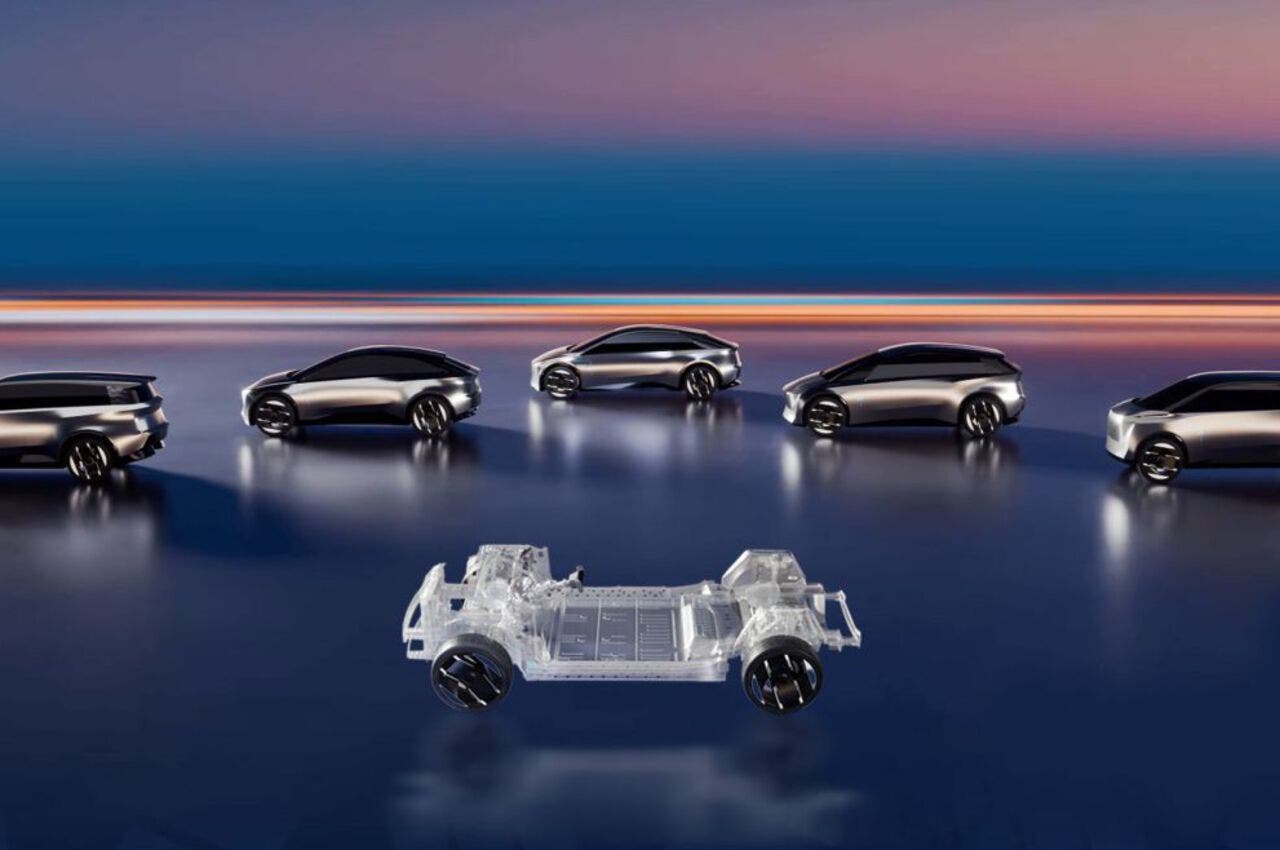
Technically, €24 billion is being thrown at the wall for R&D. The centerpiece is STLA One, a single, mythical scalable architecture meant to replace five existing platforms, standardizing everything from B to D segments. Launching in 2027, the goal is 2 million units annually by 2035 using LFP batteries and cell-to-body tech.
Then there is the desperate web of partnerships. Leapmotor, Dongfeng, Tata, Jaguar Land Rover, Nvidia, and Mistral AI: Stellantis is swiping right on everyone to split development costs, even admitting some deals aren’t even legally binding yet.
The regional contrast is stark. While Europe suffers a brutal capacity cut of 800,000 units to artificially boost plant utilization to 80%, North America gets showered with 60% of the product budget. Filosa claims AI will cut vehicle development times from 40 down to 24 months, saving €6 billion annually by 2028.