

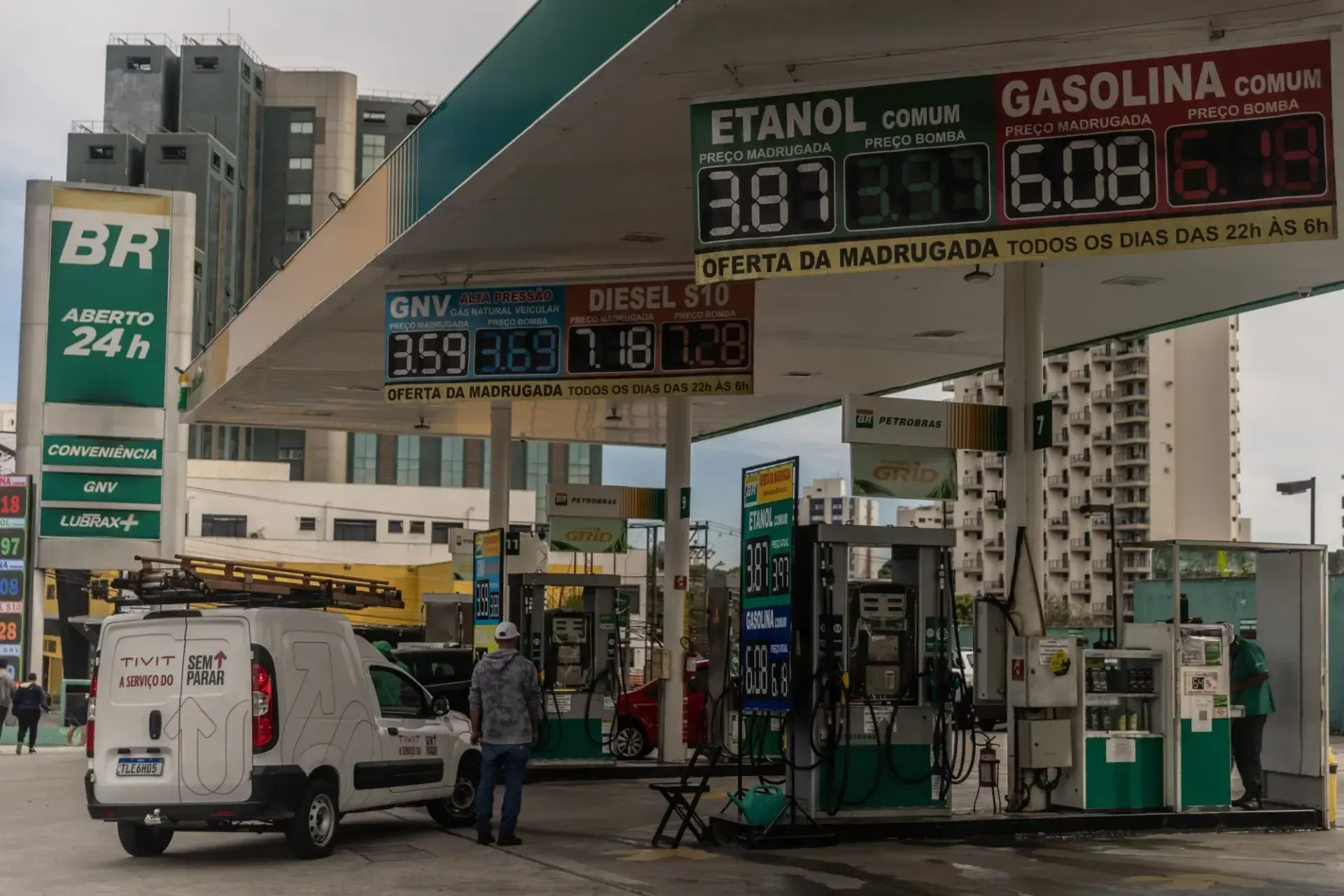
If you ever suspect your local gas station is diluting fuel with cheap water or sketchy solvents, your car might soon do the snitching for you. According to Brazilian weekly Veja, Stellantis has filed a intriguing patent with INPI, Brazil’s National Institute of Industrial Property. The goal? A smart onboard system designed to detect adulterated fuel, alert the driver in real-time, and link the suspicious fill-up directly to the exact gas station responsible.
To take the drama a step further, the system could automatically beam these suspect telemetry logs remotely to the ANP, Brazil’s regulatory agency for petroleum and biofuels. For drivers, this means no longer lying awake wondering whether that unsettling engine shudder is a failing spark plug or last night’s questionable bargain-bin gasoline. For authorities, it turns every connected Fiat, Jeep, Peugeot, Citroën, or Ram into a mobile detective force, mapping out shady fuel vendors with crowd-sourced precision.
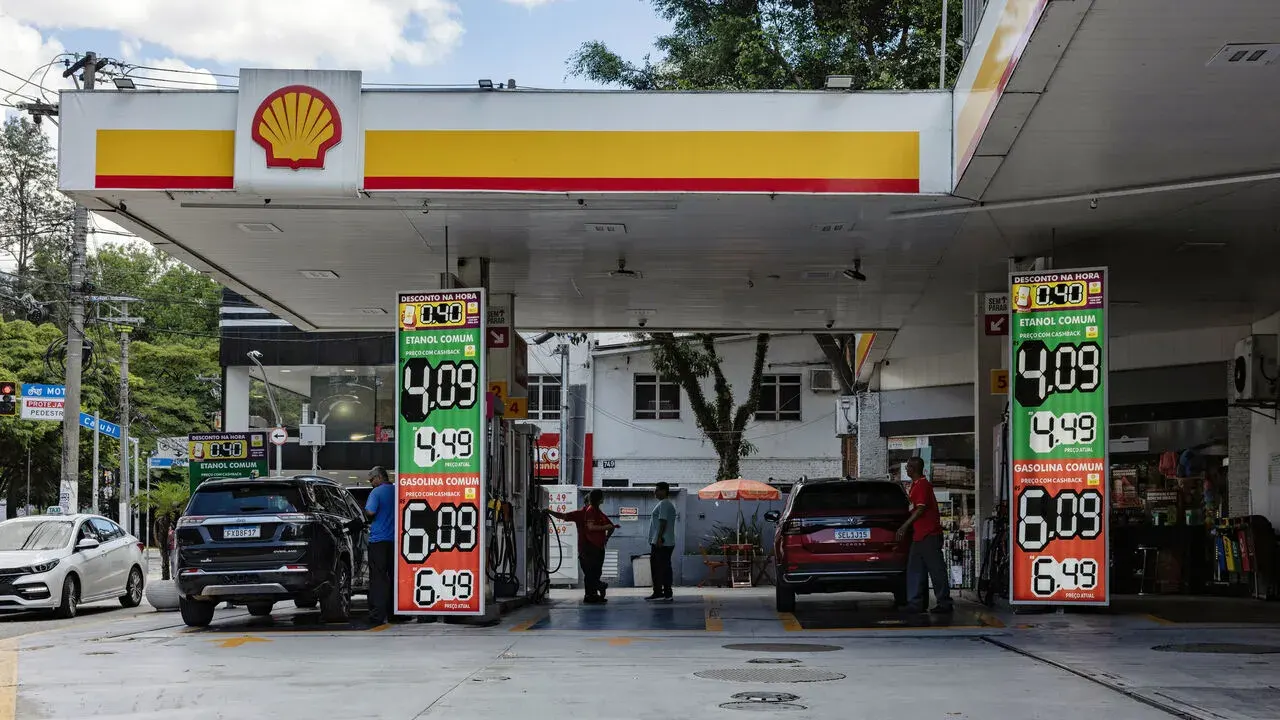
Of course, letting a car play prosecutor comes with obvious risks. The patent must carefully distinguish between a genuine contamination warning and a false alarm caused by a cranky sensor or a pre-existing mechanical failure. Blaming an innocent station owner because your car’s ancient oxygen sensor decided to quit right after fill-up could spark an administrative nightmare. Details remain hazy on what exact anomalies trigger the system, how precise the sensors are, or what strict verification steps precede broadcasting data to government agencies.
Data privacy advocates will undoubtedly eye the proposal with healthy suspicion. Questions remain regarding what specific metrics are transmitted, under what exact conditions, and what privacy safeguards protect the vehicle owner. It is worth noting this is purely a patent filing, not an officially announced feature for current showroom models.
Stellantis has not specified launch dates, production plans, or whether this digital fuel detective will ever expand beyond Brazil into global markets. But until patents become reality, you will still have to rely on your own gut instinct when pulling into that suspiciously cheap, dimly lit gas station.