

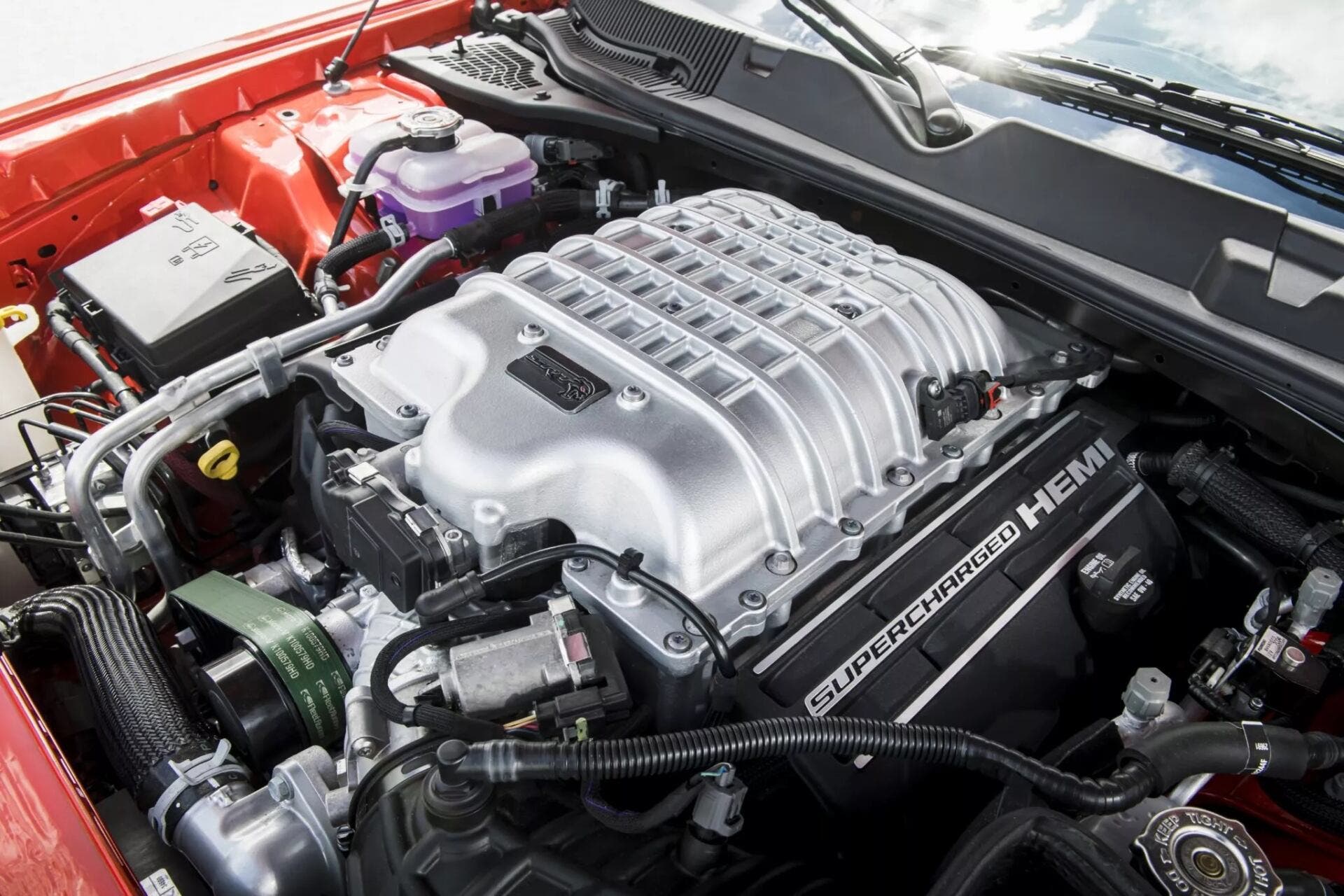
Stellantis has officially hit the rewind button on Carlos Tavares’ ambitious electric crusade, resurrecting the legendary Hemi V8 back on American soil. The whole drama began when the executive push toward electrification between late 2023 and 2024 left the Hemi condemned to the history books.
At the historic Saltillo plant in Mexico, which has churned out iconic Chrysler V8s since 1981, including the Magnum V8, V10, and Hellcat 6.2, the 5.7 Hemi tooling was dismantled to make room for the twin-turbo Hurricane inline-six.
Then reality hit. Customers revolted, truck buyers started wandering over to Ford and GM showrooms, and Stellantis suddenly found itself staring at a gaping 20,000-engine deficit.
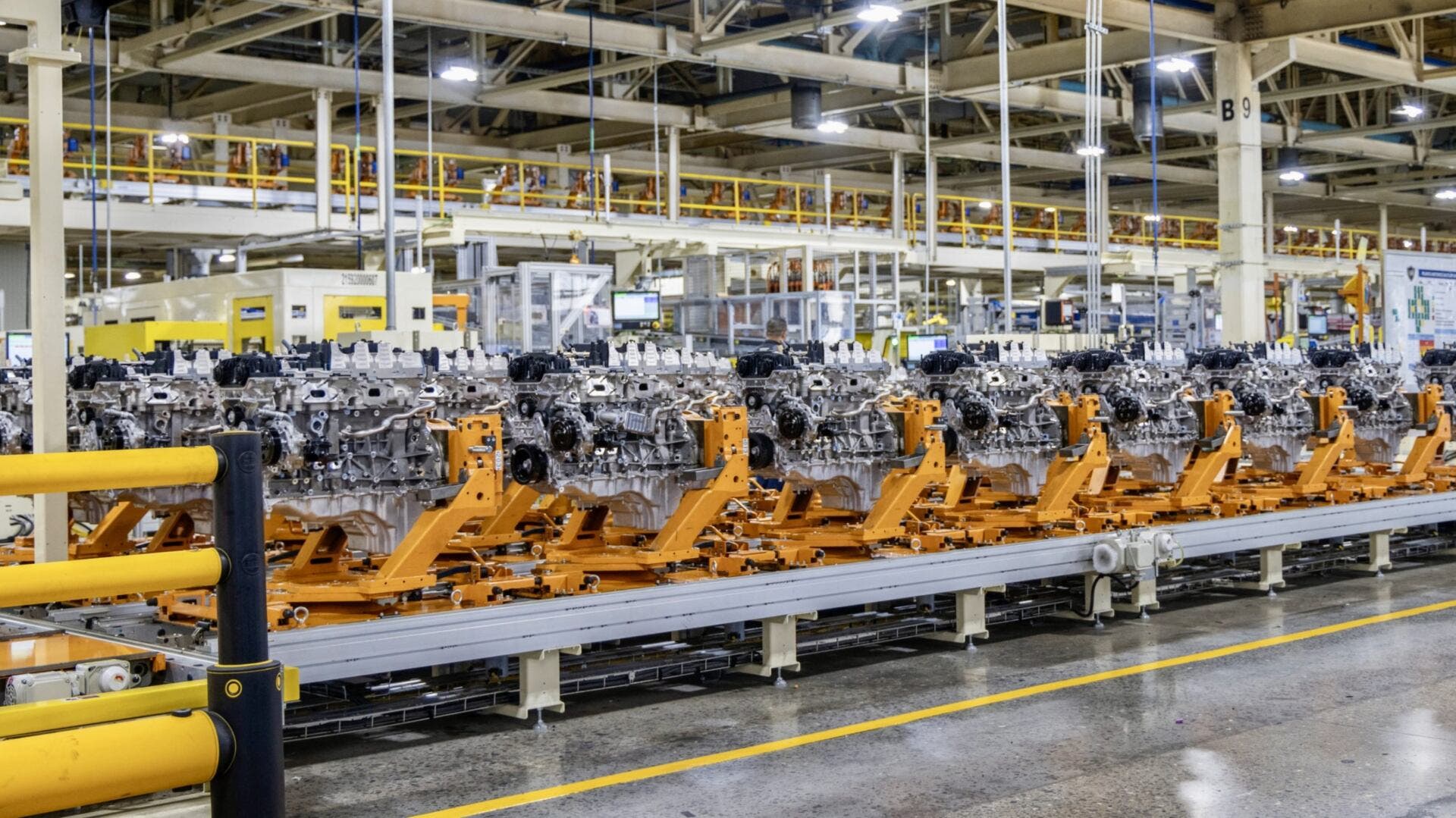
With Hemi demand reinstated for 2025 and Saltillo lacking the floor space for dual production, management devised a “simple” logistical shuffle. Saltillo will focus heavily on the Hurricane, while extra Hemi V8 capacity shifts to Dundee, Michigan, for the 2026 model year. Instead of taking long rail trips up from Mexico, finished engines now travel less than 130 kilometers by truck, delivering actual just-in-time logistics.
Still, Dundee has its work cut out: Hemi production must triple to reclaim lost ground, targeting a 35-40% adoption rate by late 2026. Flexibility remains key, as Saltillo can build the 5.7 when needed, while Dundee can assemble the Hurricane, which debuted with 11,000 units last year.
Ram has clearly learned that truck owners despise stay forced into a corner. Moving forward, the brand is offering a three-pronged approach: the beloved V8, the punchy twin-turbo straight-six, and the tech-heavy Ram 1500 REV extended-range EV. The latter features no mechanical link between the engine and the wheels, pairing a 250 kW front unit, a 248 kW rear unit, and a 91.8 kWh battery pack with a 3.6-liter Pentastar V6 acting purely as an onboard generator. Bragging a monster 6,350 kg (14,000 lbs) towing capacity and up to 1,115 km (690 miles) of total range, it arrives early next year.