

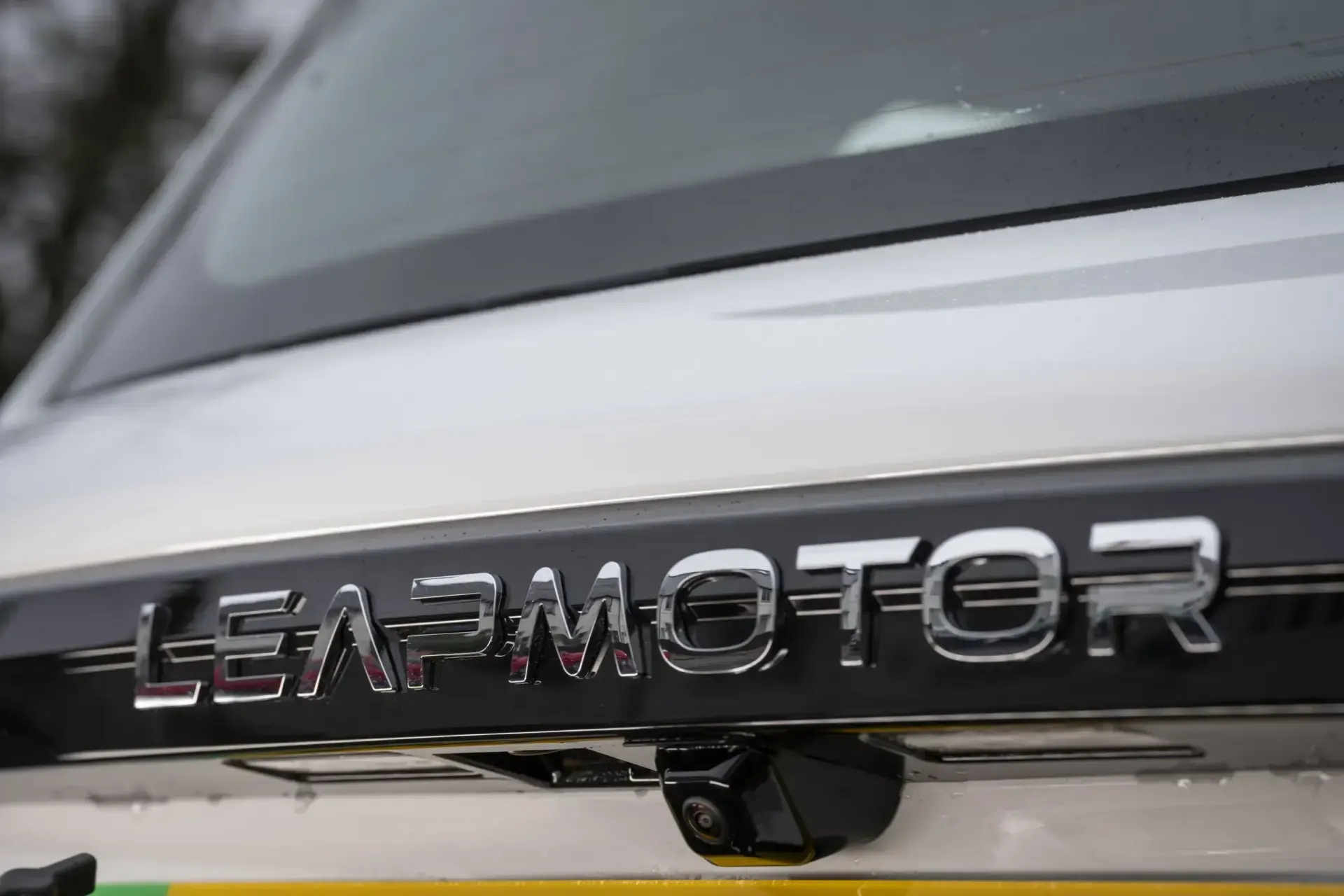
The rapid influx of affordable, tech-packed Chinese electric vehicles from brands like BYD, GWM, and Chery has taken markets by storm. However, a fresh wave of “privacy paranoia” has hit Australia, where buyers seem to ask a rather uncomfortable question: are the shiny new Chinese EVs actually spying on us?
Fueling the fire, a report by ABC’s Four Corners sensationally claimed that certain vehicles could be easily hacked. While experts quickly clarified that exploiting these cars requires physical access rather than magical over-the-air remote hijacking, the geopolitical stigma surrounding Chinese automotive tech remains stubbornly hard to wash off.
Enter Leapmotor, an up-and-coming manufacturer facing a unique PR nightmare. Founded by Chinese billionaire Fu Liquan, who also happens to be the founder of the controversial surveillance firm Zhejiang Dahua Technology, Leapmotor builds vehicles equipped with hardware from Dahua.
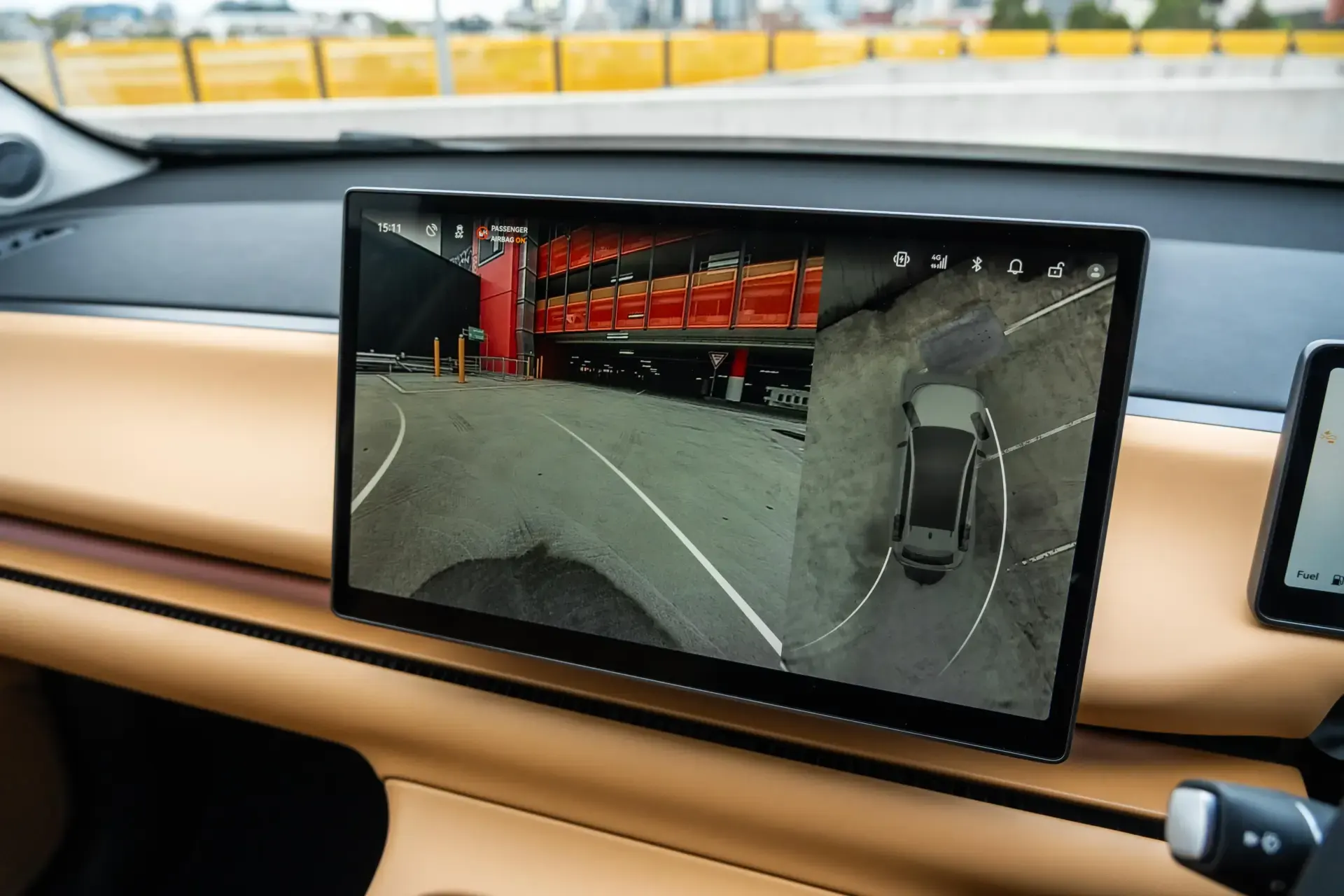
Dahua cameras result banned in 2023 by the Australian Department of Defence, alongside similar blacklists in the UK, Quebec, and Ukraine. Yet, Leapmotor models like the new B05 proudly feature Dahua-supplied parking cameras and integrated dashcams. Talk about an awkward elevator pitch to security-conscious buyers.
Despite the headwinds, Leapmotor Australia chief Andy Hoang remains remarkably unbothered, insisting that transparency is the best defense. Address the camera connection? Sure. Acknowledge that Dahua is a top-three global camera giant? Absolutely. But Hoang maintains that the B05’s built-in dashcam presents zero remote surveillance threat, explaining that the system operates strictly locally, with zero capability to record or upload footage to the cloud.
Adding another layer of global plot twist, Leapmotor operates locally under Leapmotor International, a joint venture where European giant Stellantis holds a controlling 51% stake. Headquartered in the Netherlands, the brand technically answers to strict European cybersecurity regulations rather than Chinese state mandates.
Still, while Hoang embraces the extra scrutiny as proof of consumer vigilance, he candidly admits that not every Chinese brand flooding foreign markets will survive the upcoming wave of industry consolidation.