

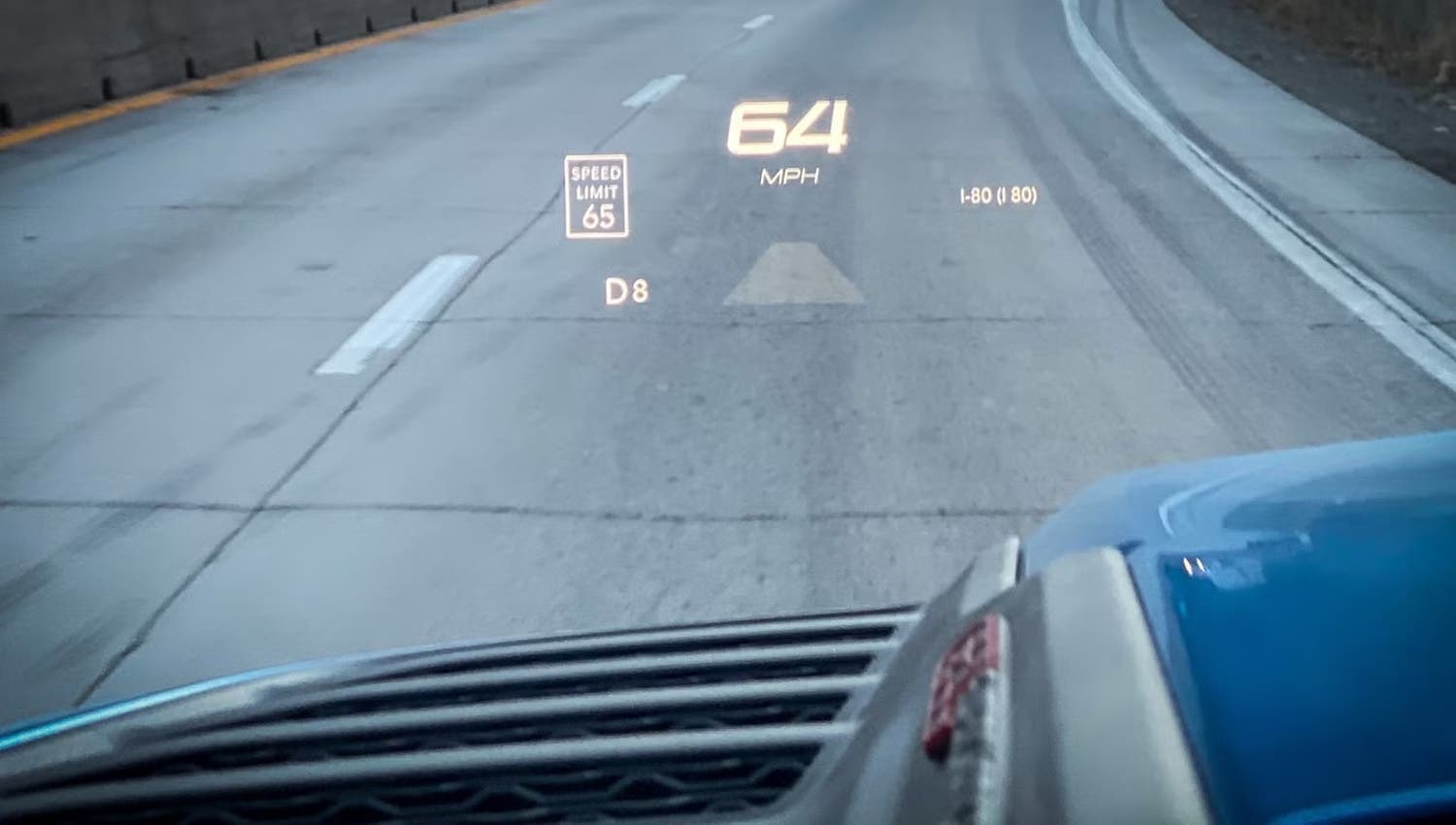
Stellantis is studying a head-up display that makes warnings more noticeable when the driver exceeds the speed limit. A new patent describes alerts that change position and size on the windshield, drawing more attention as the amount of speeding increases.
Stellantis explores smarter head-up display warnings for speeding drivers
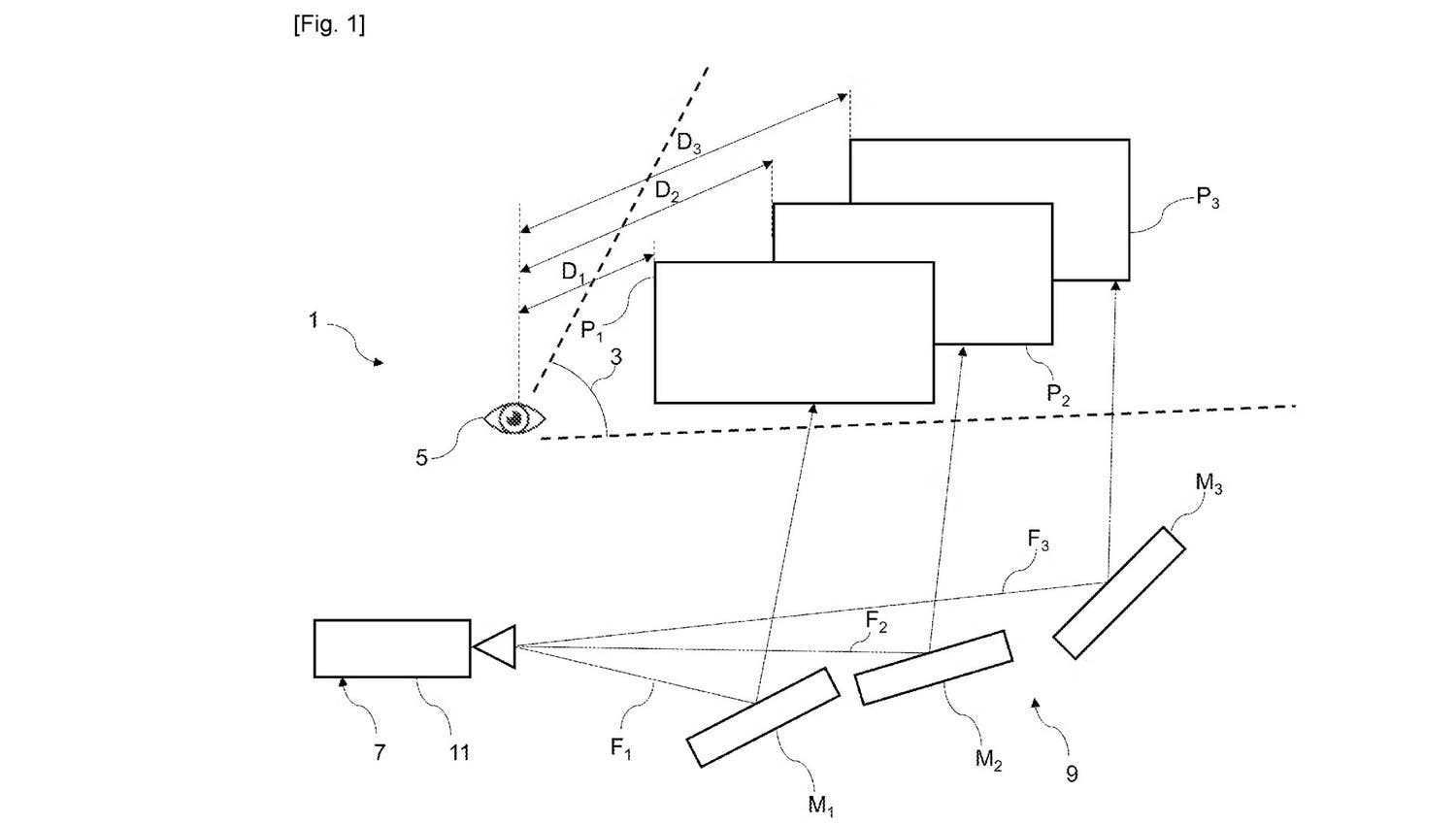
The examples in the patent show three different situations. At less than roughly 5 mph over the limit, the warning remains relatively small and sits alongside the usual head-up display information. At around 10 mph over the limit, the system makes the alert more prominent and places it on a different display plane. At roughly 15 mph or more above the limit, the speed reading and warning occupy more space through a dedicated graphic.
These figures illustrate how the system could work and may differ from any settings Stellantis eventually adopts in a production vehicle. The amount by which the driver exceeds the limit would determine the intensity of the warning, changing both the message’s position and its prominence compared with the rest of the information.
The proposal addresses the tendency of drivers to become accustomed to seeing the same elements in the same place. Repeated graphics can eventually fade into the background, even when they contain a warning. The system described in the patent tries to break that familiarity by changing what appears in the driver’s field of view as the speeding violation becomes more significant.
Using the head-up display keeps the warning directly in front of the driver and reduces the need to look down at the instrument cluster. Projecting information across different visual planes also gives the system another way to communicate urgency, combining changes in size with changes in position.

Stellantis patent also considers audible alerts that follow the same progressive approach. A small difference from the speed limit would therefore trigger a different response from a much higher speed, rather than producing the same warning in every situation.
The technology could also help drivers judge speed in electric vehicles, where rapid acceleration and the lack of conventional engine noise can provide different sensory cues from those of an internal-combustion car. A more noticeable visual warning could offer an additional reminder and make changes in speed easier to recognize.
Stellantis has not yet announced any plans to bring the technology to production. The patent outlines one possible evolution of driver warnings, while the company has yet to define which models could use it, what the final interface might look like or when it could arrive.