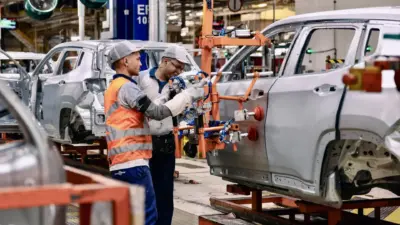
While Stellantis spends plenty of time navigating European regulatory headaches and corporate drama, its South American operations are quietly building a high-tech powerhouse. At the 12th edition of the Valor Inovação Brasil awards, the automaker officially barged its way into the top five most innovative companies in the Automotive and Heavy Vehicles sector.
What makes this victory entertaining? Stellantis was the only light-vehicle manufacturer to crack the top five, standing proudly alongside heavy machinery builders, parts suppliers, and component makers.
It turns out Brazil is much more than a market for budget-friendly commuter cars. It houses one of South America’s largest automotive engineering nerve centers. With over 3,000 engineers, designers, and technicians working across more than 60 specialized laboratories, the beating heart of this operation is the Betim Automotive Hub in Minas Gerais. Instead of just localized tweaks, Betim is cooking up software, AI, connectivity, and electrification tech designed for global deployment.
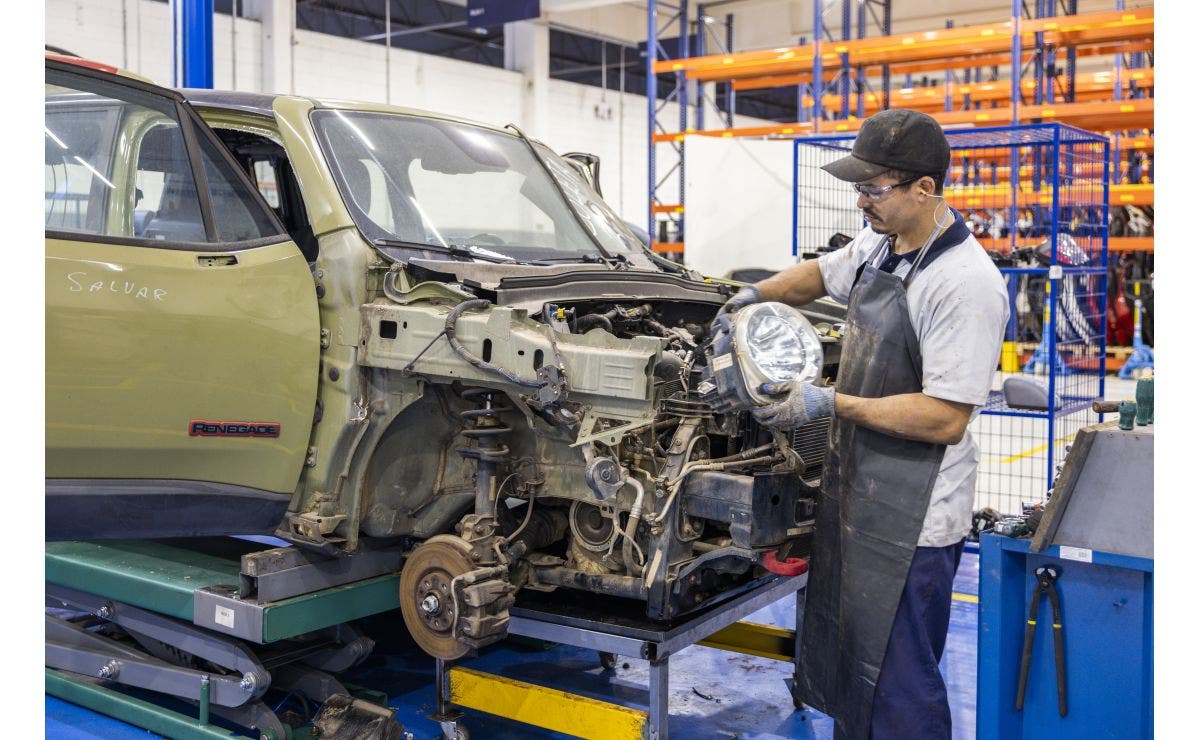
Real innovation sometimes it involves systematically ripping smashed vehicles apart for fun and profit. Over in Osasco, São Paulo, Stellantis launched South America’s first industrial-scale vehicle dismantling plant: the Circular AutoPeças facility. In its first six months of operation, this gloriously organized scrapyard dismantled roughly 600 vehicles, salvaged more than 9,000 reusable components, and properly processed over 360 tons of automotive waste.
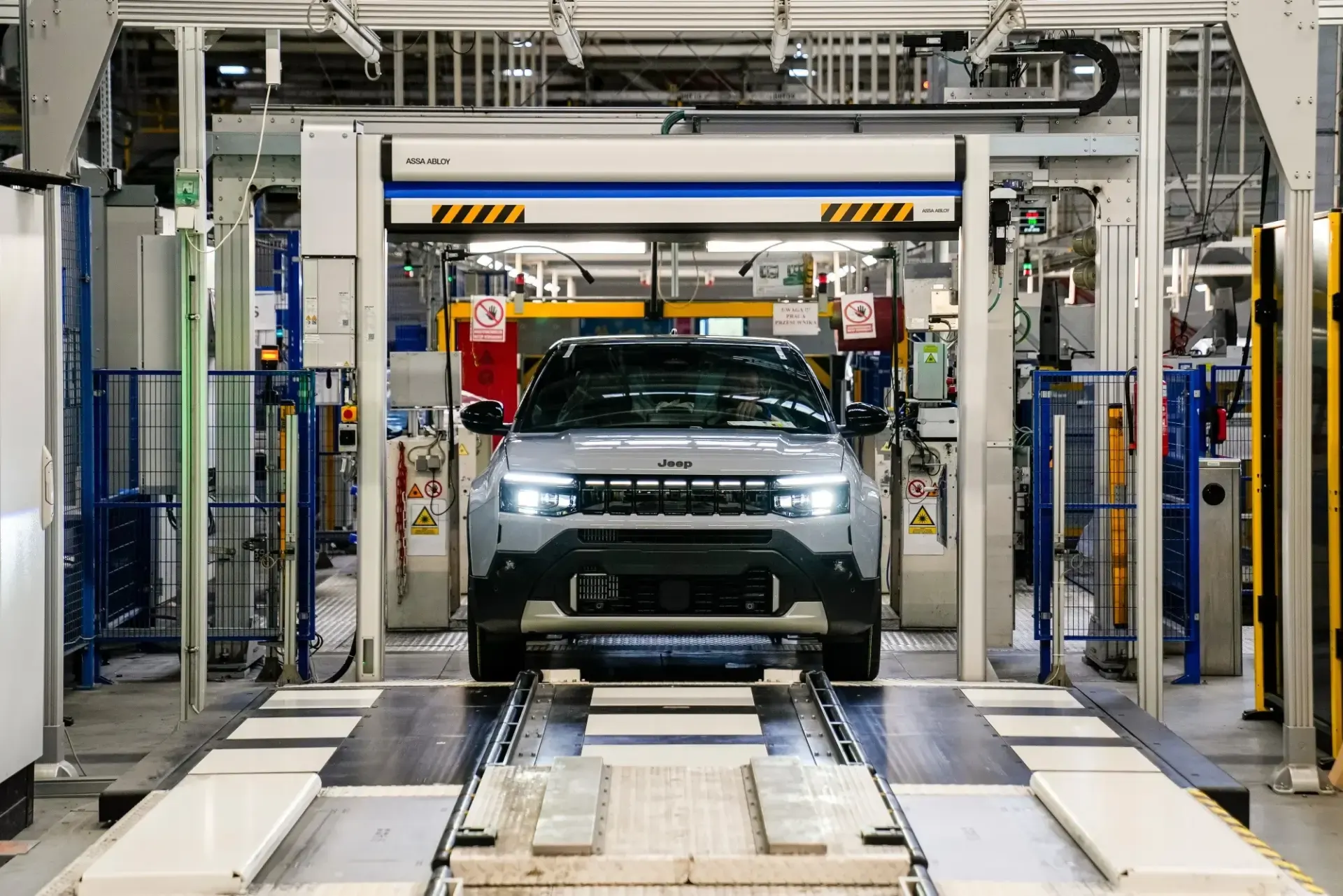
Meanwhile, over at the Goiana plant in Pernambuco, Stellantis joined forces with the University of Pernambuco, HighByte, and Siemens to digitize the assembly line. By creating a real-time data architecture that ties together sensors, machinery, and production software, they built a setup capable of feeding predictive AI and digital twins. They’ve already reclaimed 15 hours of lost production downtime, opening the door to churning out an extra 810 vehicles a year.
To cap off this regional flex, Stellantis slapped 225 patent applications onto the desks of Brazil’s INPI in 2025 alone, a 21.6% jump year-over-year, making it the country’s undisputed patent king.