


When it comes to electrifying the American driveway, Stellantis seems to have realized that forcing a gas-guzzling pickup driver into a pure battery-electric vehicle is like serving kale at a Texas tailgate. Speaking on Tuesday, October 13, on the sidelines of the Paris Motor Show, Stellantis CEO Antonio Filosa offered a dose of pragmatic reality: the commitment to electrification remains unwavering, but the American market is going to take its sweet time getting there.
Filosa projected that EV sales in the United States will hover around a modest 7% by 2026. He candidly labeled the initial surge in EV interest a regulatory-driven “bubble” stoked by aggressive policies. Now that the regulatory vise is loosening, automakers are discovering what happens when consumers actually get to choose.
Rather than trying to force-feed full-electric powertrains to folks towing heavy trailers across vast interstate highways, Stellantis is shifting its strategy toward range-extender technology for its bread-and-butter American lineup of massive SUVs and pickup trucks.
In a range-extender setup, electric motors drive the wheels directly, while a compact internal combustion engine acts strictly as an onboard generator to feed the battery once it runs dry. It seems the ultimate compromise for the range-anxious American driver who wants zero-emission bragging rights at the local grocery store without the crippling dread of being stranded near an abandoned charging station in the desert.
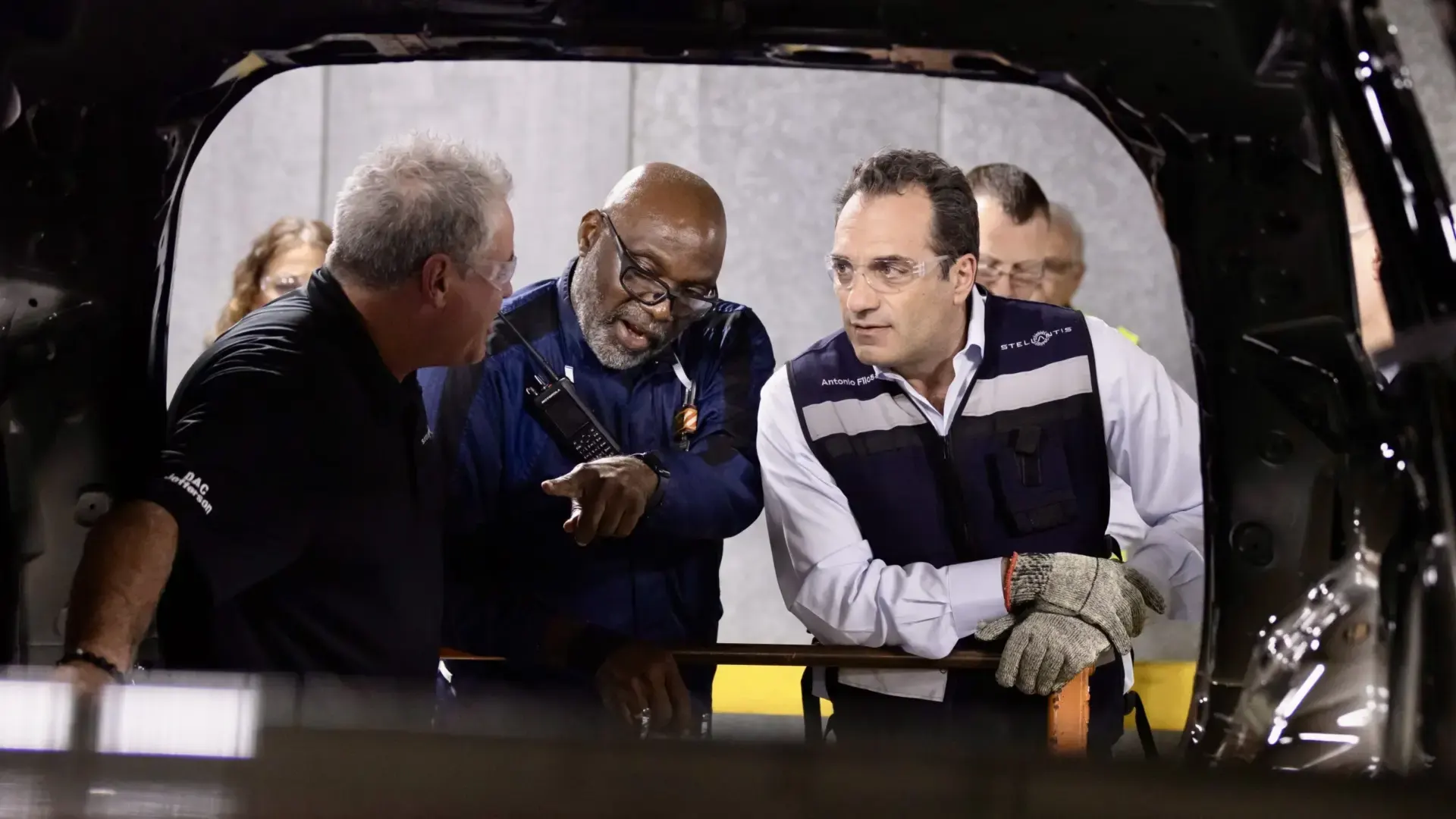
Filosa emphasized that while Stellantis can draw on its European electrification background, simply copy-pasting products across the Atlantic won’t work. The global auto industry is rapidly de-globalizing, fracturing into regional hubs bound by fresh trade barriers, local regulations, and distinct regional tastes. To survive in this fragmented landscape, Stellantis plans to leverage global tech development, form strategic alliances, and tailor powertrains strictly to local habits.
The company wants to bet that gas-powered generators tucked inside electric trucks might just become the lifesaver needed to navigate America’s sluggish transition to the electric era.