

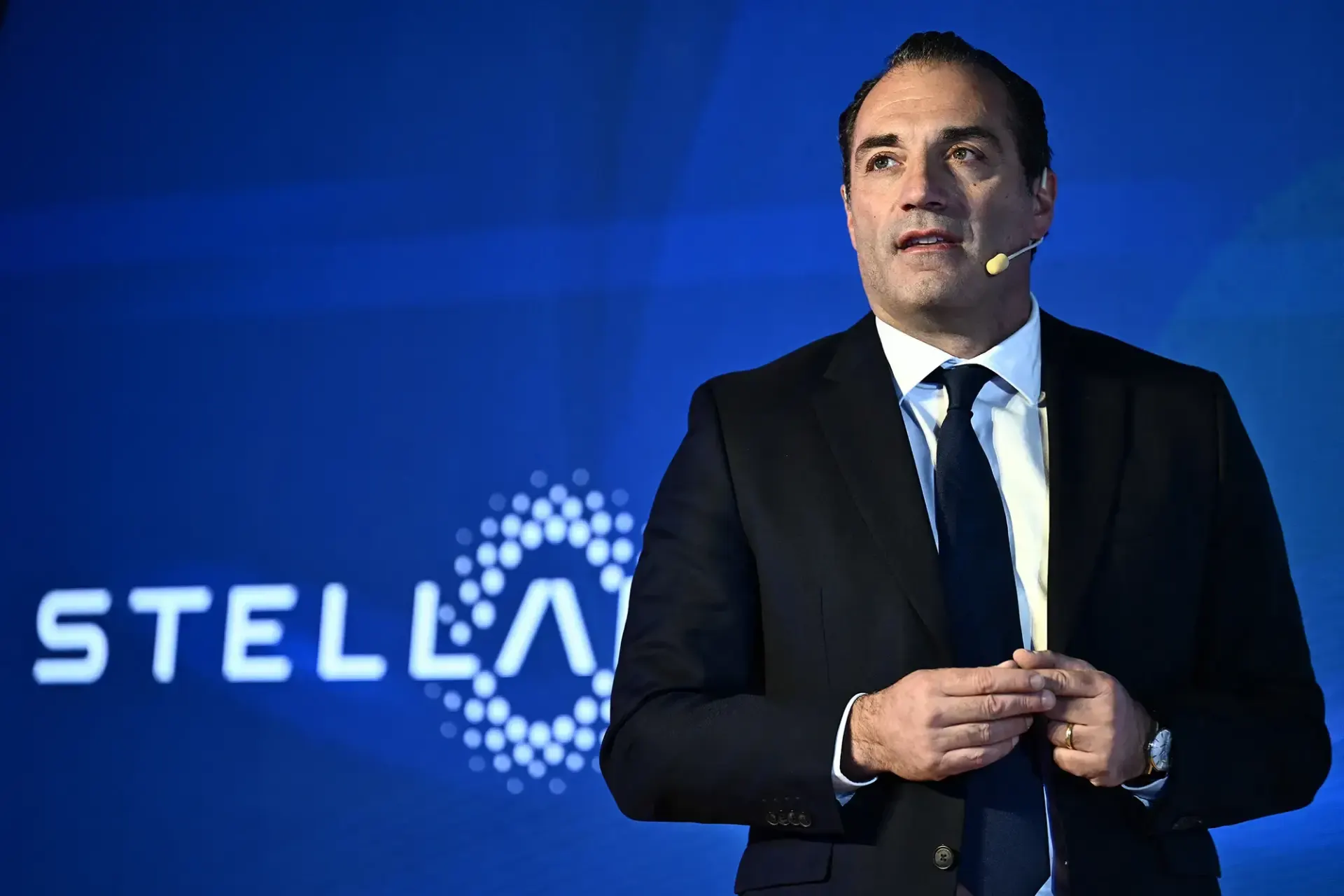
Stellantis, Renault and Volkswagen are urging the European Union to reconsider its CO2 rules and create more predictable conditions for developing future vehicles. At the Paris Automotive Summit on October 13, executives from all three groups linked the competitiveness of Europe’s auto industry to its ability to keep investing in local factories without regulations eventually forcing manufacturers to reduce their product lineups.
Renault warns of 300,000-car production cut as automakers pressure Europe
Renault CEO François Provost outlined what his company could face without greater flexibility on the 2030 emissions targets. Within a year, he warned, he may have to ask Renault’s board to eliminate some models and cut European production by around 300,000 vehicles. That remains a potential response to future EU decisions, not a production cut that Renault has already approved.
Provost argues that the work required to comply with new regulations consumes resources that automakers could instead use to lower vehicle prices. He said roughly a quarter of the engineers at Renault’s technical centers currently work on regulatory compliance. The CEO wants to redirect more of that effort toward product development and cost reductions with suppliers.
Renault’s proposals include a 10-year pause on new regulations and a freeze on emissions penalties. The company also wants the EU to assess CO2 targets using an average covering the 2028-2032 period and allow plug-in hybrids to account for 20% of the market in 2035. Renault has presented those requests to policymakers, but European institutions have not yet decided whether to adopt them.
Provost also wants stronger support for European battery production, potentially including temporary assistance with plant operating costs. He argues that Chinese investment in Europe should involve local suppliers rather than simply creating factories that assemble components imported from abroad.
Volkswagen CEO Oliver Blume has also linked international partnerships to technology sharing. His goal is to strengthen Europe’s industrial expertise while helping manufacturers bring more affordable EVs to market.
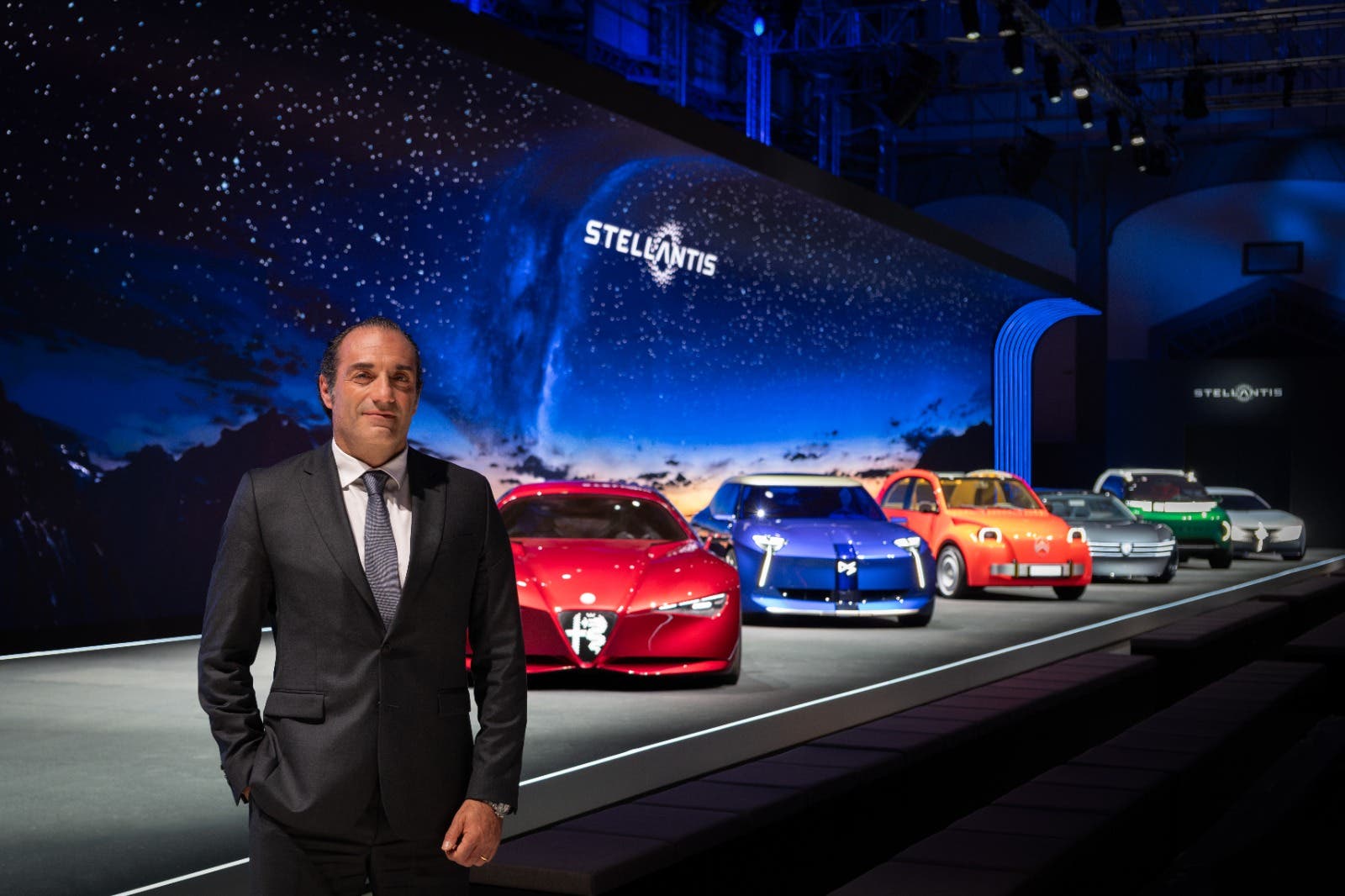
Stellantis CEO Antonio Filosa believes automakers already agree on roughly 90% of the issues under discussion. He also welcomed the growing alignment between France and Germany on emissions policy and European manufacturing, while calling for both sides to compromise on the remaining disagreements.
Filosa wants policymakers and manufacturers to reach those compromises quickly. Automakers must plan factories, investments and future models several years before they reach customers, which means regulatory uncertainty can directly affect industrial decisions made today.
The three groups therefore want Europe to provide a clearer framework that supports local production while giving automakers more flexibility over how they meet emissions targets. Their warning centers on the same concern: without predictable rules and enough room to adapt, Europe could make it harder for its own manufacturers to remain competitive while continuing to invest in the region.