

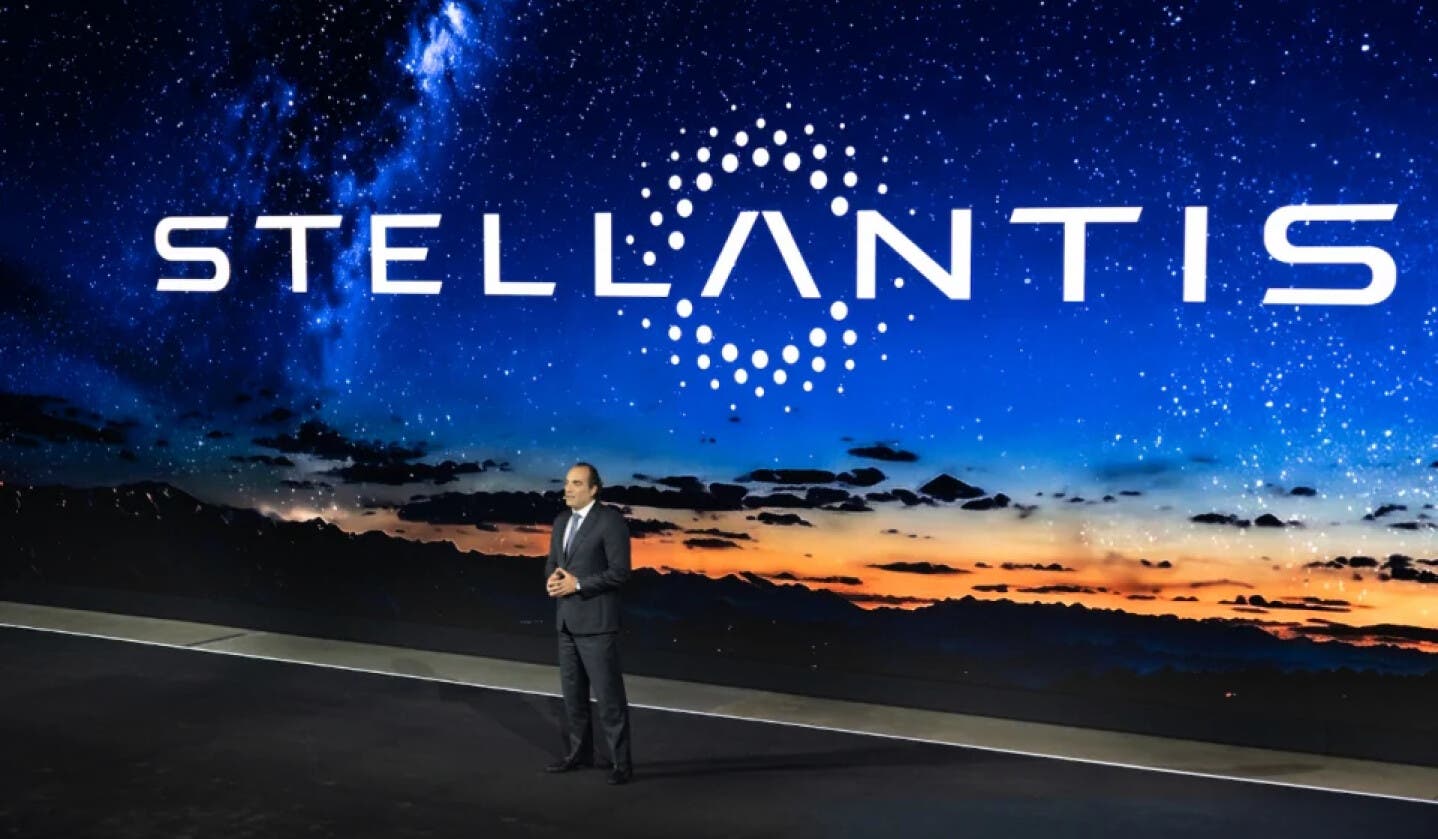
If you ever wondered whether a multi-brand automotive conglomerate could survive by simply collecting car labels like trading cards, Stellantis CEO Antonio Filosa is here to assure you that there is method to the corporate madness.
Speaking at the Paris Motor Show to Autonieuws.be, Filosa addressed the elephant in the room regarding whether Europe’s automotive giant is suffering from an identity crisis. Spoiler alert, absolutely not. According to Filosa, having a sprawling portfolio is not a liability. It is a masterclass in localized market colonization.
Brands like Opel in Germany and Vauxhall in the UK safeguard essential regional heritage that other group badges simply couldn’t touch without causing an international incident.
Naturally, sharing components under the skin allows Stellantis to maximize economies of scale while letting distinct historical identities pretend they are still fiercely independent. But while the brand lineup remains blissfully untouched, the powertrain playbook is undergoing a dramatic plot twist. Passenger car diesels are officially heading toward the corporate backburner, with Stellantis quietly tapering off investments in compression-ignition engines for everyday drivers.
Instead, the focus shifts toward plug-in hybrids, pure EVs, and “range-extender” solutions that mix battery tech with fuel-burning backups, though precise rollout dates remain tightly guarded corporate secrets.
Commercial vehicles, however, are getting a slight reprieve from this oil-burning exile. Filosa noted that because electric vans still cost a small fortune to operate relative to their diesel counterparts, the total cost of ownership keeps commercial oil-burners alive for a little longer.
Meanwhile, to prove that Stellantis cares deeply about its long-suffering customer base, Filosa bragged about unleashing over two thousand engineers dedicated purely to quality control and better warranties.
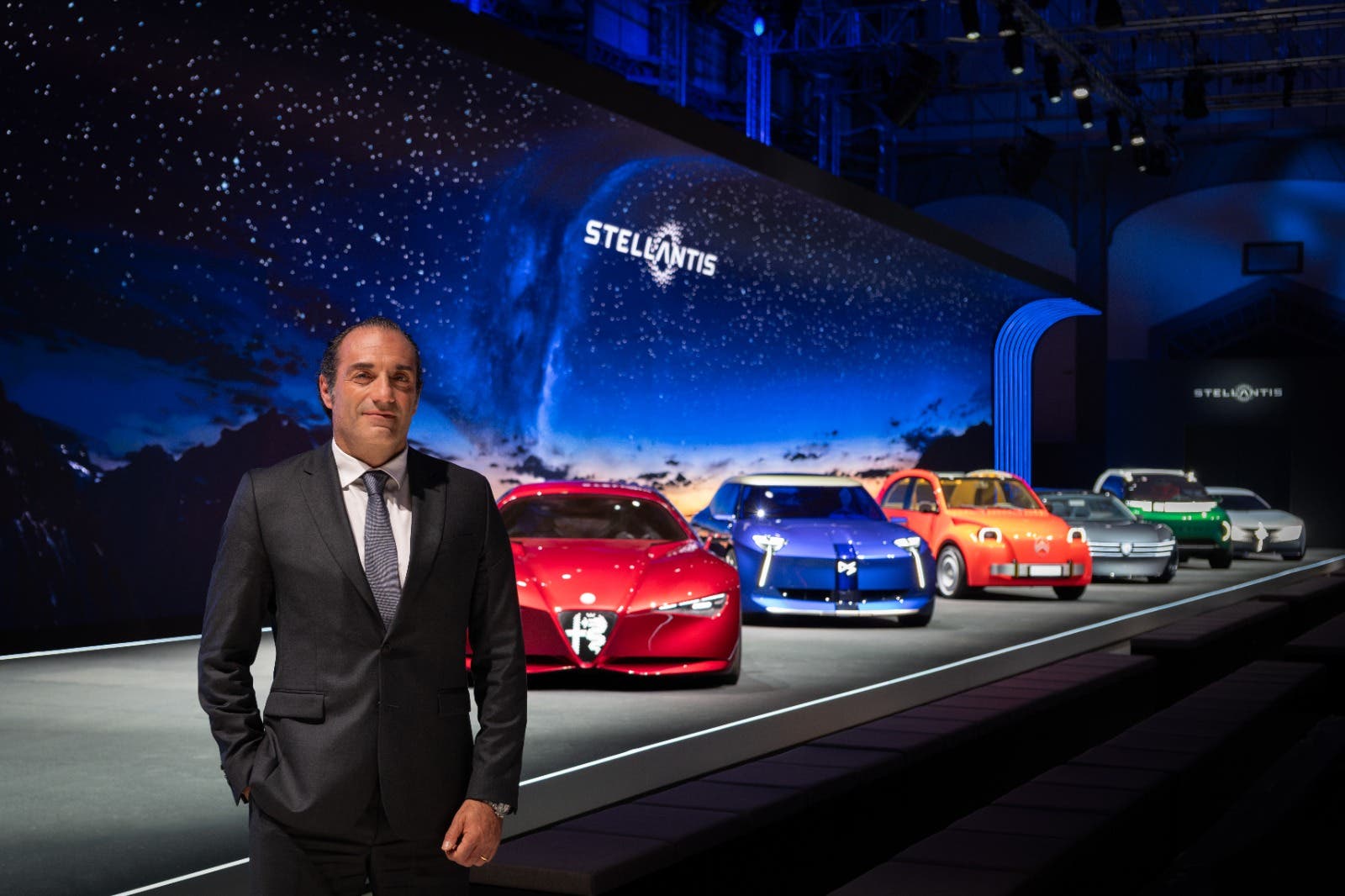
On the affordability front, the group is pinning its mass-market hopes on an upcoming electric Citroën 2CV concept slated for late 2027 production, which aims for a wallet-friendly €15,000 price point using a modular platform meant to spawn multiple group siblings.
Whether these budget-friendly electric dreams actually materialize without costing a limb remains to be seen, but at least Filosa is keeping Paris show-goers entertained with steer-by-wire tech and concepts like Alfa Romeo’s Cuorerosso.