

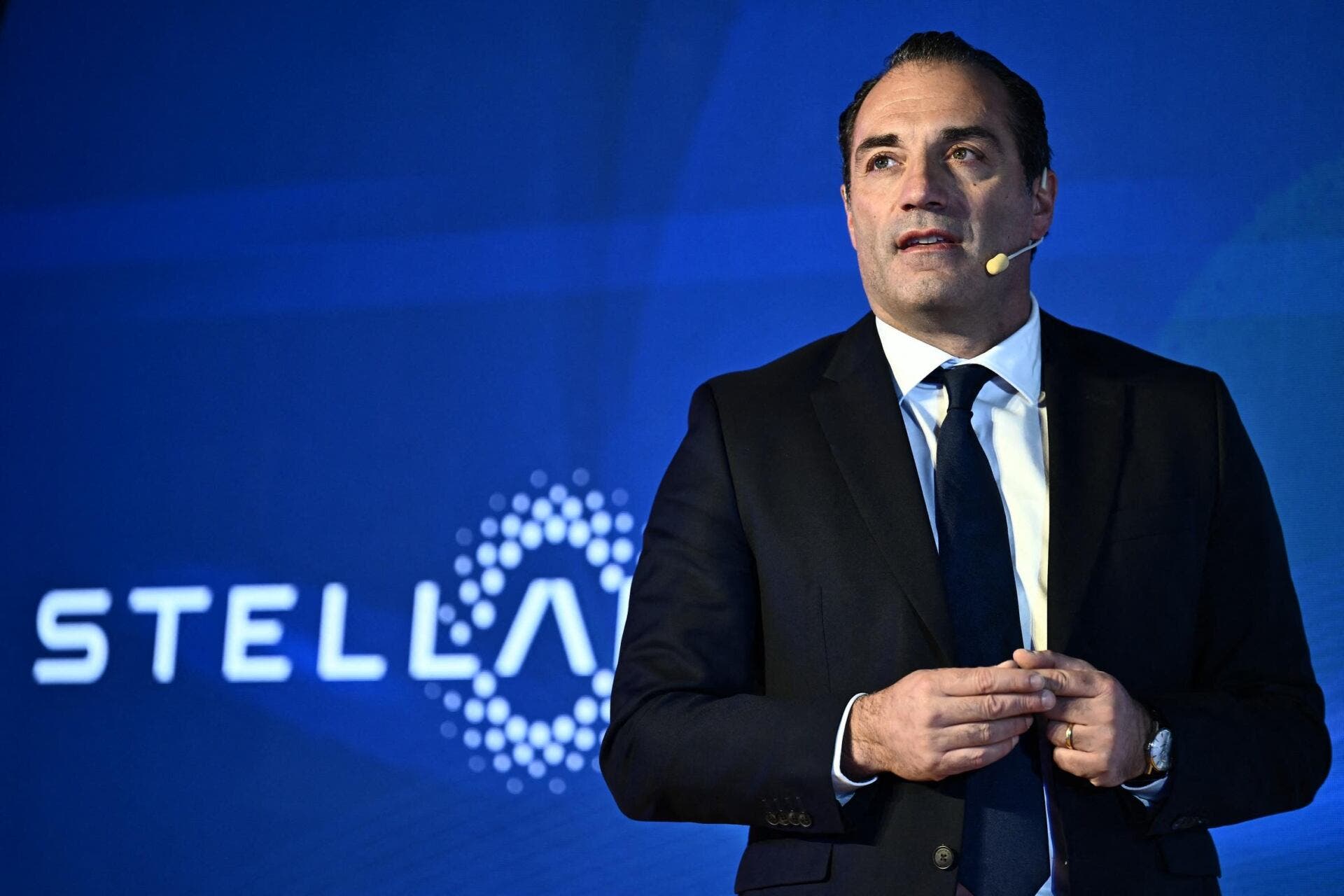
Antonio Filosa expects the United States to gradually move toward electrification, but he believes the transition will take longer than in other regions. Speaking at the Paris Automotive Summit, the Stellantis CEO said EVs account for about 7% of US vehicle sales in 2026, a share that he described as unchanged from five years ago. Stellantis is therefore adjusting its plans to a market where customers continue to favor other powertrains.
Stellantis CEO says EVs will grow in the US, but customers will set the pace

Filosa attributes some of the industry’s earlier EV expectations to pressure from federal regulations. After policymakers relaxed those rules, he said, customers showed a stronger preference for other propulsion technologies. That shift does not mean Stellantis intends to abandon battery-electric vehicles. Instead, the company expects the US transition to follow a different timeline and reach different volumes than in Europe.
Filosa highlighted range-extended electric vehicles as one technology attracting growing interest in the United States, particularly for large SUVs and pickups. Electric motors drive the wheels, while an internal-combustion engine powers a generator when the vehicle needs additional range. Drivers can charge the battery from an outlet and refuel with gasoline on longer trips, a combination that could prove particularly useful for towing and long-distance travel.
Ram plans to use this approach in the 1500 REV, a range-extended electric pickup that has not yet reached customers. The truck uses a 92-kWh battery and Ram estimates a total driving range of up to 690 miles when combining battery energy with fuel for the onboard generator.
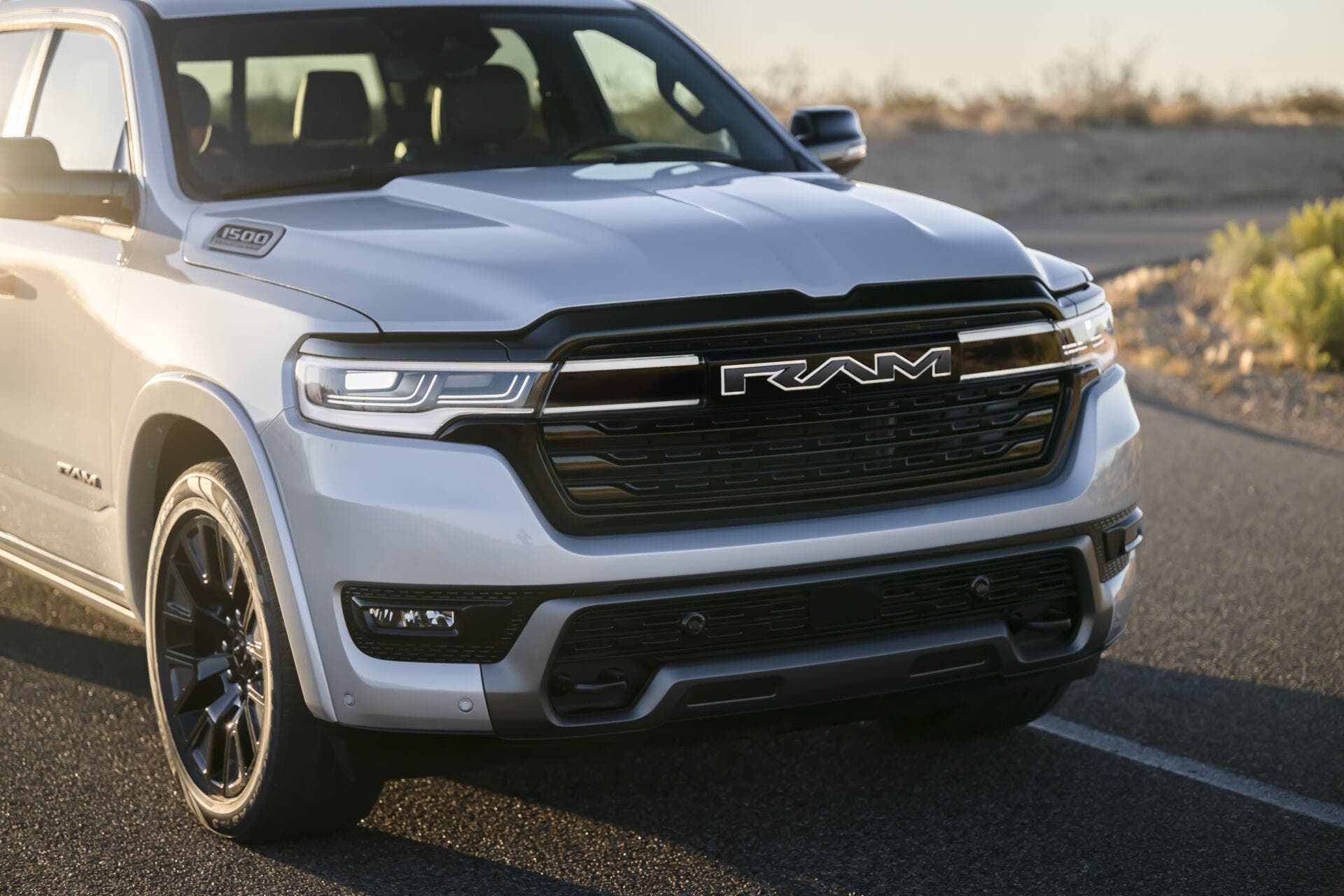
The 2027 Ram 1500 REV uses a 3.6-liter Pentastar V6 solely to generate electricity, while electric drive modules power the wheels. Ram has yet to provide final real-world range figures, so the 690-mile estimate will still need independent validation once production trucks reach the road.
Filosa connects these product decisions with a broader transformation of the global auto industry. New tariffs and trade barriers are making markets increasingly regional, forcing global automakers to adapt their products to local customer preferences and regulations.
At the same time, partnerships can help companies share technology and development costs without forcing them to offer identical vehicles in every region. Filosa sees that approach as increasingly important as software, electrification and other technologies reshape the industry.
Stellantis still plans to develop fully electric vehicles alongside hybrids, range-extended models and conventional combustion-powered cars. Its FaSTLAne 2030 strategy gives regional operations more freedom to decide which technologies best suit their customers.
Filosa believes EV adoption will eventually accelerate in the United States. However, he expects customer demand rather than regulation to determine the speed and scale of that transition.