

The iconic Italian Trident is apparently taking a detour through Anhui province, proving that even legendary automotive heritage isn’t immune to a little Sino-Tech marriage of convenience. According to recent reports surfaced on November 9, 2026, by Chinese outlet Yicai, we’ll see soon exterior design already wrapped up for a secret electric vehicle effort internally codenamed “Maserati Design”. The joint venture, which brings together Stellantis’ luxury icon Maserati, tech giant Huawei, and automaker JAC, is eyeing the fourth quarter of 2027 to take concrete strides toward mass production.
This development confirms whispers first floated by Reuters and formally acknowledged in a JAC regulatory filing back in late September. At the time, JAC played coy, claiming exact terms were far from finalized. Now, industrial progress seems hurtling forward, even if nobody sounds entirely sure which vehicle resulted actually styled.
Earlier rumors pointed to two distinct electric platforms, a flagship grand tourer and a mid-to-large luxury SUV, with the GT previously tipped as the lead candidate for market entry. Whether the completed exterior belongs to a low-slung, tarmac-scraping GT or a high-riding suburban cruiser remains one of Modena’s worst-kept secrets.
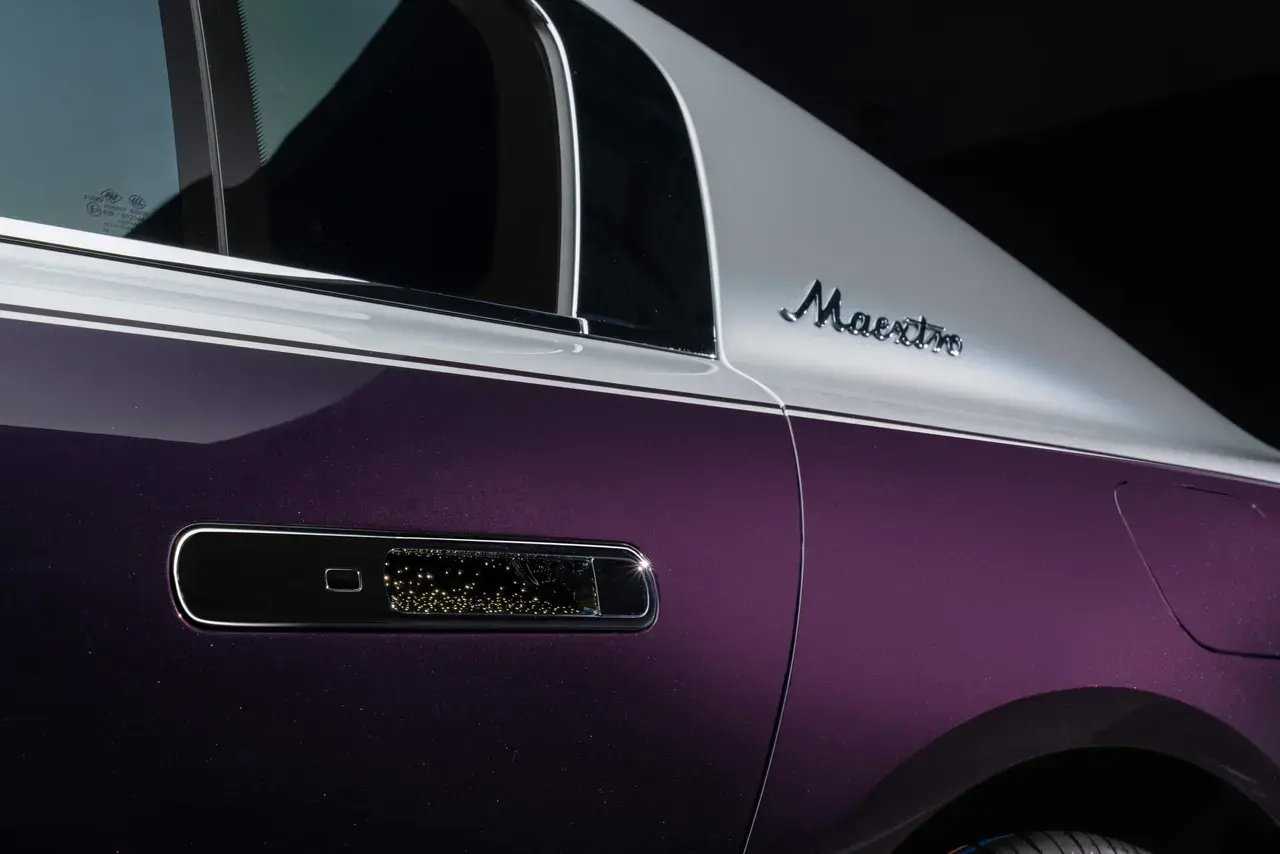
Under the proposed arrangement, JAC will handle assembly at its Hefei plant, while Huawei bakes in its software architecture and digital cockpit magic. The domestic Chinese market will reportedly get the vehicle badged as Maextro, Huawei and JAC’s high-end luxury brand, while global buyers will receive the exact same hardware wrapped in traditional Maserati prestige.
Though official ink has yet to dry on a final contract, previous leaks hinted that raw chassis shells assembled in China might result shipped back to Italy for final trim and badging to keep the “Made in Italy” cachet intact.
All eyes now turn to Modena for “Maserati Day” on December 10, where Stellantis plans to outline the Trident’s overall strategic roadmap. That executive showcase should finally clarify how Italian factory floors will fit alongside this Chinese manufacturing alliance, and whether traditional petrol-heads should start brushing up on their Mandarin.