

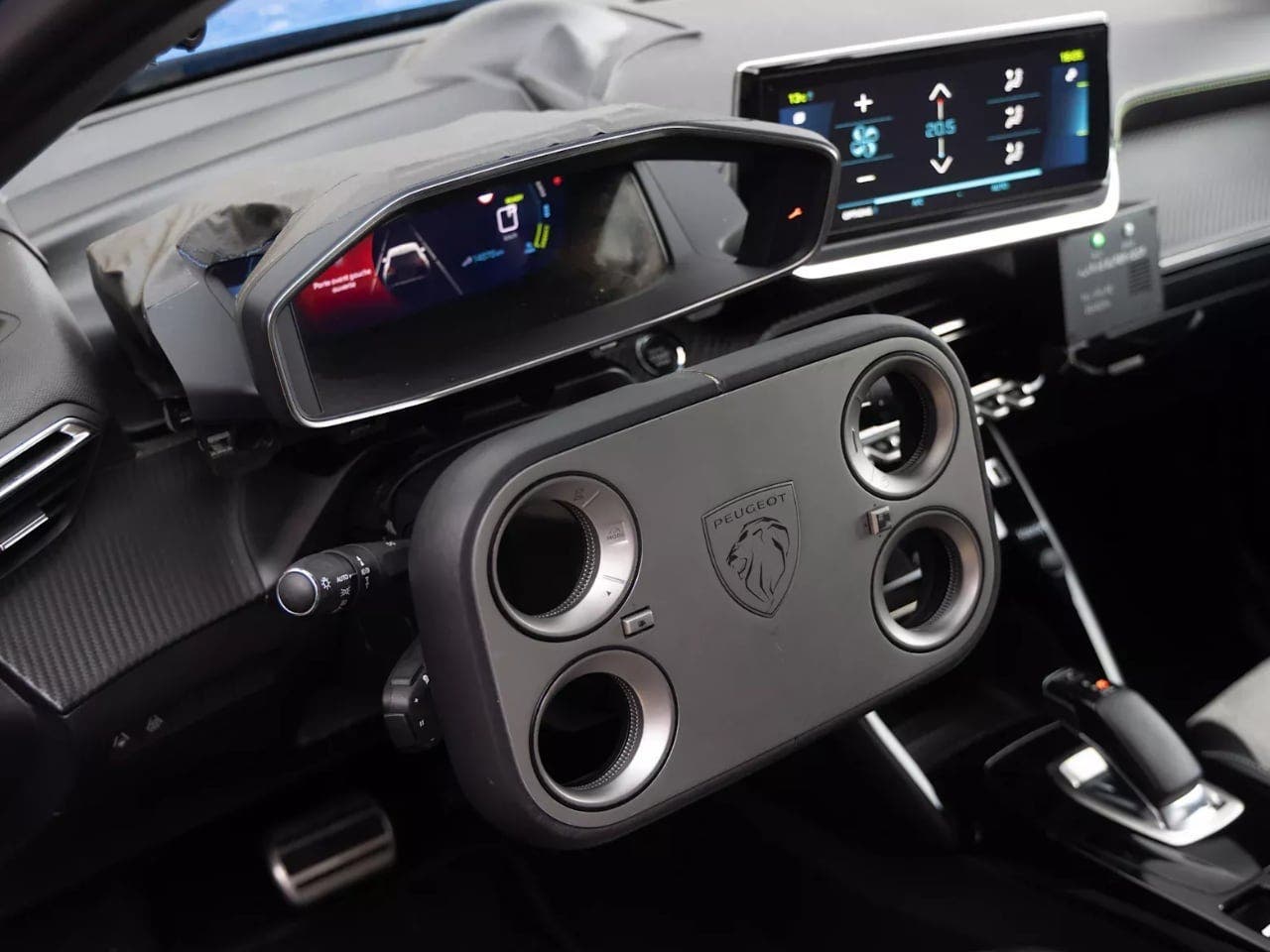
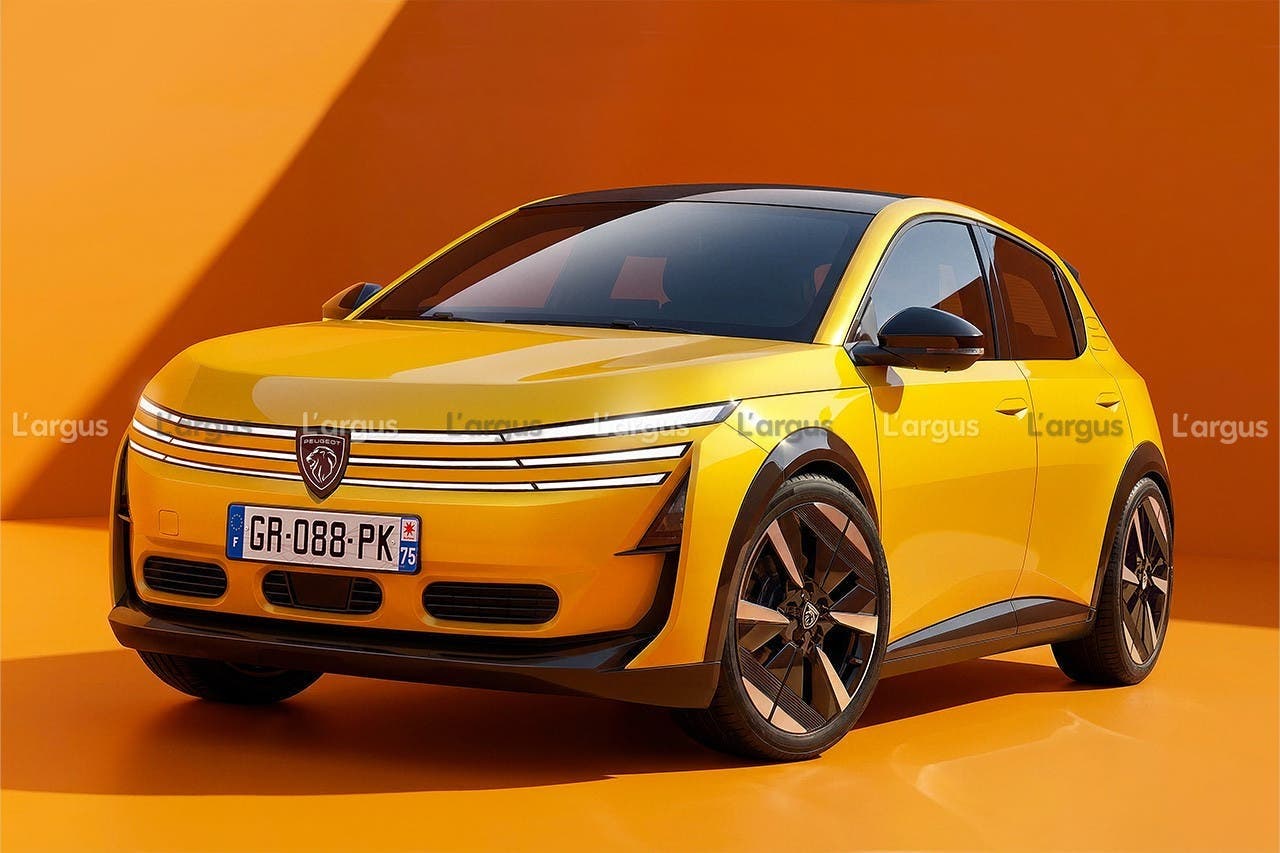
At low speeds, the next Peugeot e-208 will require far less steering-wheel rotation, while at higher speeds the response will become more progressive. Electronics will manage that difference by varying the relationship between steering-wheel movement and the angle of the front wheels. The system will debut alongside Peugeot’s rectangular Hypersquare steering wheel on the new e-208, due in the second half of 2027 and expected to become the first of seven new models Peugeot plans to launch by 2030, according to L’Argus.
Peugeot e-208 to introduce rectangular Hypersquare wheel and electronic steering in 2027
In a steer-by-wire system, sensors detect the driver’s steering input and send the command to an electric motor that operates the steering rack. On the Polygon prototype, Peugeot showed that at low speeds the wheel needs no more than 170 degrees of rotation in either direction. In practical terms, drivers can complete a parking maneuver without changing their hand position. At higher speeds, software adjusts the ratio to make steering corrections more gradual.
Peugeot CEO Alain Favey expects dealership test drives to help customers understand how different the system feels on the road. In an interview with L’Argus, he said Peugeot has spent eight years developing the technology and has included a secondary control circuit that can take over if the primary system fails. Favey also sees electronic steering as a way to distinguish the e-208 from Chinese rivals through the way the car feels from behind the wheel.
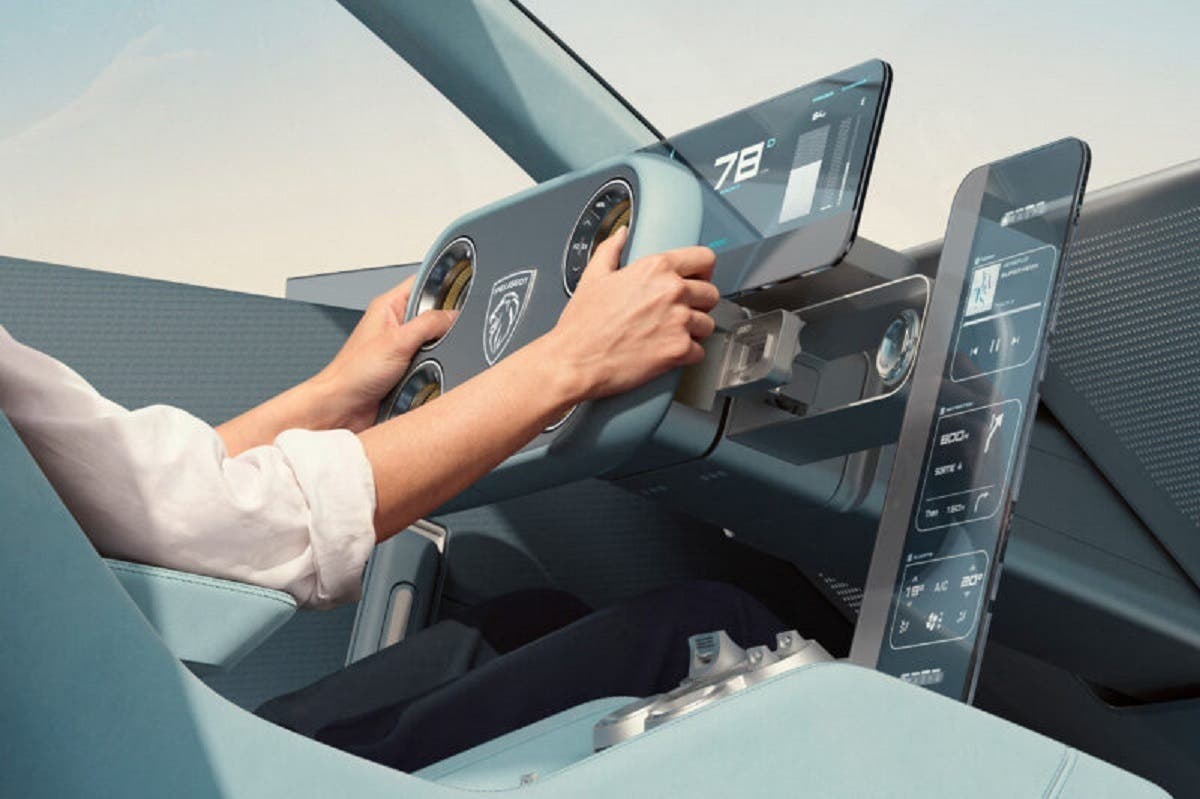
The E-T16, shown in Paris as a tribute to the 205 Turbo 16, already offers some clues about the rest of the car. Peugeot identified the front and rear lighting signatures and the instrument layout as elements that preview the next e-208. The RCZ Vision, displayed at the same show, already used the production version of the Hypersquare wheel planned for the compact model.
On the RCZ Vision, the solid-state battery pack developed with Factorial Energy measures just 110 millimeters thick. Reducing the pack’s vertical height helps preserve the low body profile of an electric coupe. Peugeot quotes 500 hp, up to 600 kilometers of range, and a 10-to-80% charging time of less than ten minutes thanks to a 1,000-volt electrical architecture.
The coupe also experiments with a central MicroLED display that becomes transparent when switched off, allowing the dashboard behind it to remain visible. Its brake-by-wire system uses electronic control to manage braking force and integrate it with energy recovery. According to L’Argus, however, Peugeot customers may have to wait until at least 2029 before technologies such as these or solid-state batteries reach a production model.