

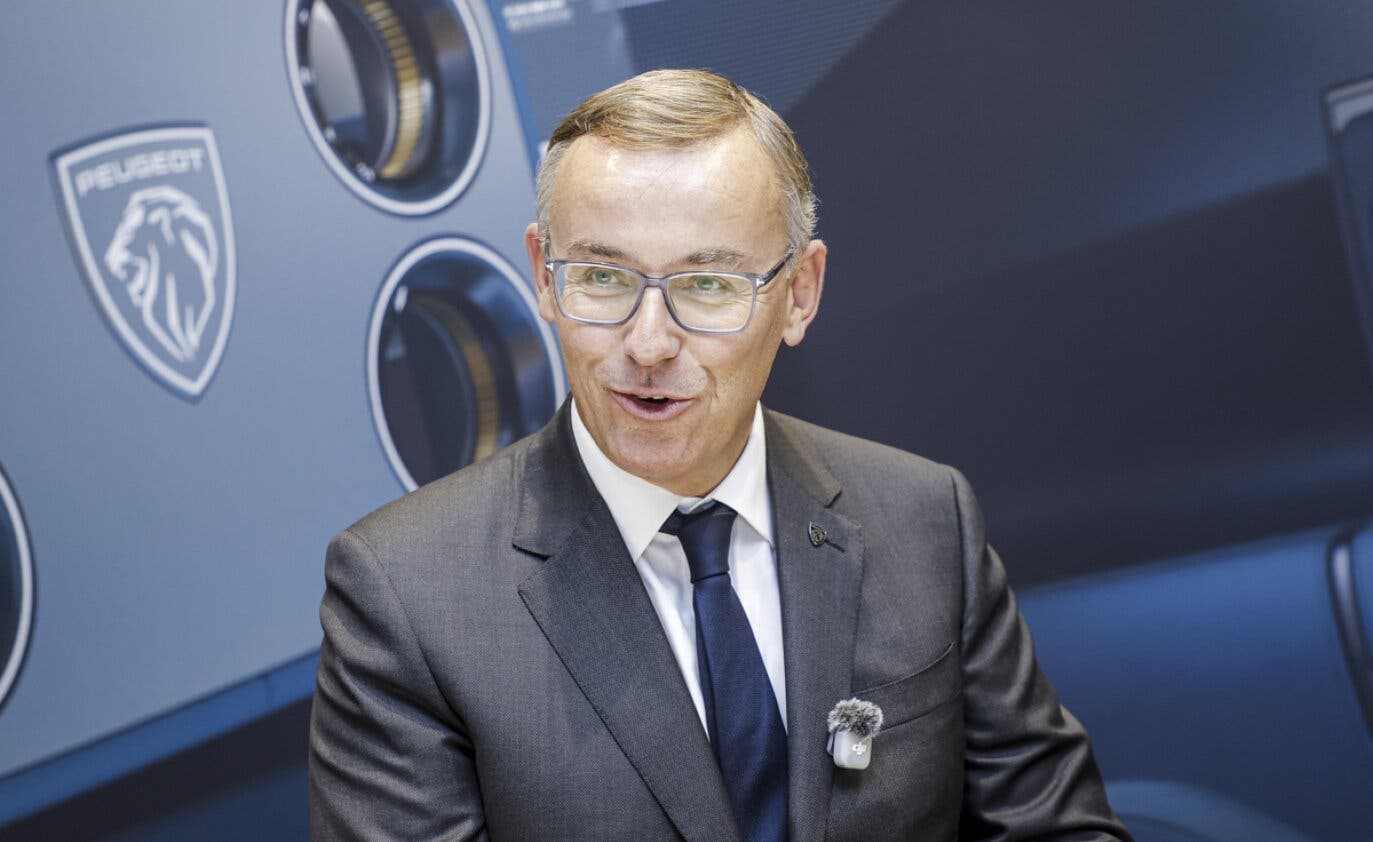
While Stellantis rolls out the red carpet for its Chinese partner, Peugeot has slammed the door shut with typical French flair. Speaking loud and clear at the Paris Motor Show, Peugeot brand chief Alain Favey delivered an unmistakable reality check: the iconic French brand has zero intention of developing European models using Leapmotor technology.
It was a blunt statement that surely raised eyebrows across the corporate hallways, especially considering the parent company’s massive investment in the Chinese EV maker.
Back in 2023, Stellantis poured nearly 1.5 billion euros into acquiring roughly 20% of Leapmotor. The move created Leapmotor International, a joint venture owned 51% by Stellantis, giving the conglomerate exclusive rights to produce and distribute Leapmotor vehicles outside China. The logic was clear: European assembly plants are running at anemic capacity levels averaging around 60%, and idle factories hemorrhage money.
Zaragoza serves as the primary example, where the B10 electric sedan is already assembled, and a new 4.50-meter Opel SUV positioned between the Frontera and Grandland will follow by 2028. For Opel, CEO Florian Huettl is embracing Chinese electronics, batteries, and supply chains while keeping Rüsselsheim in charge of tuning, steering, design, and seating.
Peugeot, however, is taking a drastically different approach to brand identity. Future iterations of the 208, 2008, 308, and a brand-new compact SUV slotted between the 2008 and 3008 will rely strictly on native STLA platforms without a single line of Leapmotor code or hardware. Favey framed the decision as a moral promise to buyers: driving a Peugeot in Europe means directly supporting the European economy, not outsourcing soul and software across oceans.
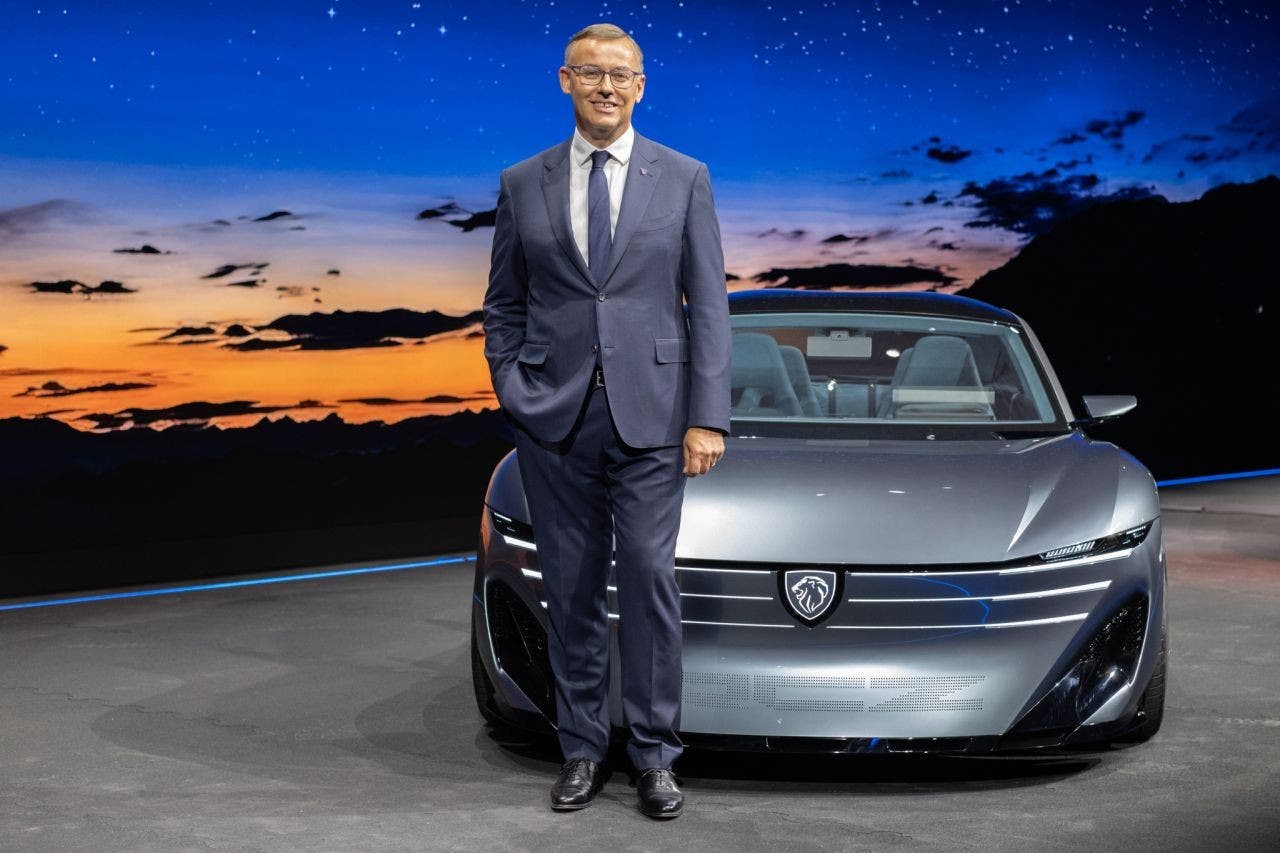
That proud European patriotism does have geographical limits, naturally. In China, Peugeot continues its long-standing partnership with Dongfeng, co-developing an electric wagon and exploring a large seven-seater SUV. But those projects will stay strictly local. For European consumers, the Lion prefers to keep its engineering pedigree pure, even if it means watching sibling brands take the high-speed, lower-cost Chinese shortcut.