

Nobody holds a grudge quite like Maranello, and nobody turns automotive vengeance into rolling art quite like Ferrari. After Ford humiliated the Prancing Horse at the 1966 24 Hours of Le Mans with a famous GT40 podium sweep, a rivalry later immortalized by Hollywood, Ferrari returned the favor in 1967 by staging a dramatic three-car photo-finish victory on American soil at the 24 Hours of Daytona.
When the 365 GTB/4 debuted at the 1968 Paris Motor Show, the world immediately nicknamed it the “Daytona” as a permanent souvenir of that triumph. While Ferrari built five lightweight aluminum-bodied examples strictly for racing, a sixth alloy car, chassis 12653, was custom-ordered for street use by Luciano Conti, a wealthy entrepreneur and close friend of Enzo Ferrari himself.
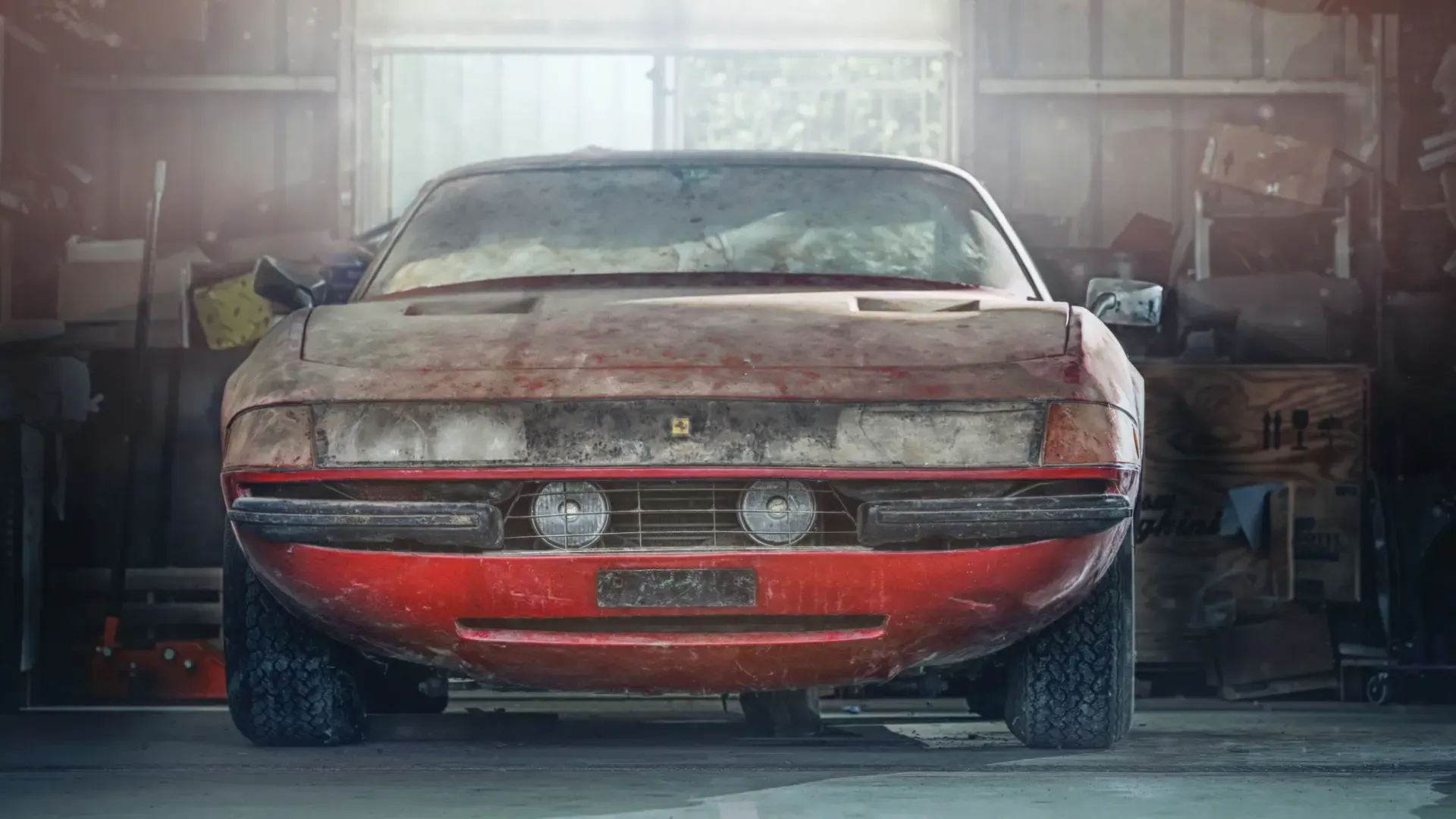
Unfortunately, romance rarely survives real-world logistics. Conti took delivery in 1969, grew bored of it within a year, and sold it off. By 1971, this irreplaceable piece of automotive history landed in Japan, where a catastrophic gearbox failure proved impossible to fix locally. Rather than shipping it back to Italy, someone simply parked it and walked away, leaving a one-of-one alloy Ferrari to gather dust, rust, and humidity for an astonishing 37 years.
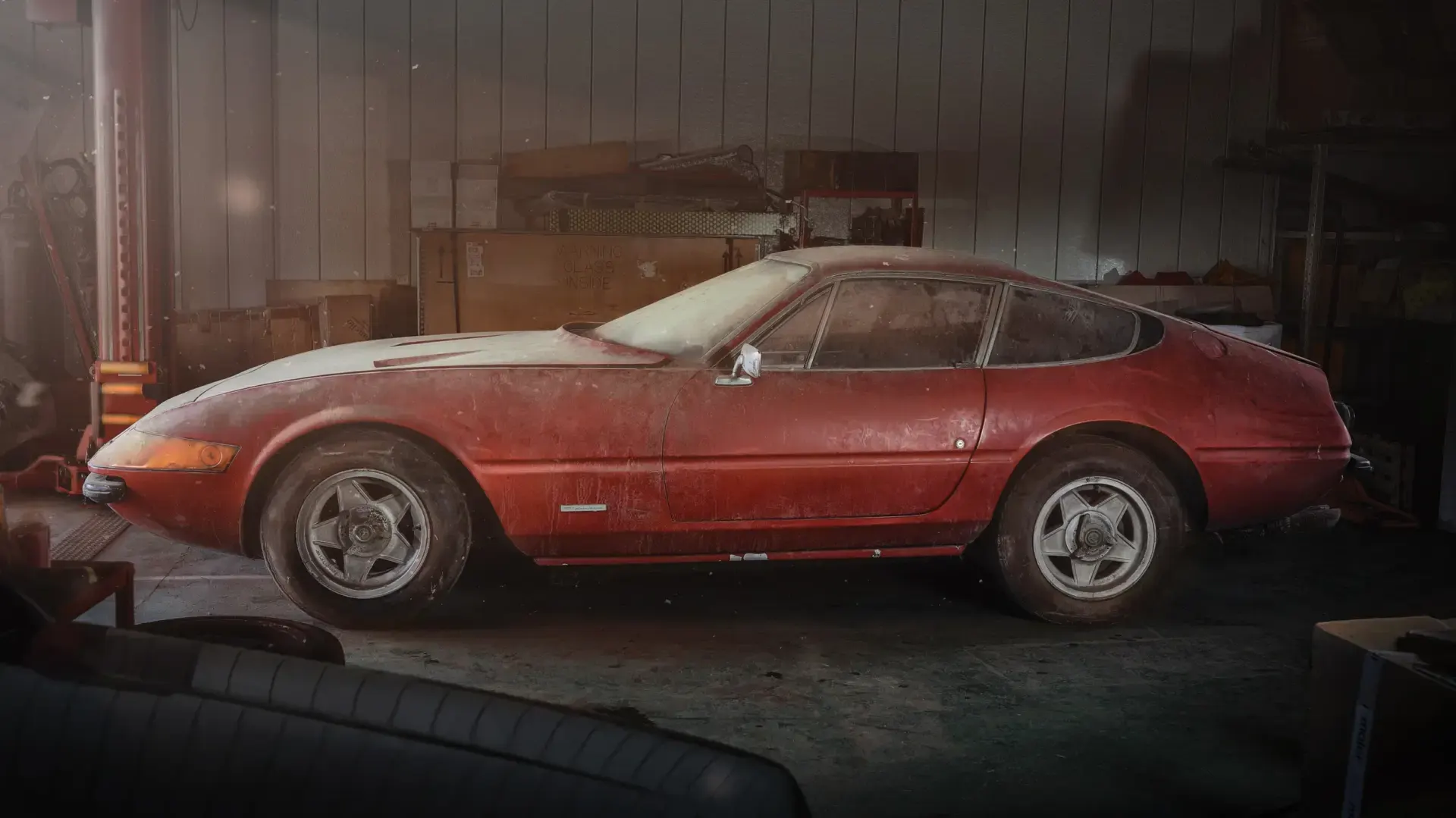
When chassis 12653 finally resurfaced in 2017 in classic barn-find condition, logic went straight out the window. A Danish collector stepped up at an RM Sotheby’s auction that September and dropped €1,807,000 on what was essentially a very expensive paperweight, albeit one with impeccable royal bloodlines.
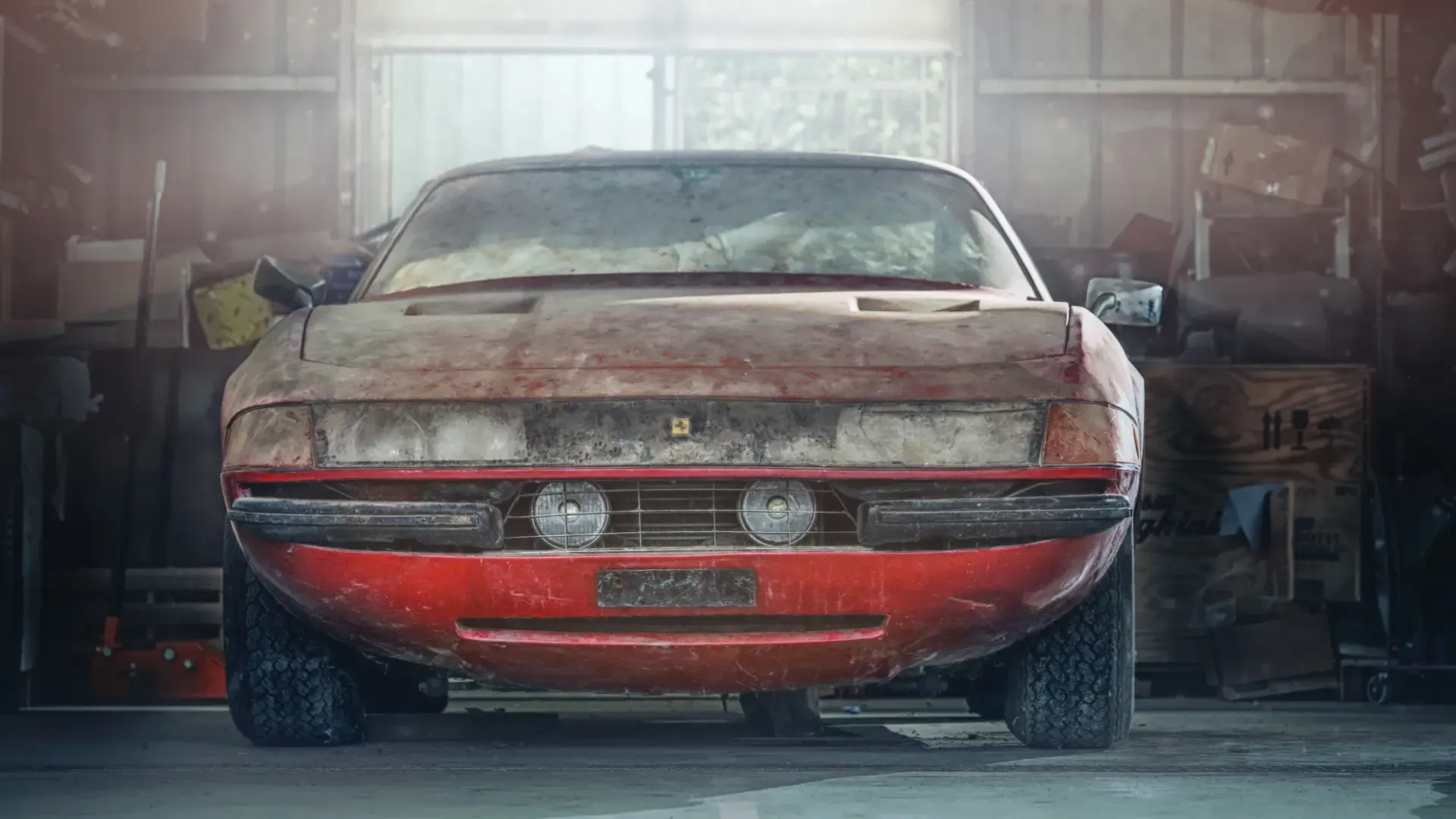
By 2023, the car returned home to Maranello, where the wizards at Ferrari Classiche spent 20 painstaking months disassembling every bolt and restoring the vehicle to factory-fresh perfection. Miraculously, despite nearly four decades of questionable storage, every single original component was still intact, allowing the reborn coupe to dazzle judges at the Cavallino Classic Modena earlier this year.
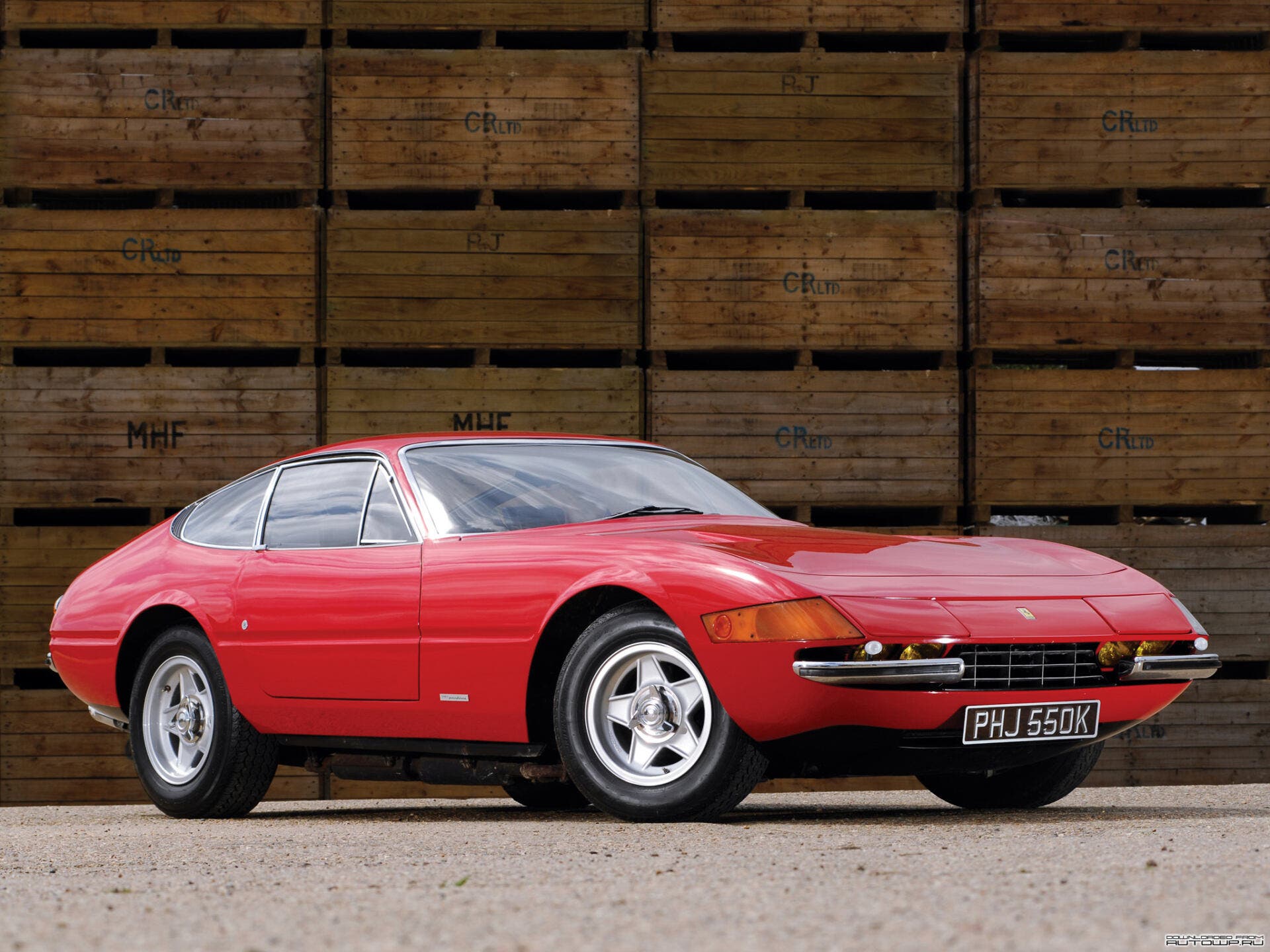
Beneath that lightweight aluminum skin, the Daytona remains Ferrari’s final front-engine flagship supercar before the brand pivoted to mid-engine layouts. Its 4.4-liter V12 pumps out 347 HP, but chassis 12653 enjoys a distinct weight advantage over standard steel-bodied Daytonas thanks to its racing-derived alloy panels, all while skipping the flared wheel arches used on track cars.
Meanwhile, the Daytona legacy refuses to gather dust in the archives, returning to Ferrari’s lineup in 2021 with the limited-production Daytona SP3 Icona.