

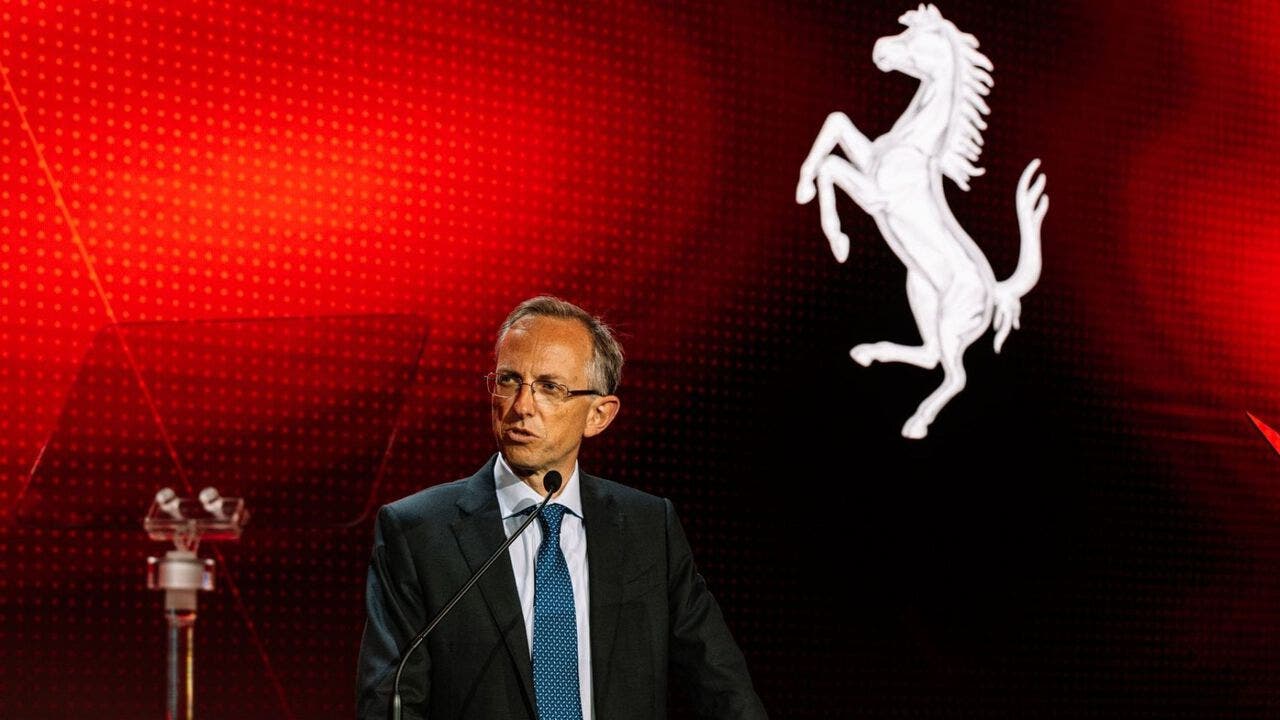
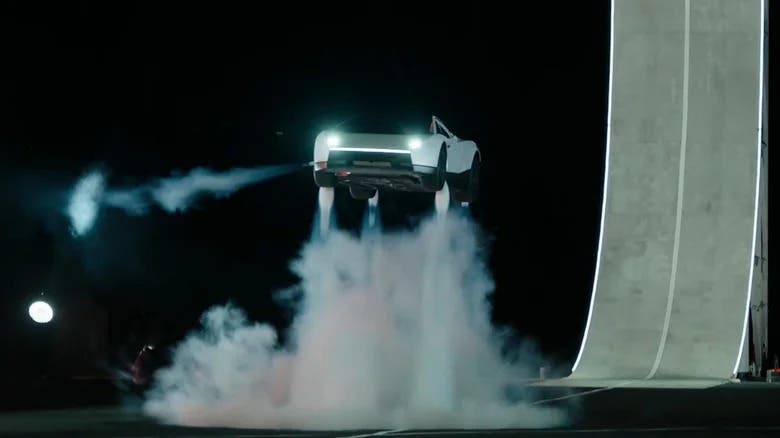
Benedetto Vigna gave the new Tesla Roadster two 10-out-of-10 scores, one for technology and one for communication, while thanking Elon Musk for showing how much room still remains for innovation in the automotive industry. The Ferrari CEO said Tesla demonstrated the power of presenting an unexpected idea in a mature industrial sector. Vigna called the event sensational and encouraged carmakers to keep imagining new products instead of assuming that the industry has already exhausted its opportunities for change.
Ferrari CEO applauds Elon Musk’s Tesla Roadster presentation
The executive applies the same principle to Ferrari projects, where experimentation also means accepting the possibility of stopping an initiative. He recalled that Ferrari launched 147 innovation projects in 2022 and later discontinued 47 because they lacked the economic, industrial or emotional conditions required to continue.
According to Vigna, a project that comes with absolute certainty of success can hardly qualify as truly innovative. Accepting mistakes forms part of the research process, provided that companies use those experiences to decide which ideas deserve further development and which ones they should abandon.
Ferrari’s first electric model, the Luce, fits into this approach and into the decision to work with outside expertise. Ferrari developed the cabin with LoveFrom, drawing on the contributions of Jony Ive and Marc Newson. Vigna acknowledges that Ferrari would have reached a different result if it had worked alone.
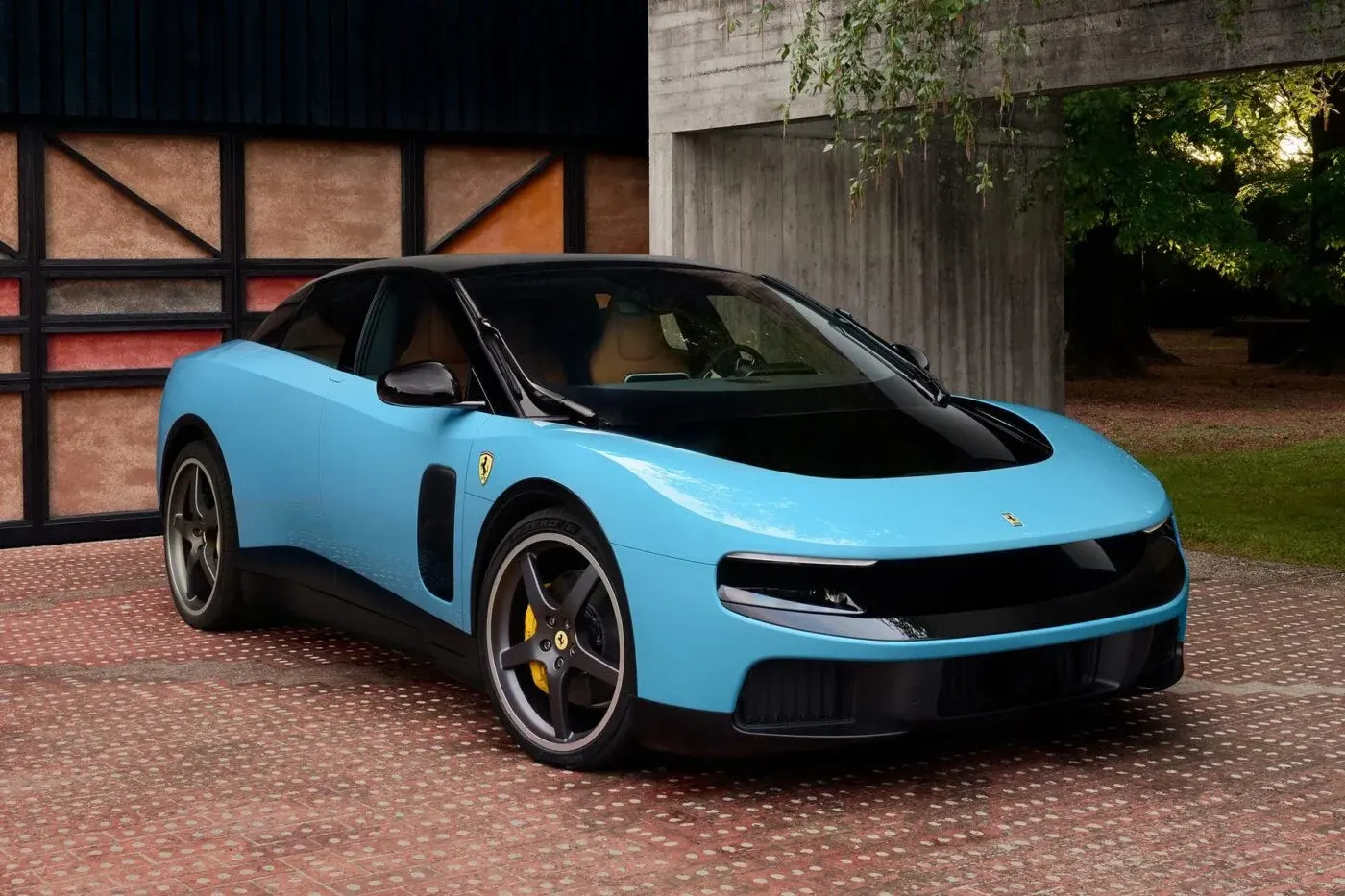
Bringing together different backgrounds allowed the teams to address questions Ferrari’s internal group might otherwise have left unexplored. Vigna admits that new solutions can initially face resistance, but he considers that reaction a natural part of the process when working with external designers.
The principles behind this development strategy include studying emerging trends without preconceived positions and making use of accumulated expertise. Ferrari also wants to challenge established habits and pay attention to needs that customers have not yet expressed.
Vigna points to the reduction of unnecessary screens and the return of tactile controls as one example of this approach. To find new ideas, he also spends time at factories, talks with employees and meets customers personally in different markets. Reading and setting aside time for reflection complete a method that Vigna contrasts with the constant pressure to pursue digital efficiency alone.