

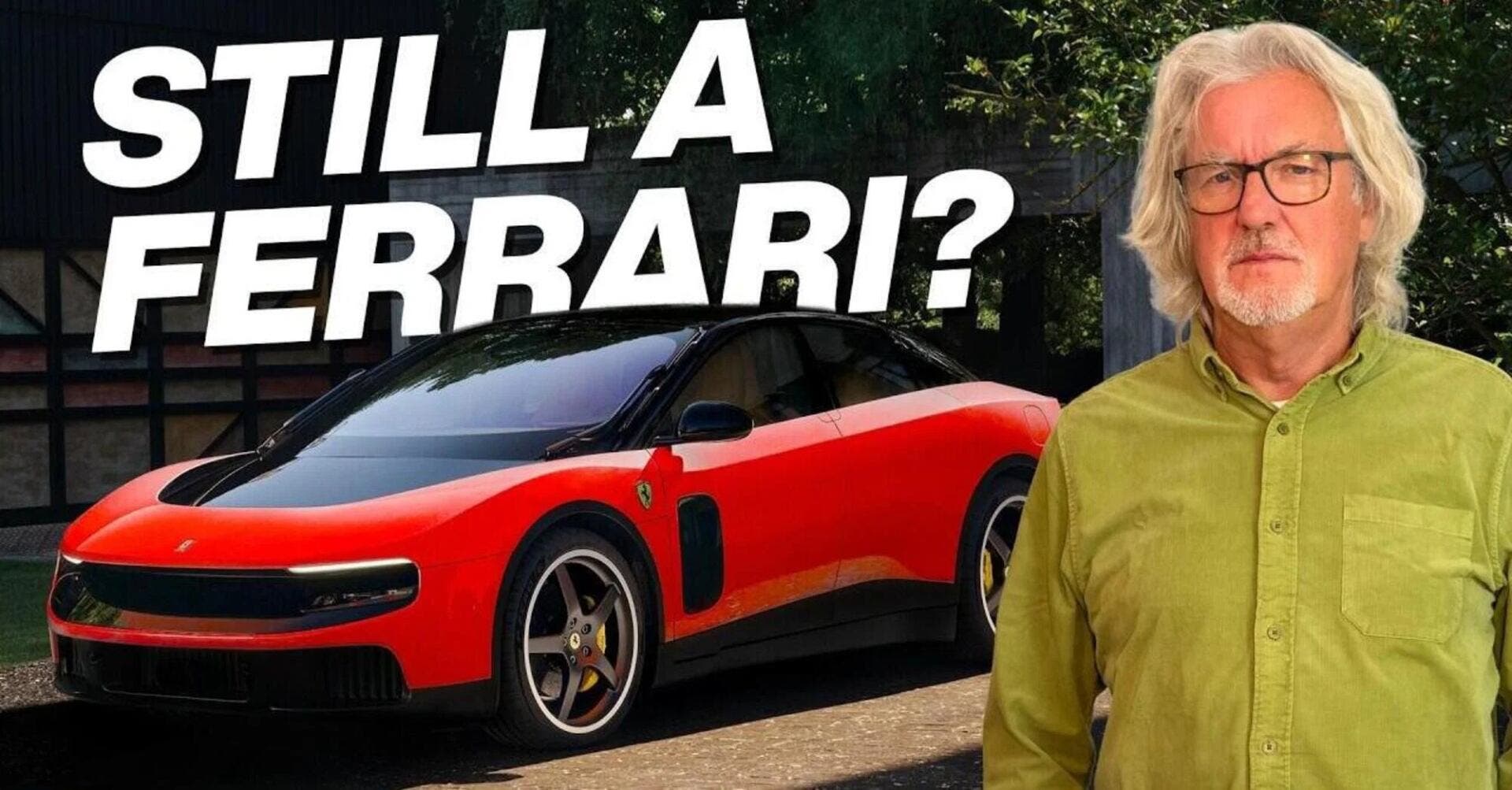
The Ferrari Luce could play an important role in the future of the Prancing Horse, even though it moves away from the qualities that made the brand’s sports cars famous. James May defended Ferrari’s decision to develop an electric model during a Q&A session on his YouTube channel, arguing that the project could even become necessary for the brand’s long-term survival.
Ferrari Luce could become essential for the Prancing Horse, James May says
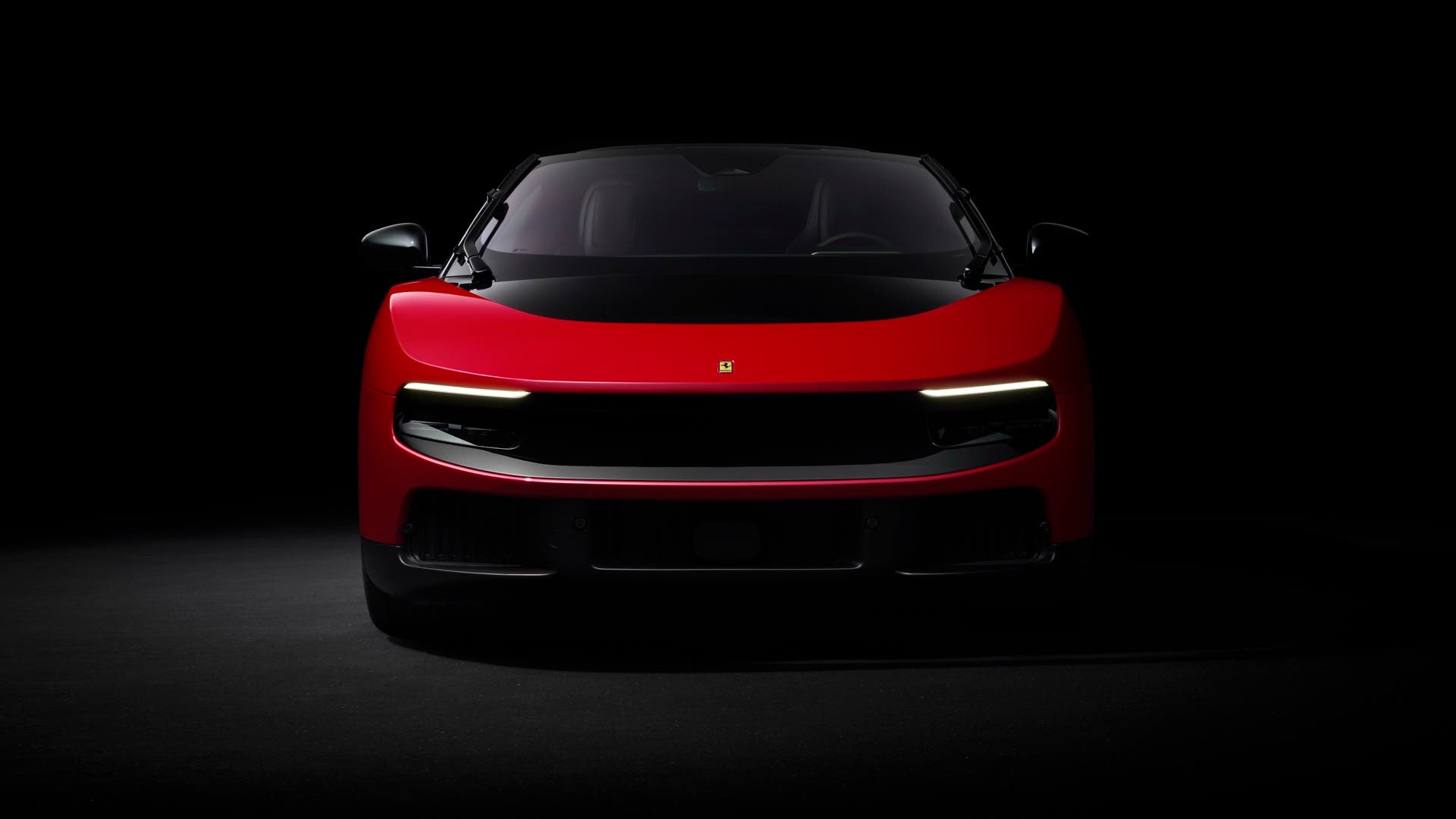
The former Top Gear and The Grand Tour presenter imagines a customer base interested in technology and willing to look for different qualities in a Ferrari beyond engine sound. The appeal could come from the car’s design, materials, cabin atmosphere and exclusivity, preserving the desire to own a Ferrari even with an electric powertrain.
His argument therefore focuses on the possibility of reaching buyers with different expectations from enthusiasts who remain more attached to traditional engines. For those customers, May believes the qualities associated with Ferrari can remain desirable even when the technology that powers the car changes.
Ferrari’s Centro Stile and LoveFrom, the collective founded by former Apple designer Jony Ive and Marc Newson, developed the Luce together. The project adopts a direction far removed from the brand’s traditional shapes and places particular emphasis on the cabin, where leather, aluminum and Gorilla Glass feature prominently. A greater focus on interior space also supports an approach aimed at a different type of use from Ferrari’s more traditional sports cars.
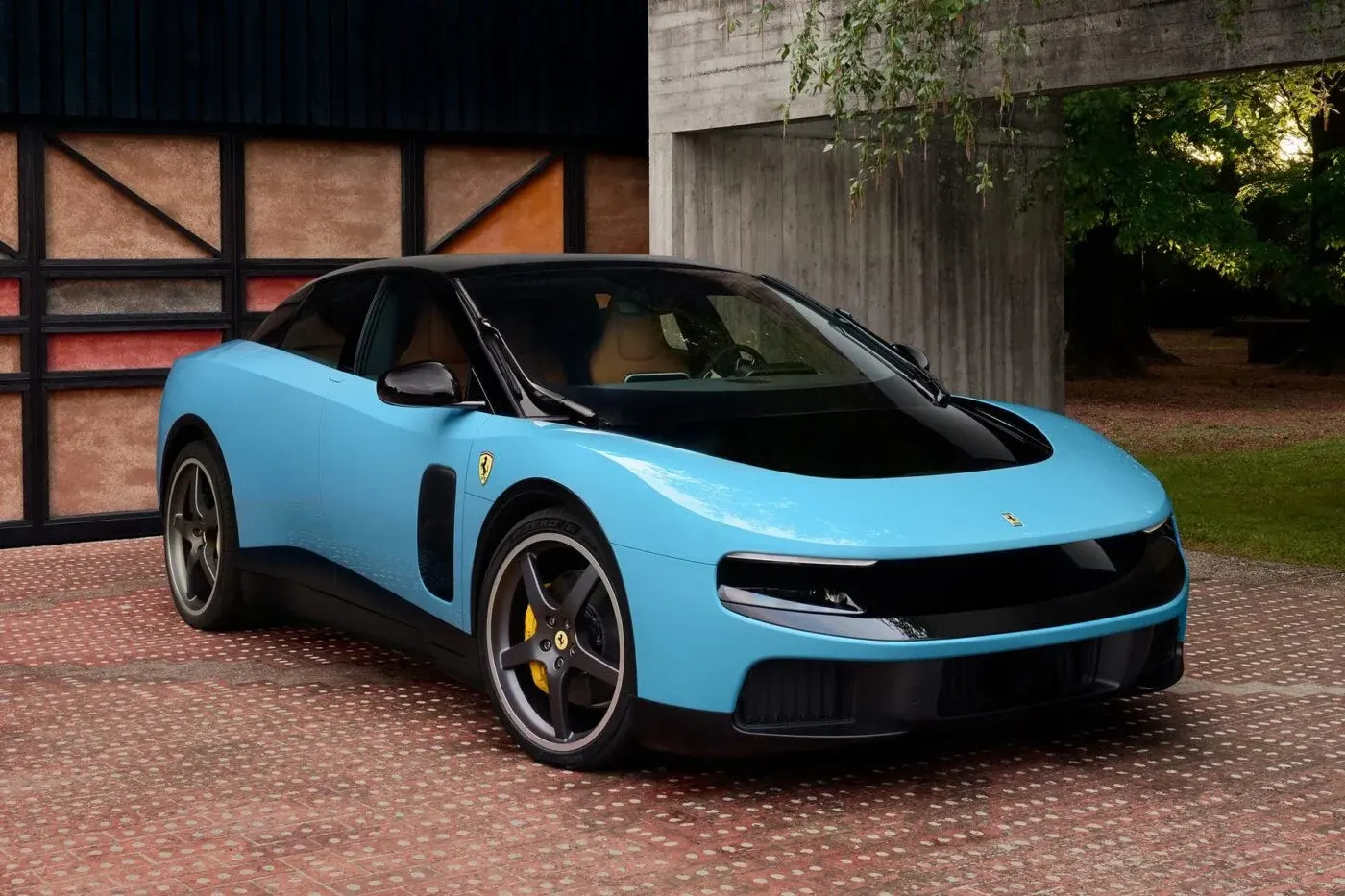
The Luce has also attracted criticism, including comments from former Ferrari chairman Luca Cordero di Montezemolo. May approached the debate from the relationship between Ferrari and innovation, rejecting the idea that the company should simply preserve what it created in the past.
To support his view, he referred to Enzo Ferrari and described him as someone focused on progress, ready to replace outdated solutions with more modern ones. In May’s interpretation, turning Ferrari into a business built mainly around nostalgia would therefore sit poorly with the founder’s attitude.
May also recalled how little interest Enzo Ferrari showed in preserving things he considered obsolete, even saying that the survival of some of his earliest cars seems surprising. The presenter uses that historical precedent to argue that Maranello should remain open to experimenting with different technologies.
Finally, May challenged the frequent use of the word “soul” when people judge modern cars. He prefers to talk about mechanical character, meaning the qualities that make a car engaging, and considers it too simplistic to use the term without explaining which characteristics people actually value and which ones they believe have disappeared.