

Ferrari is officially dialing back the touchscreen obsession, proving that when you are piloting an Italian thoroughbred at triple-digit speeds, swiping through submenus is roughly as safe as juggling chainsaws.
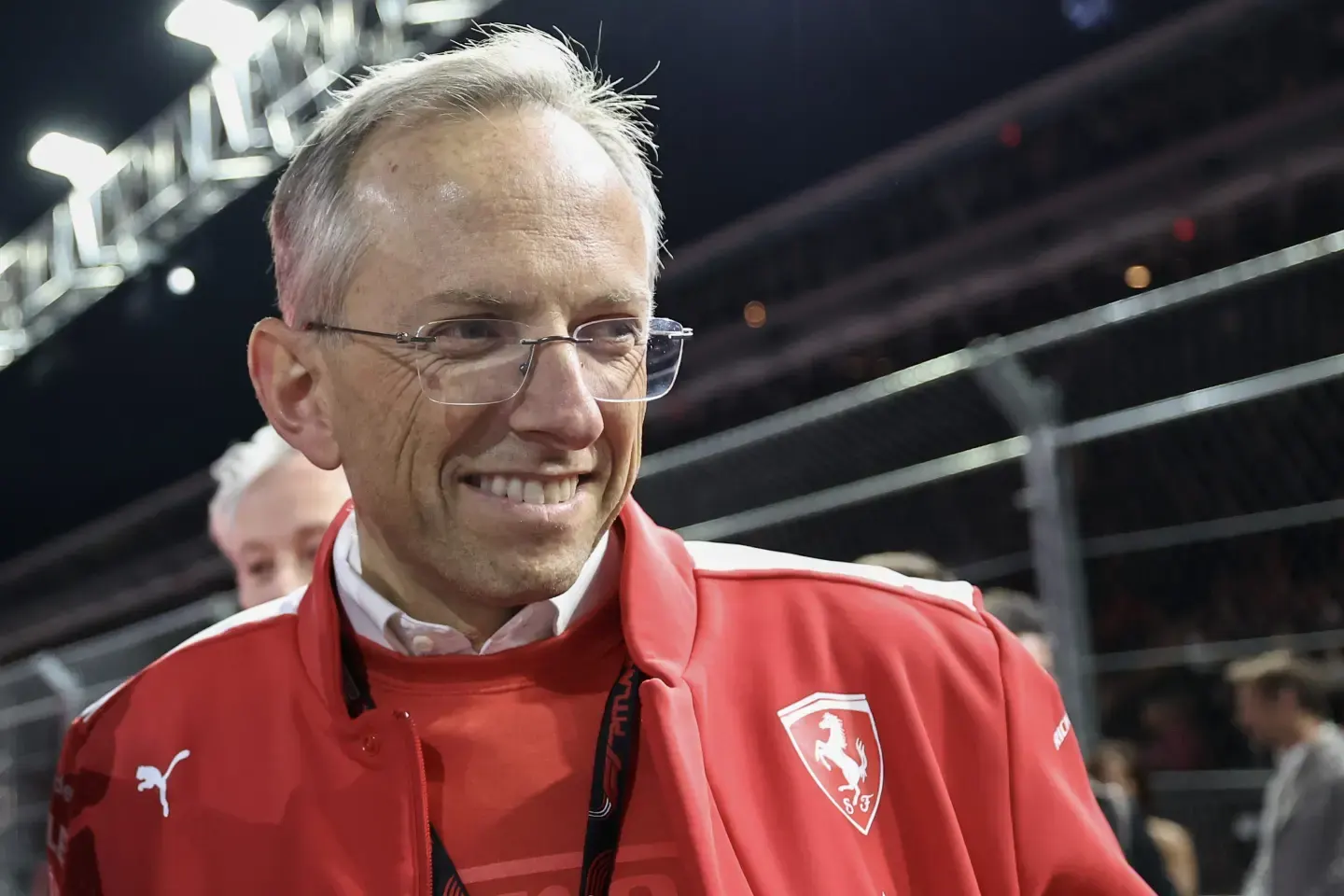
Speaking at the “Italy ON CHIPS” conference organized by the Chips-IT foundation, Ferrari CEO Benedetto Vigna firmly rejected the trendy automotive Silicon Valley mantra of building a “smartphone on four wheels.” According to Vigna, physical controls simply work better when you are actually driving, which is why Maranello is carefully curating which functions stay on screens, even as the brand steps into the electric vehicle era with its Luce project.
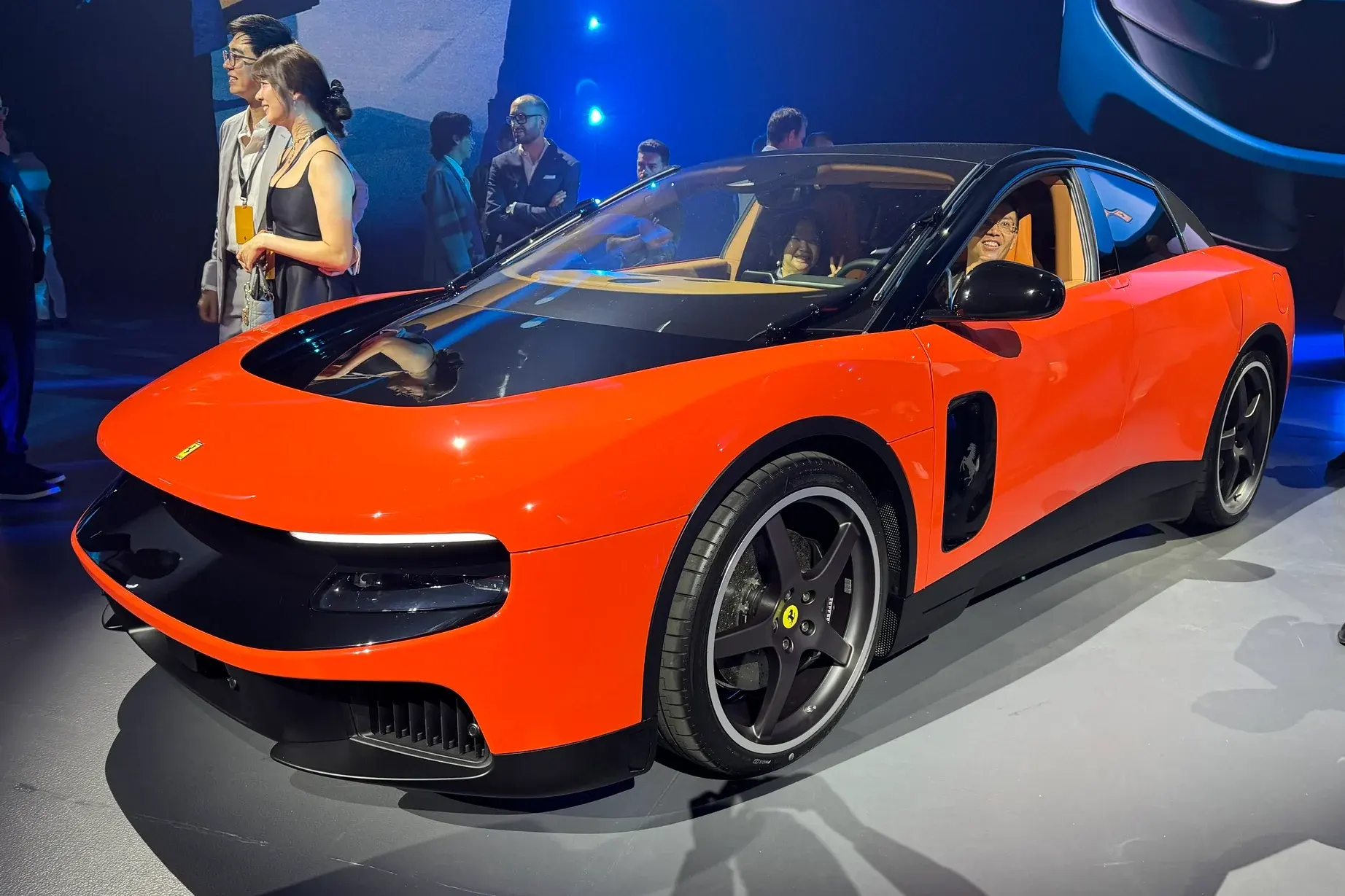
To illustrate this philosophy, Vigna contrasted two wildly different creations: the all-electric Luce and the manual-transmission 12Cilindri. While the Luce represents a bold leap into unfamiliar electric propulsion for the Prancing Horse, bringing back a traditional gear lever and clutch pedal in the 12Cilindri completely transforms driver engagement. Vigna described this approach as “looking at the past with fresh eyes”. Before engineers even sketch a dashboard button, Maranello’s teams ask how a human hand will actually operate it behind the wheel.
The conference also brought Vigna back to his old stomping grounds in microelectronics, having spent years at STMicroelectronics developing MEMS (micro-electromechanical systems) used heavily in modern cars.
Turning his attention to Europe’s semiconductor strategy, the CEO did not mince words. He pointed out that while Europe is backing $86 billion worth of chip projects, the European Union itself funds just 5 percent, leaving individual member states to foot the rest of the bill. Vigna warned that fragmented national funding risks pitting European companies against each other in duplicate projects just as American and Chinese rivals turn up the heat.
With surging global demand for memory chips, Vigna argued that the European Chips Act’s target of capturing 20 percent of global production is already obsolete. Instead, he urged Europe to focus on becoming an indispensable supplier in specialized niches like power components, sensors, and mixed-signal circuits, highlighting STMicroelectronics’ silicon carbide hub in Catania, Italy, as a prime model.
As for the much-discussed electric vehicle slowdown, Vigna noted it must be viewed in perspective alongside the steady, long-term growth of battery-electric adoption across Europe.
Back home in Maranello, Ferrari is backing its engineering vision with a roughly 100-million-euro investment in education. In 2029, the automaker will open M-TECH (“Maranello Tech”), a new training school building on the legacy of the Alfredo Ferrari school in collaboration with universities, suppliers, and Motor Valley icons like Dallara.