

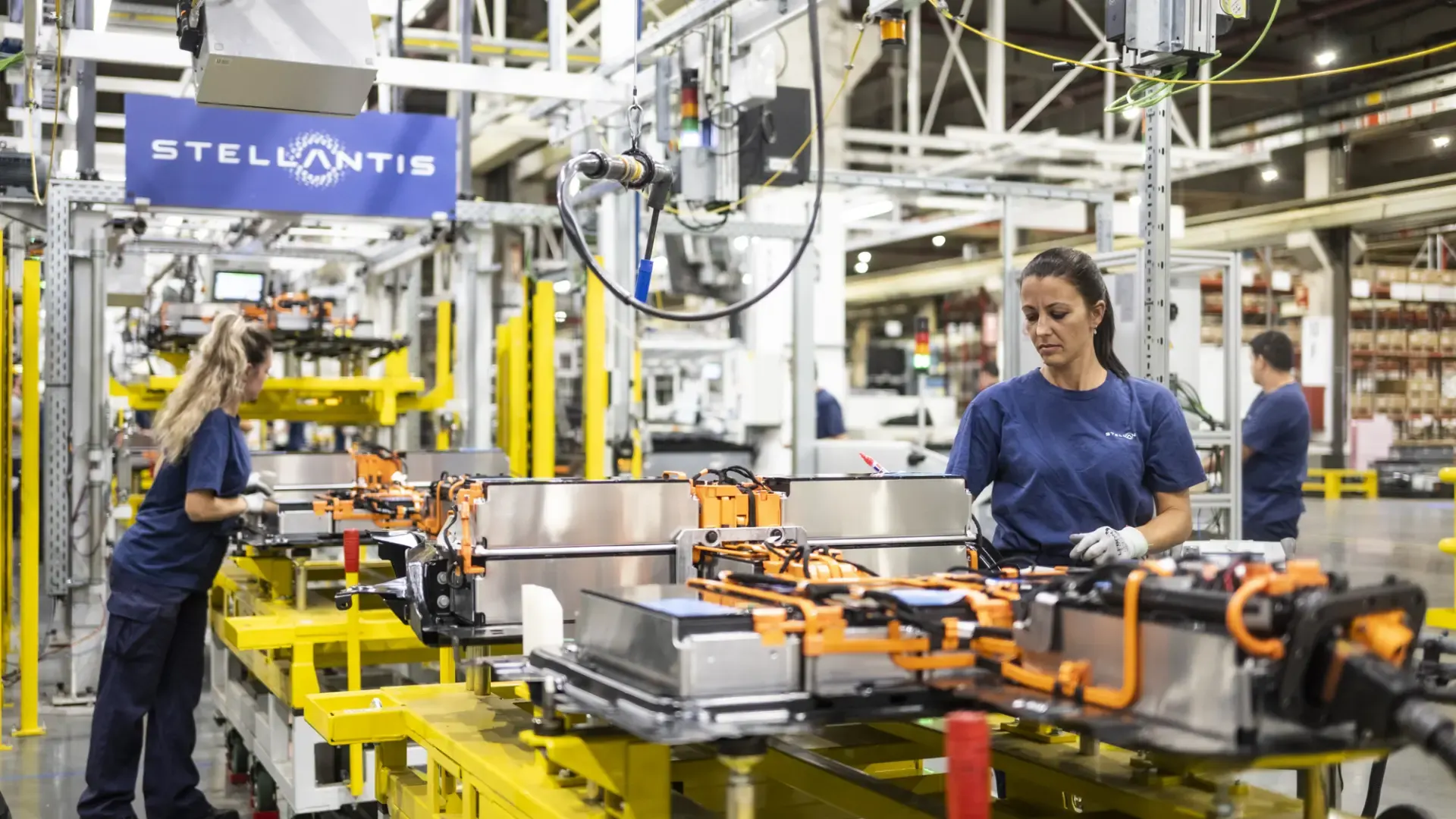
When European automakers promise affordable electric vehicles, they usually mean it. Right after sending their workforce halfway across the planet to learn how to actually build them. The initial wave of recruits for the upcoming Stellantis and CATL joint venture gigafactory in Figueruelas, near Zaragoza, Spain, have officially landed in Xiamen, China. Their mission? Embed themselves alongside CATL specialists on live production lines to master the dark arts of manufacturing Lithium Iron Phosphate (LFP) battery cells and modules.
The training scheme, announced on September 3 by Contemporary Star Energy, the joint entity established in July 2025, is essentially a high-stakes “train the trainer” program. Maintenance and production personnel are getting hands-on experience across the entire lifecycle, from electrode processing and assembly to the electro-chemical formation of LFP cells. Once these Spanish pioneers return home, they will act as mentors for the remaining workforce as hiring ramps up in lockstep with factory construction.
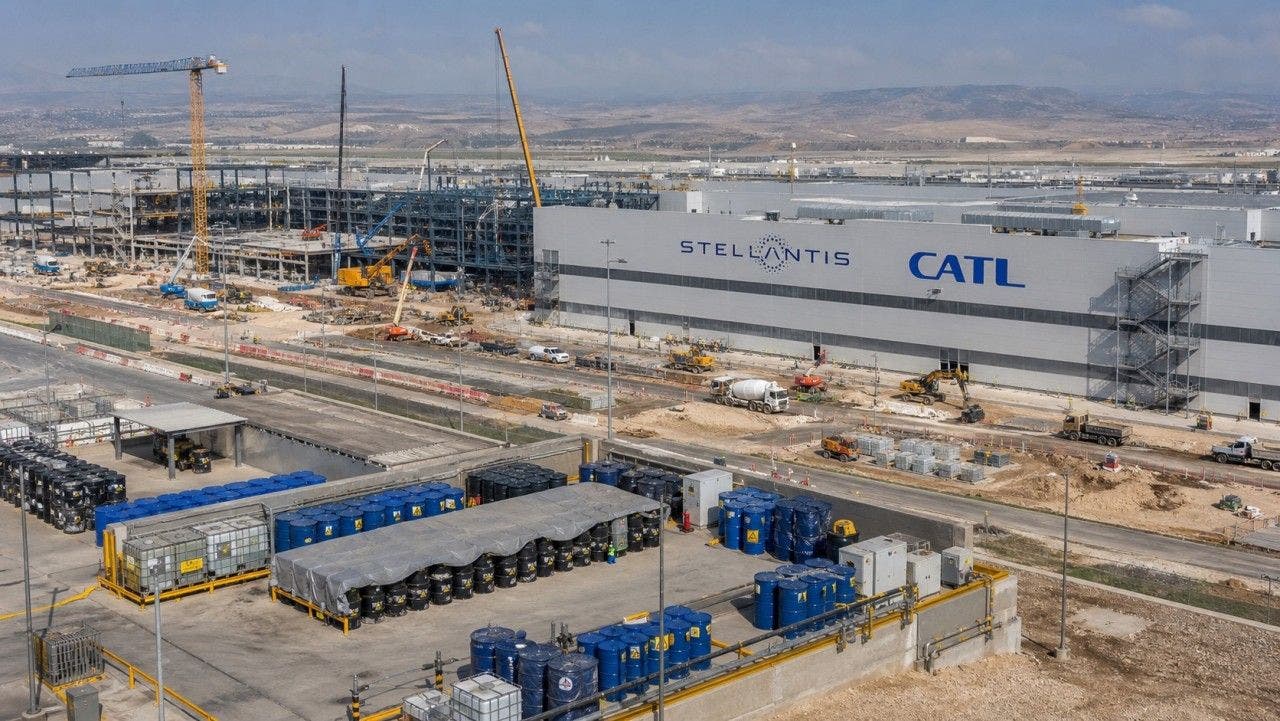
And that workforce will be massive. At full capacity, the Spanish facility expects to employ roughly 4,000 workers. To get the plant off the ground, CATL is also sending a army of Chinese technicians to Aragon to supervise equipment installation and commissioning. Local infrastructure is already bracing for impact, with temporary housing facilities under construction to accommodate 1,000 to 1,700 visiting experts.
Financially speaking, this is no modest garage project. The investment could top €4.1 billion, aiming for a potential annual capacity of 50 GWh. In layman’s terms, that is theoretically enough power to pack into one million 50 kWh battery packs each year, though actual output will obviously hinge on market demand and production rollouts.
These Spanish-built LFP batteries will feed directly into Stellantis’ European lineup, specifically targeting B- and C-segment vehicles, crossovers, and SUVs. By adopting budget-friendly LFP chemistry alongside its existing Nickel Manganese Cobalt (NMC) setups, Stellantis hopes to make EVs slightly less painful for the average buyer’s wallet.
With initial production slated for early 2027, the real question is whether a crash course in Xiamen will be enough to shake up the European EV market on schedule.