


Stellantis CEO Antonio Filosa took a surprisingly candid approach during an interview with Le Parisien. Filosa kicked off the sit-down by extending a public olive branch, or a full-blown plea for forgiveness, to disgruntled owners traumatized by the infamous 1.2-liter three-cylinder PureTech engine failures and the never-ending nightmare of Takata airbag recalls.
Recognizing that consumer trust in Stellantis brands has taken a beating, he promised that quality is now the central obsession of the automotive giant, backed by nearly 50 specialized task forces working overtime to fix legacy engineering blunders.
Under the ambitiously titled “FaSTLAne 2030” roadmap, the group aims to climb back into top-tier reliability rankings across all operating regions by 2028.

Beyond asking buyers to forgive past mechanical sins, Filosa tackled the elephant in the assembly plant: massive overcapacity. With European production lines operating at a lukewarm 60% capacity in 2025, Stellantis plans to boost utilization rates to 80% by 2030.
To achieve this without shutting down French factories, a promise clearly designed to keep local unions from burning tires in the streets, the company intends to share assembly lines with foreign partners, specifically Chinese EV players like Dongfeng and Leapmotor. Still, the math requires some acrobatics: Stellantis will slash overall capacity by 800,000 vehicles while retooling existing facilities.
This operational pivot comes at a critical time, as production halts at key French plants like Mulhouse, Rennes, and Sochaux highlight sluggish market demand and ongoing battery shortages for electric vehicles.
To sweeten the deal for skeptical buyers, Filosa dangled an enticing carrot: a ultra-affordable, entry-level Citroën electric car inspired by the legendary 2CV, targeted at an eye-watering price point around €15,000 (roughly $16,000).
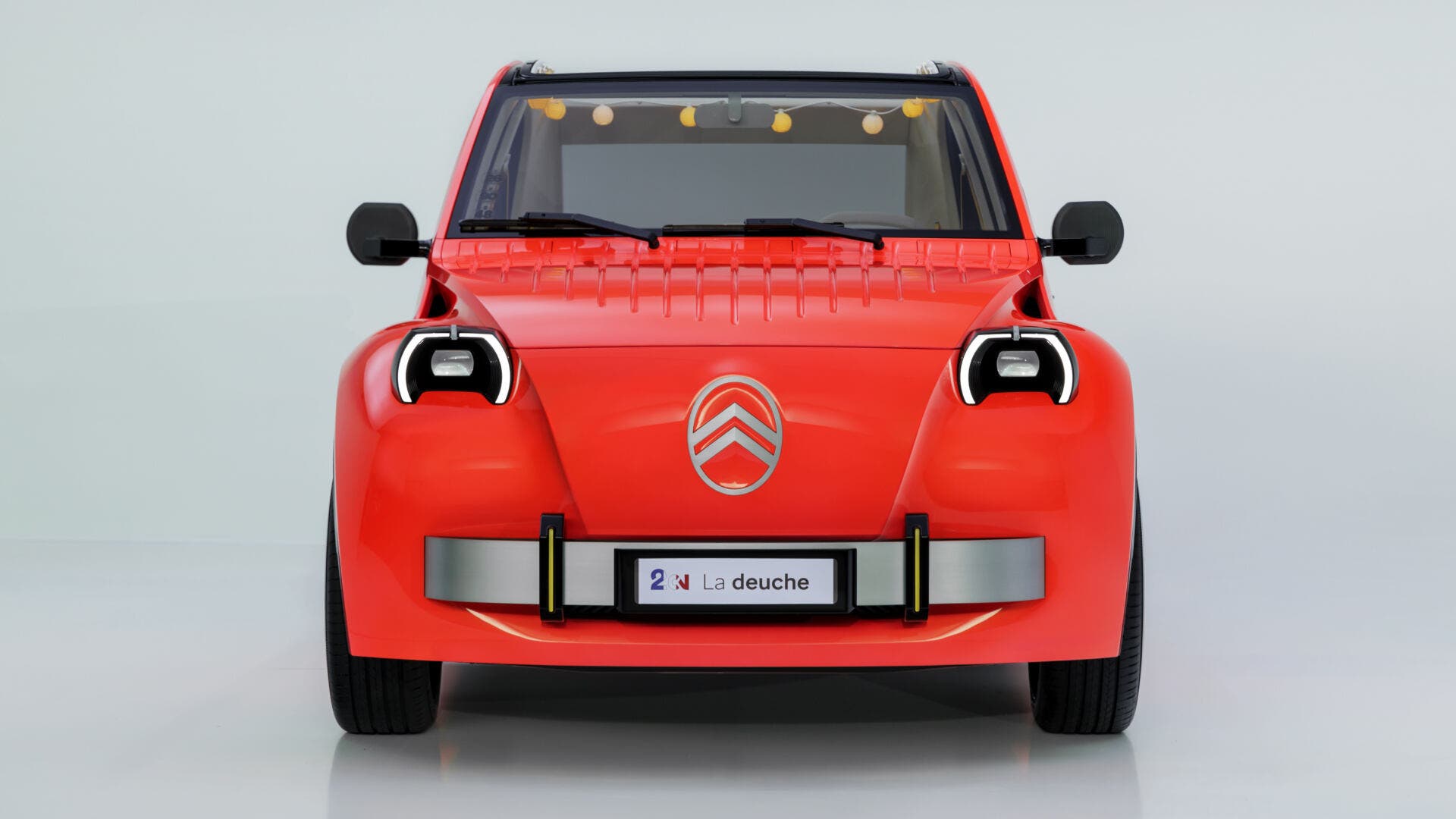
While that figure remains a floating benchmark rather than a contractually binding sticker price, it signals a desperate push toward accessible urban mobility. If Stellantis can actually manufacture a reliable $16,000 EV without the engine dissolving itself into the oil pan, drivers might just forgive them after all.