

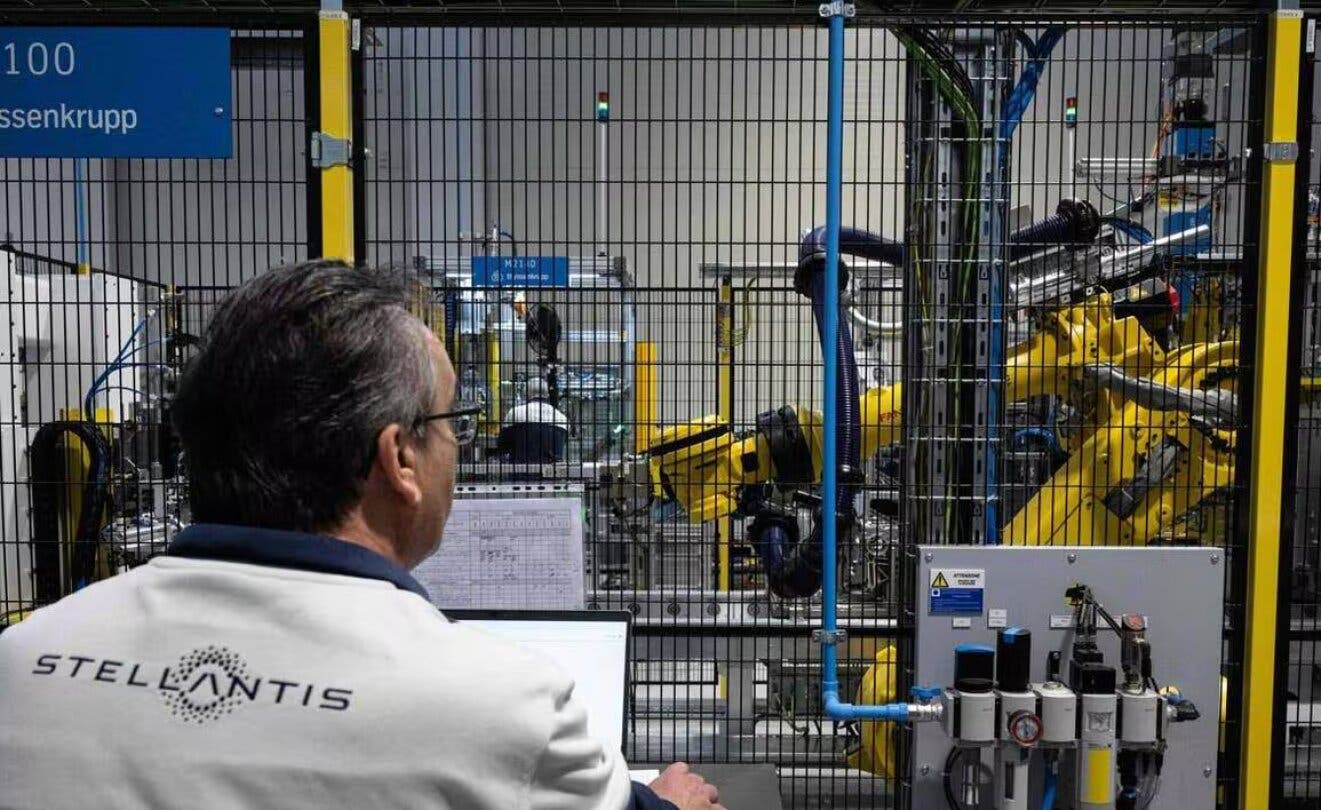
Labor negotiations in the Italian automotive sector are heating up very fast. Major Italian trade unions, including FIM, UILM, FISMIC, UGLM, and AQCFR, have officially unveiled their platform to renew the Specific Collective Labor Contract (CCSL), which governs operations for Stellantis, Ferrari, CNHI, and Iveco ahead of its December 31, 2026 expiration date.
While corporate boardroom execs are likely reaching for their antacids, the unions are pushing forward with a heavy-hitting wishlist aimed directly at boosting worker pay and padding annual bonuses.
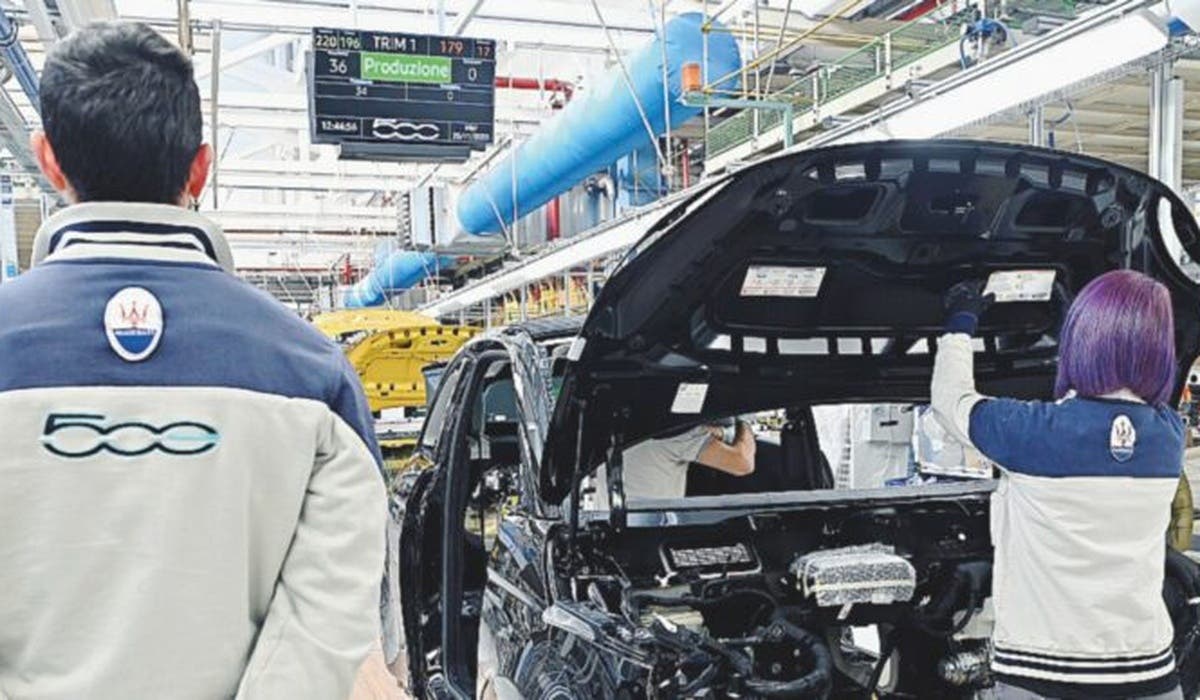
At the heart of the proposal is a hard demand for financial relief, specifically calling for a 3.3% base salary increase for both 2027 and 2028, applied right at the start of each year. Once fully implemented, this bump translates to an average monthly increase of roughly 150 euros, which would also ripple outward to boost executive function allowances and annual performance bonuses.
Speaking of bonuses, the unions want those performance payouts scaled up by the exact same percentage to sweeten the pot, alongside ironclad guarantees that benefit accrual won’t take a hit during periods when workers are forced onto state-backed social safety nets or layoffs.
The structural blueprint of the proposed four-year deal divides the timeline neatly: the regulatory framework would run from 2027 through 2030, while the economic stipulations would result locked in for a shorter two-year term. As for the financial terms governing 2029 and 2030, both sides agreed to reconvene for a separate bargaining session no later than October 2028.
Workers are calling for formal consultations regarding the creeping integration of artificial intelligence systems and their looming impact on job security, more frequent safety training slashed from every five years down to every three, and expanded leave options for child illness, professional training, and rough shift schedules. They are also demanding structured pathways toward permanent job stability for temporary and agency workers.
As corporate leadership braces for the incoming factory-floor votes, it’s clear that keeping the assembly lines humming is going to cost a little extra.