

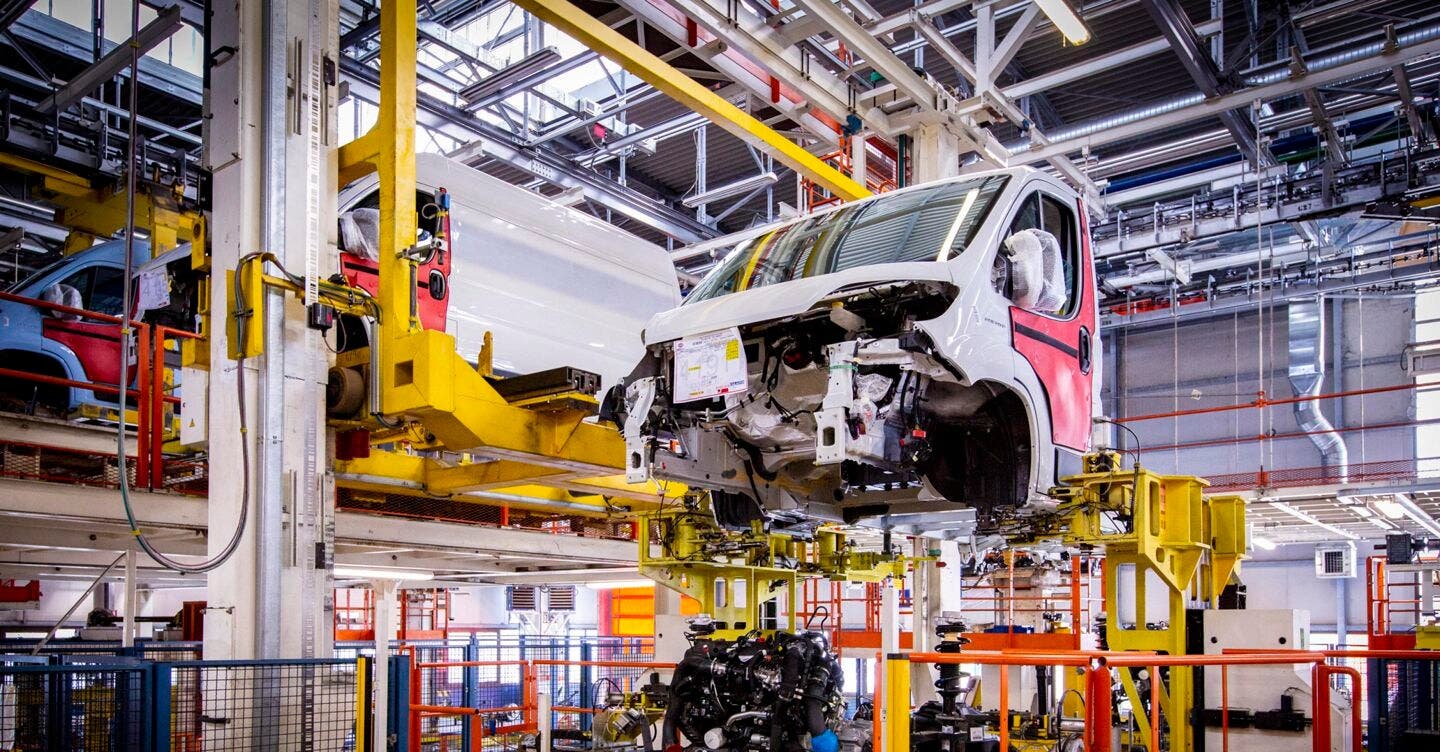
Just when regulators thought they had driven the final stake through the heart of heavy-oil burners, Stellantis is dusting off the pump handle with a unexpected plot twist: diesel-hybrid vans.
According to the Italian metalworkers’ union UILM, following a high-level meeting with the automaker, Stellantis is quietly testing a brand-new diesel-hybrid powertrain designed for its heavy-duty commercial fleet across Europe.
The heart of this franken-drivetrain is currently undergoing development at the Pratola Serra engine plant in Avellino, southern Italy. The end goal? Shipping these oil-guzzling, battery-assisted powertrains to the Atessa assembly plant, where workhorses like the Fiat Ducato, Peugeot Boxer, and Citroën Jumper roll off the line.
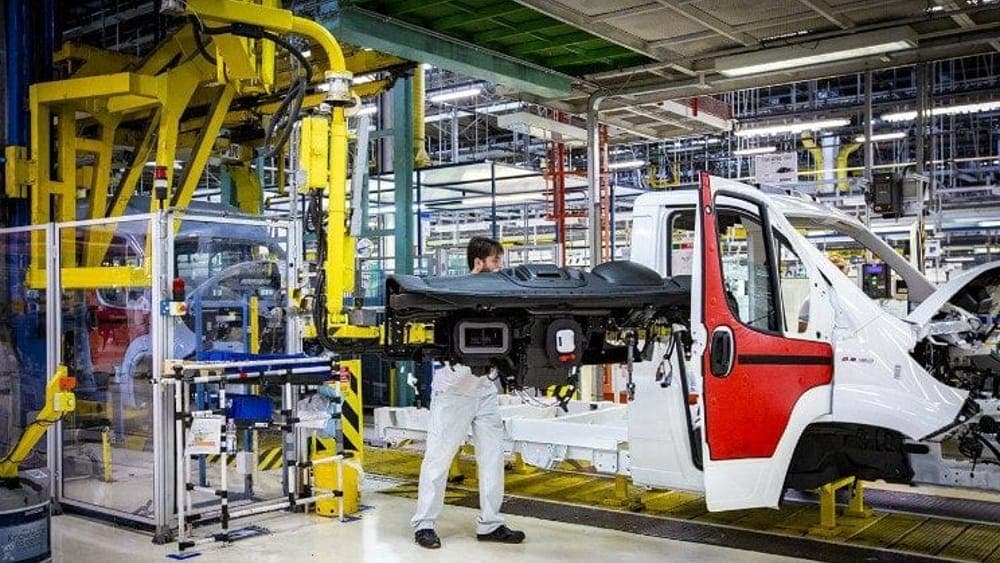
A Stellantis spokesperson officially confirmed that the technology remains firmly in the testing phase, meaning that we know zero technical specs, zero fuel efficiency figures, and zero official launch dates yet.
However, this “secret sauce” should power the next generation of large commercial vans coming out of Atessa, a facility already slotted for a cool €1 billion investment program. While the corporate suits haven’t specified exactly how many euros from that billion-euro pot are earmarked for this specific diesel-electric concoction, the industrial connection between Pratola Serra and Atessa establishes a clear supply link between the two southern Italian hubs.
Pairing a high-torque diesel engine with an electric motor might sound like wearing belt and suspenders to a green mobility party, but for haulers hauling heavy cargo across European highways, it might just represent the pragmatic middle ground nobody wants to admit they still need.
Adding a silver lining to the industrial narrative, UILM reported that the use of state-funded temporary layoff schemes across Stellantis’s Italian operations could drop by 30% in 2026 compared to 2025.
While national data doesn’t seem broken down by individual plants, the workforce reduction in safety-net reliance suggests a steadier pulse for Italian production as Stellantis navigates its complex powertrain transition.