

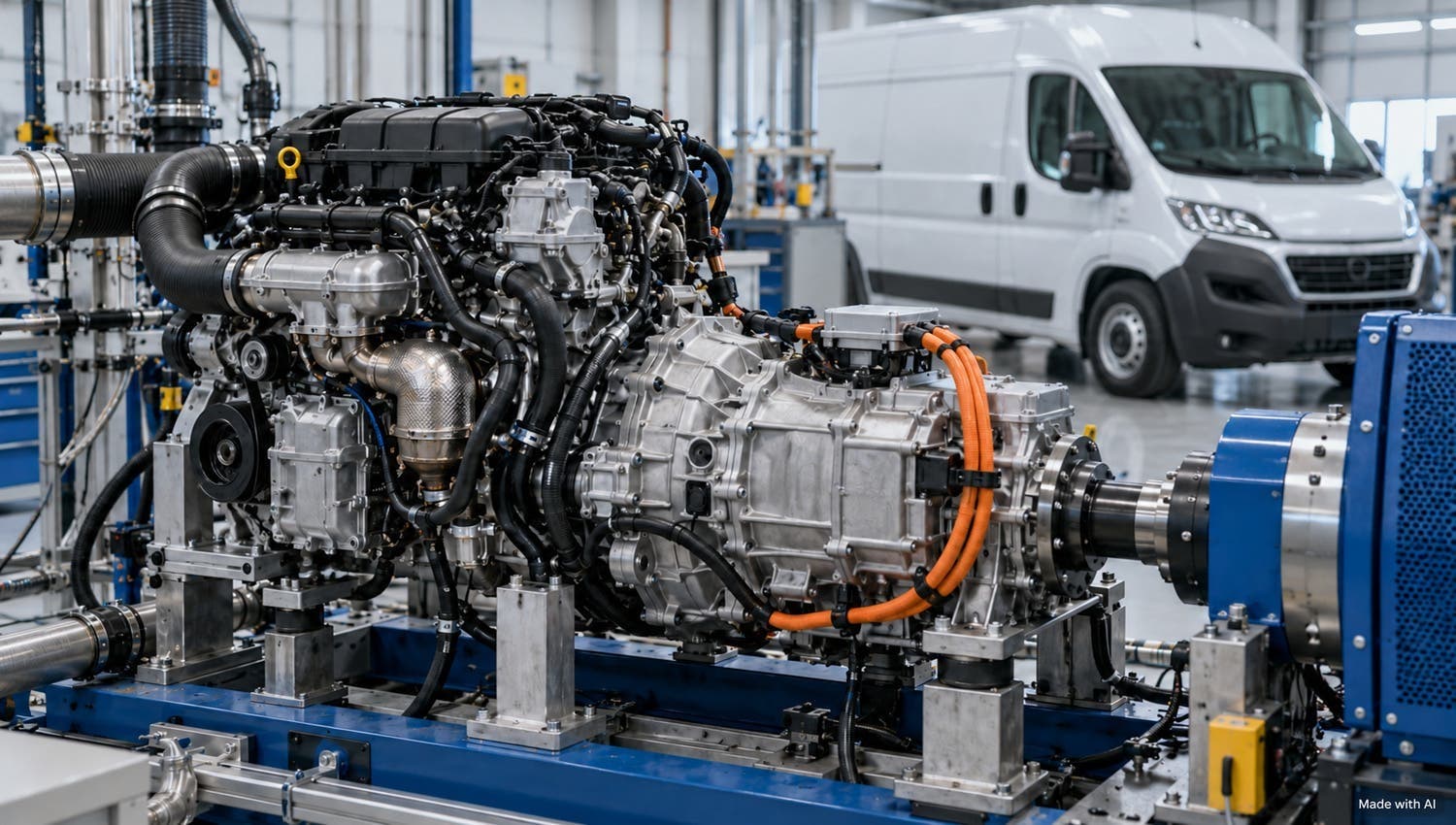
Stellantis is testing a diesel hybrid system for large commercial vehicles in Europe, with a possible application in the next generation built at the Atessa plant. The UILM union reported the project to Reuters after a meeting with the company, while a Stellantis spokesperson confirmed the tests and said the market launch date has yet to be decided.
Stellantis develops diesel hybrid system for next-generation Pro One vans
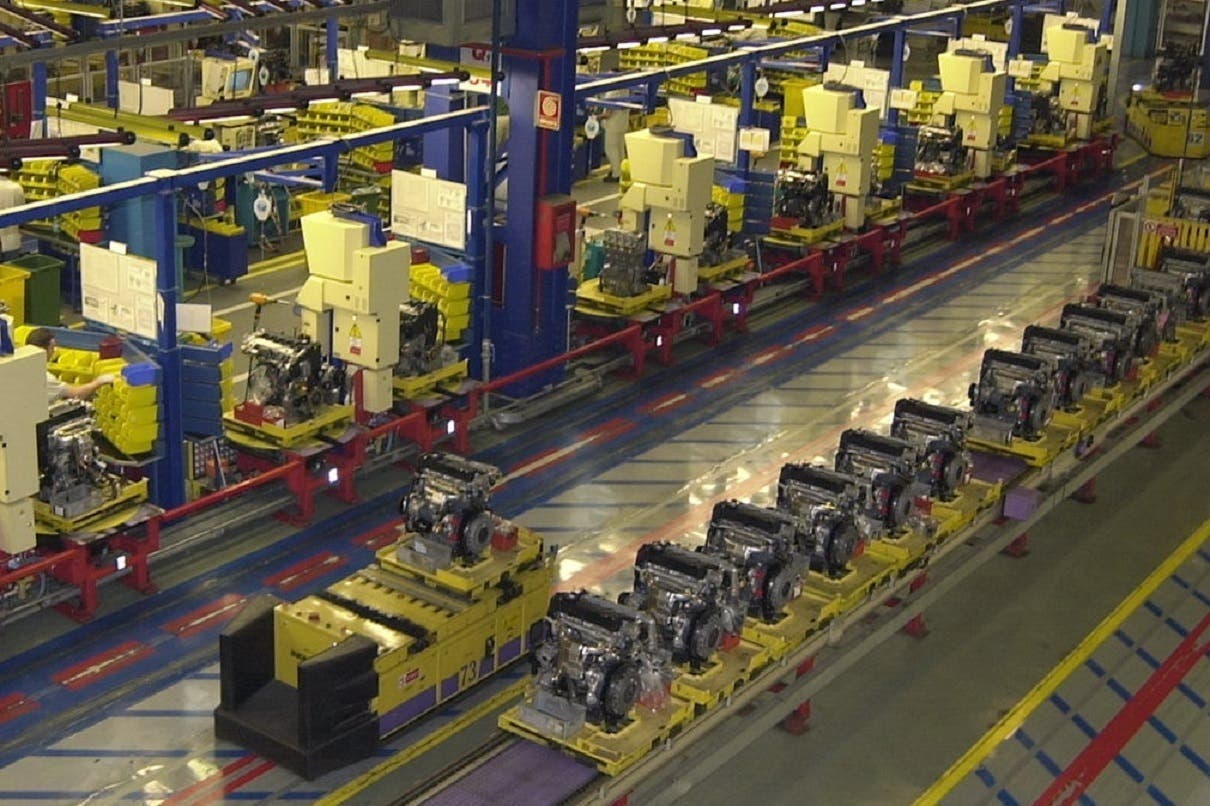
Development involves the Italian Pratola Serra plant, which already supplies engines to Atessa. According to the union, Stellantis will develop the new powertrain at the Campania facility, strengthening the industrial link between the two factories. The group has already announced €1 billion in investment at Atessa for the next generation of large vans.
The system could serve a family of commercial vehicles sold under several brands, including the Fiat Ducato, Citroën Jumper, Peugeot Boxer and Opel Movano. The spokesperson referred to future Pro One vehicles without confirming whether the technology will reach the current lineup. The existing van architecture dates back to 2006 and received major updates in 2014 and 2023.
Stellantis is studying the combination of diesel and electric power to reduce CO2 emissions while retaining a diesel engine. The approach reflects the difficulties surrounding fleet renewal in the professional market, where many operators still prefer to keep their current vehicles rather than move to fully electric vans.
Emanuele Cappellano, Stellantis’ head of Europe and the Pro One division, explained that several customers still see the transition as risky for the way they organize their businesses. Delaying purchases therefore keeps older vehicles on the road for longer, even as manufacturers face increasing pressure to reduce the average emissions of new commercial vehicles.
Cappellano has also criticized European CO2 targets for the sector, arguing that penalties could threaten the sustainability of manufacturing plants. An electrified diesel solution could therefore give customers another option when replacing a vehicle while keeping an internal-combustion engine, creating an alternative to both conventional diesel and battery-electric vans.
The tests will help Stellantis define the system’s final characteristics. The company has not yet disclosed output, the contribution of the electric component or expected fuel-consumption figures. Whether the vehicle will support zero-emission driving will also depend on the chosen architecture, which Stellantis has yet to detail.
The confirmed testing program and its connection with future production at Atessa therefore point to a project still under development, with timing and final applications yet to be announced.