


A modified lifter could help reduce valvetrain failures on some 5.7 and 6.4-liter HEMI V8 engines. Dave Miller of Hemi Garage Hacks developed the component after linking roller and camshaft wear to a difference in oil circulation that he noticed while comparing pre-2009 engines with later versions.
HEMI V8 ticking problem may have a new fix under development
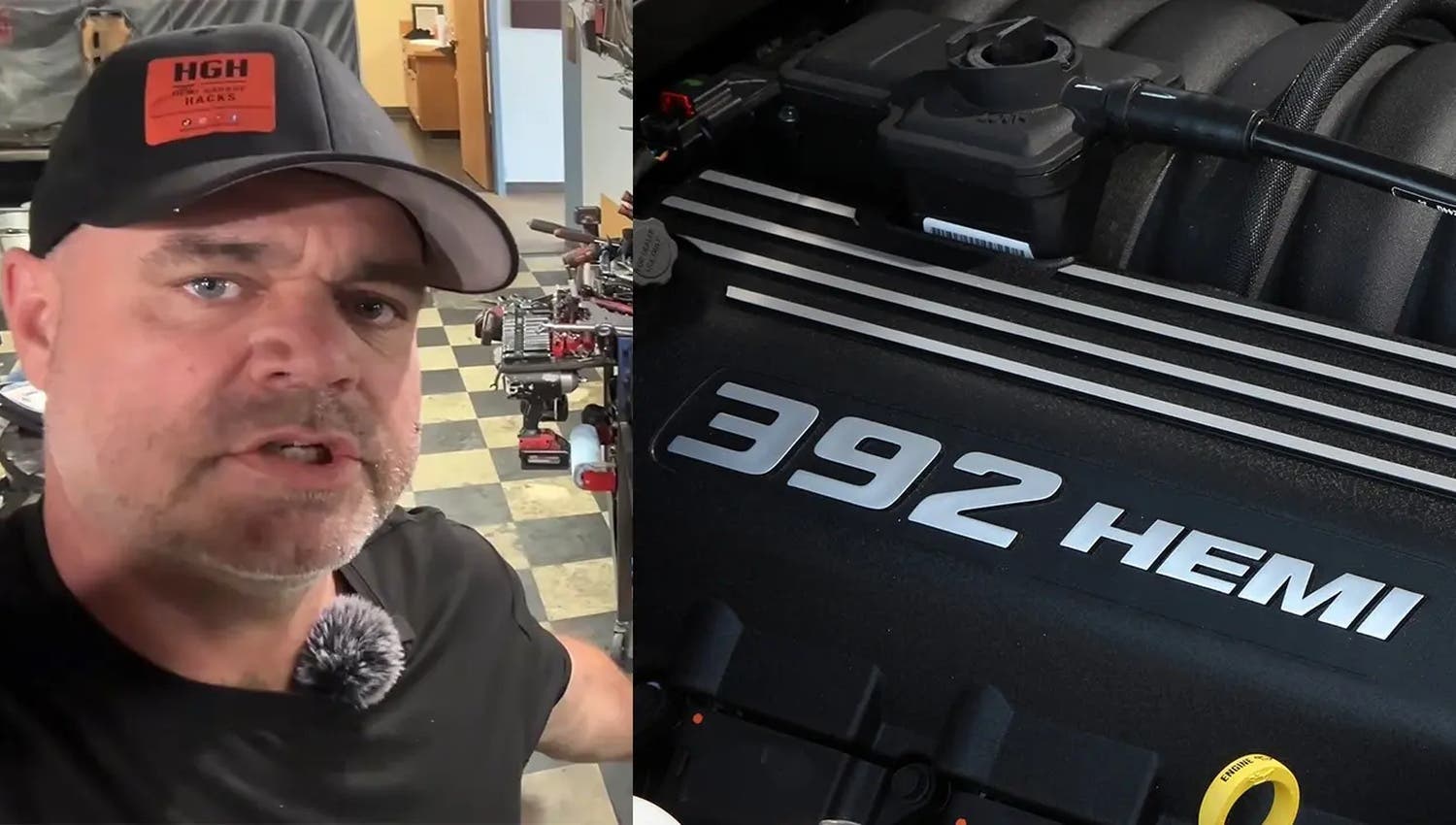
His explanation starts with the changes introduced to accommodate variable valve timing. Miller argues that the longer front section of the camshaft and changes to the engine block altered the path oil takes toward the lifters, while the basic camshaft support layout remained largely unchanged.
Using a borescope, the mechanic shows the inside of an oil passage on two generations of the engine. In the older version, he identifies a gap that allows lubricant to reach the lifter area during operation. On the post-2009 engine, viewed from a similar position, that passage appears closed.
According to Miller, reduced oil flow could accelerate failure of the small needle bearings inside the rollers. When a roller stops rotating properly, its contact with the cam lobe can gradually wear away the surface, producing the ticking noise associated with this type of failure. The damage can also cause misfires and eventually require extensive engine repairs.
The video also shows a camshaft with a heavily worn lobe, making the severity of the damage easy to see. Miller’s explanation therefore focuses on a specific valvetrain problem found in engines used by Ram, Jeep, Dodge and Chrysler, which he is trying to address by modifying the lifter itself.
To illustrate how much difference even a very small opening can make, Miller uses a test bench and slightly loosens a screw, producing a significant flow of oil. The demonstration supports his work on the modified lifter and his attempt to improve lubrication around the roller.
Miller says he has rebuilt more than 2,000 HEMI engines over 17 years and has launched a fundraiser with a $5,000 target to finance the project. The solution remains under development, and further testing beyond the bench stage will need to determine its effectiveness and long-term durability.