

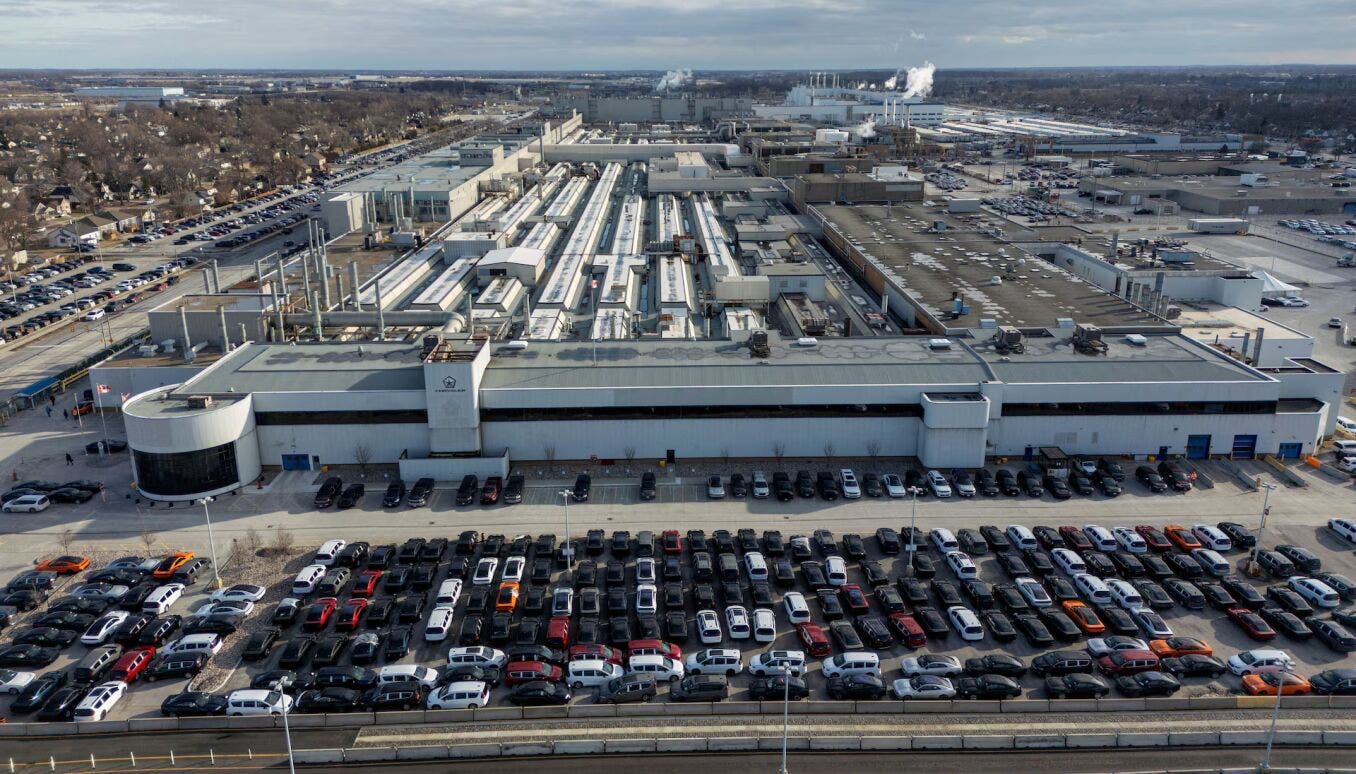
Stellantis has just hit the red button on yet another week of vehicle production at its crucial Windsor Assembly Plant in Ontario. According to a fresh notice posted by plant management, the entire week of November 9, 2026, results officially scrapped. That marks four straight weeks of zero vehicles rolling off the line, extending a ghost-town streak that previously shut down assembly during the weeks of October 19, October 26, and November 2.
For standard production line workers, the directive was blissfully simple yet deeply unsettling: stay home unless your supervisor explicitly calls you in. Skilled trades personnel, meanwhile, seem still required to report for their shifts, presumably to dust off the motionless machinery and make sure the cobwebs don’t take over.
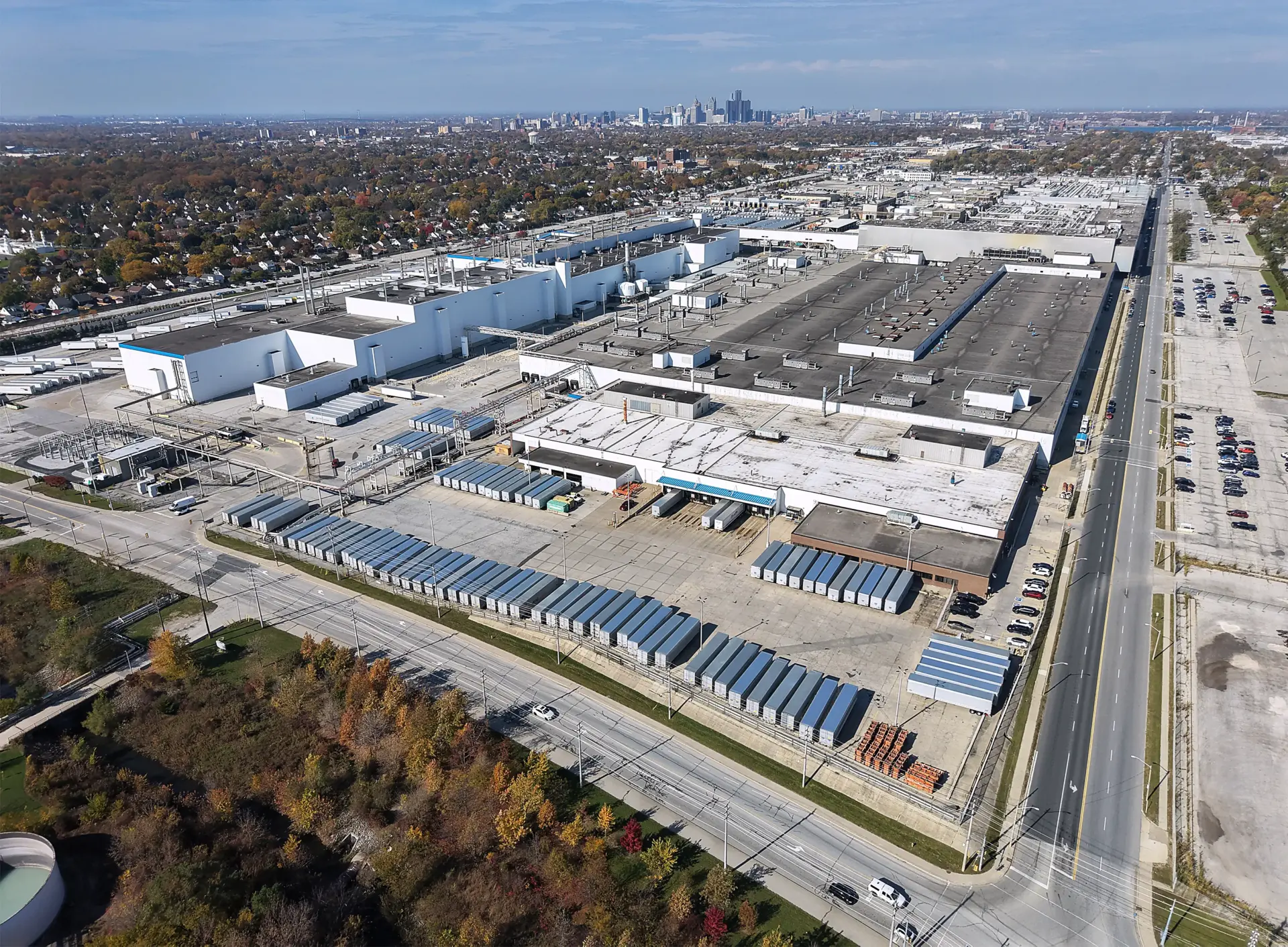
This month-long paralysis comes at an extraordinarily awkward moment for the automaker. Windsor is a massive pillar of Stellantis’ North American manufacturing footprint, tasked with building heavy-hitters like the Chrysler Pacifica, the Canadian-market Chrysler Grand Caravan, and the highly anticipated, gas-powered Dodge Charger SIXPACK.
With the new Charger lineup supposed to reignite muscle car enthusiasm, having its birthplace frozen in time raises glaring questions about how management intends to balance showroom supply with shaky consumer demand.
The silence on the factory floor stems from a cocktail of modern automotive headaches. Stellantis has been wrestling with shifting buyer appetites and volatile cross-border U.S.-Canada tariff tensions, making production planning feel more like a game of high-stakes darts.
Adding fuel to the fire, the ongoing uncertainty surrounding the nearby Brampton Assembly layout has already put Unifor union reps and Canadian government officials on edge. While the notice fails to cite a specific reason for the November 9 shutdown, and offers zero guarantees that assembly lines will actually restart on November 16, thousands of workers stay left watching the clock.
Reorganizing inventory and managing supply bottlenecks are routine in this business, but when a plant goes cold for nearly a month, “routine adjustment” starts sounding like a very polite euphemism for trouble.