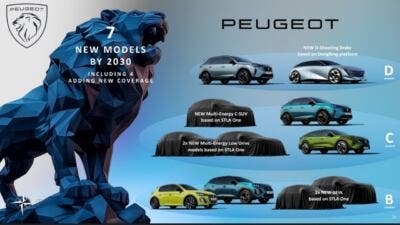
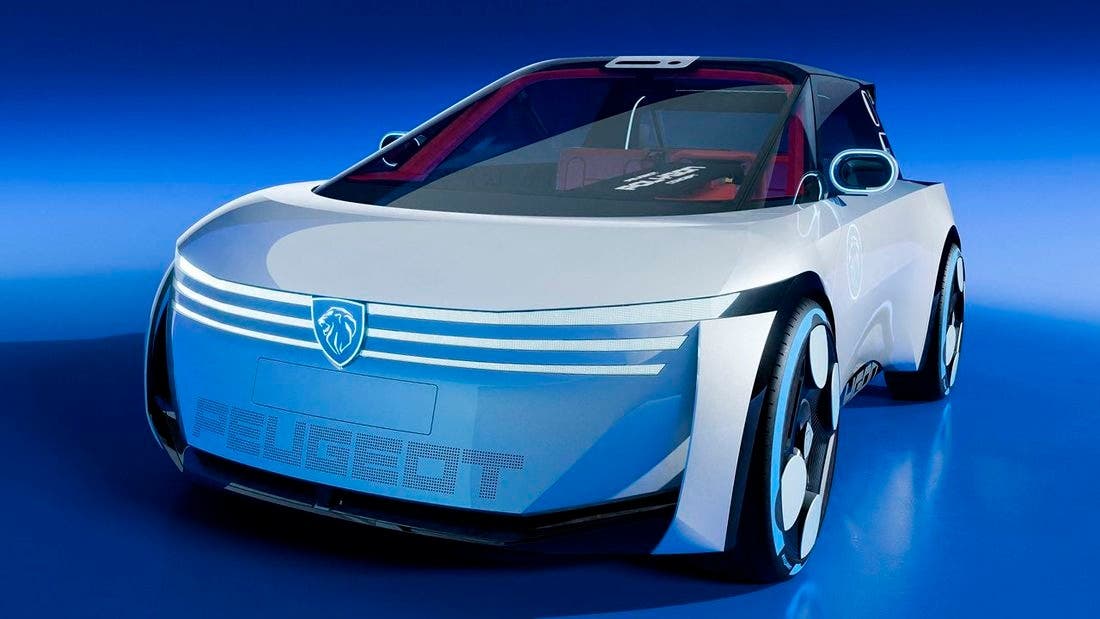
Peugeot plans to introduce seven new models in Europe by 2030 as Stellantis strengthens the French automaker’s position as one of its main global brands. The product offensive will begin with the third-generation Peugeot 208, expected to arrive in 2027. The new E-208 will use the STLA One platform and will reportedly launch exclusively with an electric powertrain.
Peugeot will not immediately abandon customers interested in traditional engines, however. The current 208 is expected to receive a major update and remain on sale temporarily with gas and hybrid options. Production of the electric model should take place at Stellantis’ Figueruelas plant in Spain, alongside the next-generation Opel Corsa.
Peugeot plans seven new European models by 2030
Peugeot will apply the same strategy to the 2008 approximately one year later. A new electric E-2008 will join an updated version of the existing crossover, which will continue offering combustion and hybrid powertrains. Production is expected to remain at the Vigo factory in Spain.
Together, the new electric 208 and 2008 and the updated versions of the current models account for four of the seven planned launches. This approach will allow Peugeot to sell two generations of its subcompact vehicles at the same time, maintaining more affordable traditional options while expanding its EV lineup.
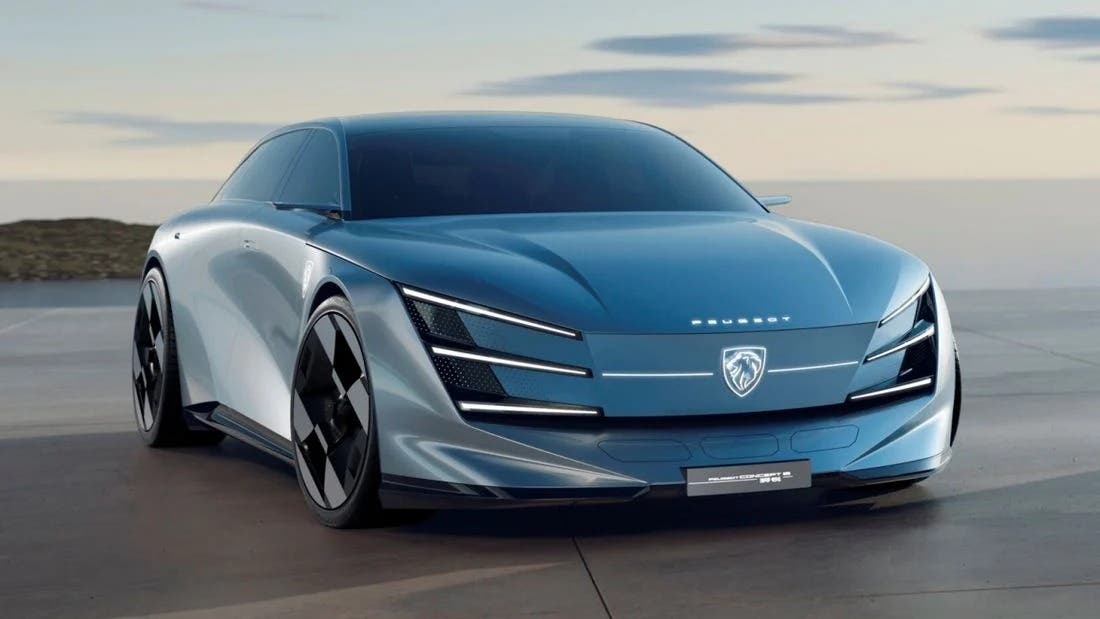
Peugeot CEO Alain Favey has also confirmed three future models for Europe’s compact segment. The company will replace the 308 hatchback, 308 SW wagon and 408 before the end of the decade. These vehicles will also use the STLA One architecture, but unlike the new E-208, they will support multiple types of powertrains.
Peugeot therefore expects to offer electric, hybrid and combustion-powered versions depending on customer demand and individual market conditions.
The expansion supports an ambitious sales target. Peugeot wants to increase its annual global volume from approximately 1.1 million vehicles today to 1.5 million by 2030. The brand believes its larger production scale will help reduce development costs and provide earlier access to new Stellantis technologies.
Stellantis now places Peugeot alongside Fiat, Jeep and Ram as its four global brands. Alfa Romeo, Chrysler, Citroën, Dodge and Opel will focus more heavily on specific regions.
Peugeot is also developing larger vehicles in China with Dongfeng, but it does not plan to sell them in Europe. Its European growth strategy will instead depend on the seven models already outlined, combining new EVs with updated hybrid and gas-powered vehicles.