

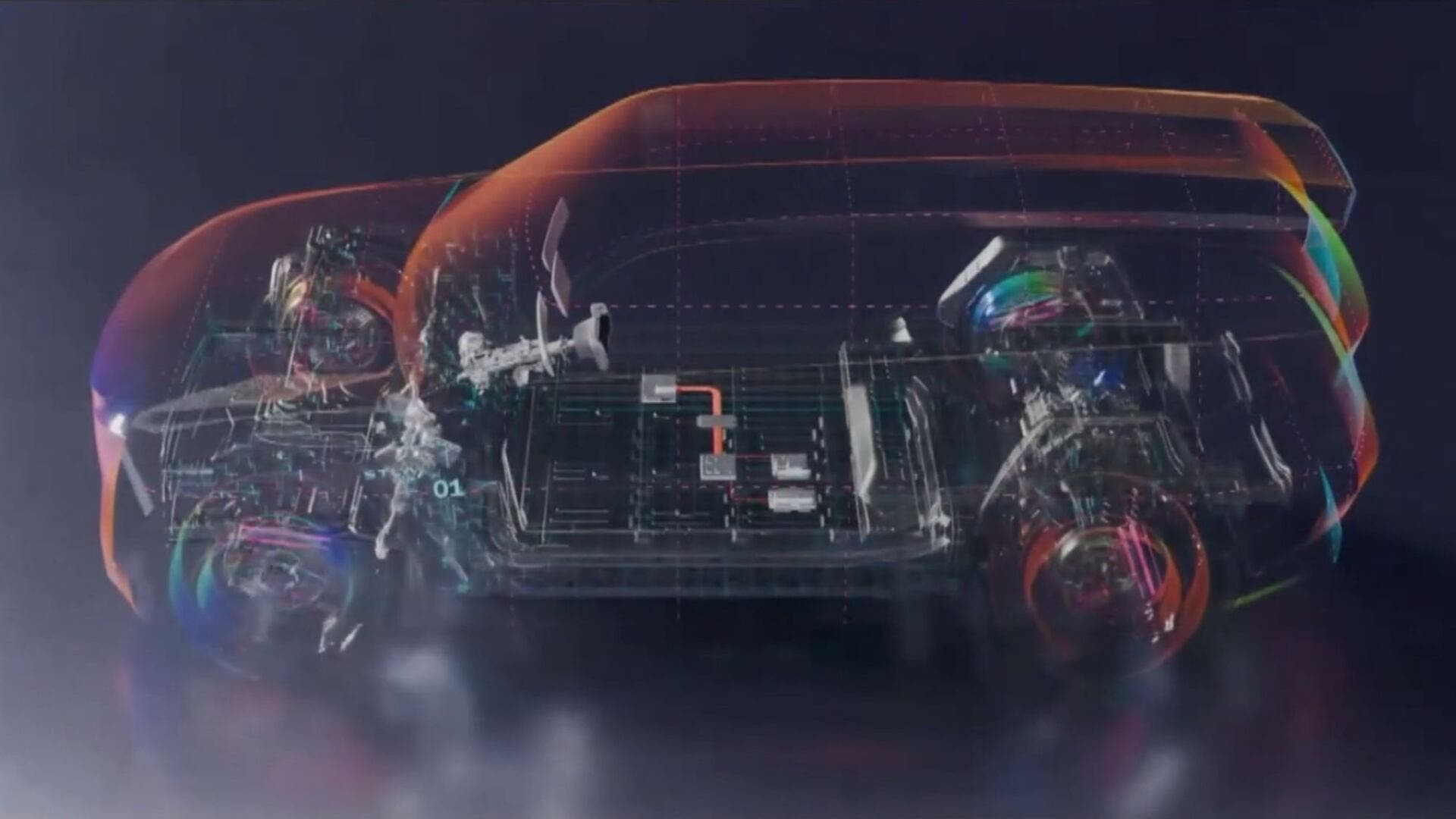
Stellantis plans to concentrate half of its global production on just three architectures by 2030, relying on a growing number of shared components across different brands and vehicle segments. The group expects to introduce STLA One in 2027 as a modular platform capable of supporting combustion engines, hybrid systems, and fully electric powertrains within the same manufacturing facilities.
Stellantis prepares STLA One for combustion, hybrid, and electric models
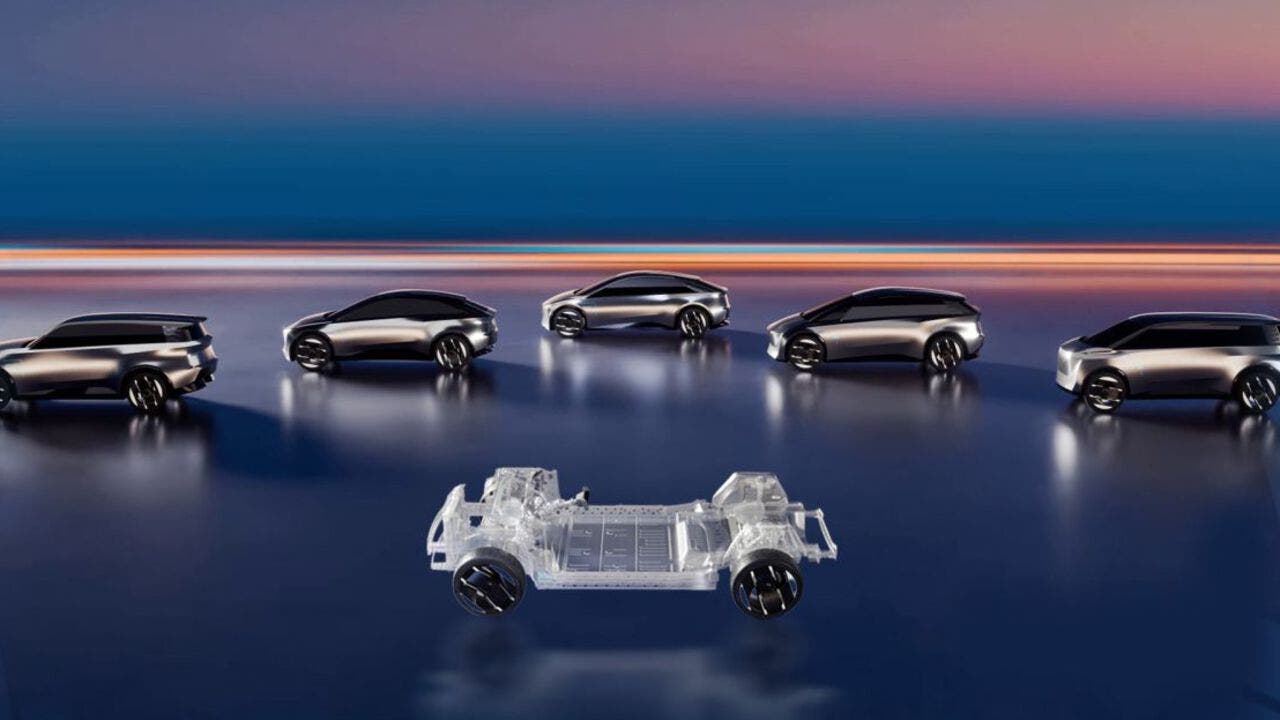
The architecture will initially serve European models before expanding to Latin America and other regions. Its flexibility will allow Stellantis to develop compact cars, sedans, crossovers, and SUVs from the same foundation, adjusting powertrains, dimensions, and specifications to suit local demand.
This approach reflects the major differences that still exist between markets during the energy transition. Electric vehicle adoption has not grown as quickly as expected in Europe, while combustion engines and hybrid systems continue to play an important role in Brazil and several other regions.
STLA One will support conventional engines, mild-hybrid and full-hybrid systems, plug-in hybrids, and battery-electric versions. The electric variants could use LFP cells integrated into the vehicle structure and electrical systems operating at up to 800 volts.
The platform will also support steer-by-wire technology, removing the direct mechanical connection between the steering wheel and the front wheels, along with a shared electronic architecture for multiple models.
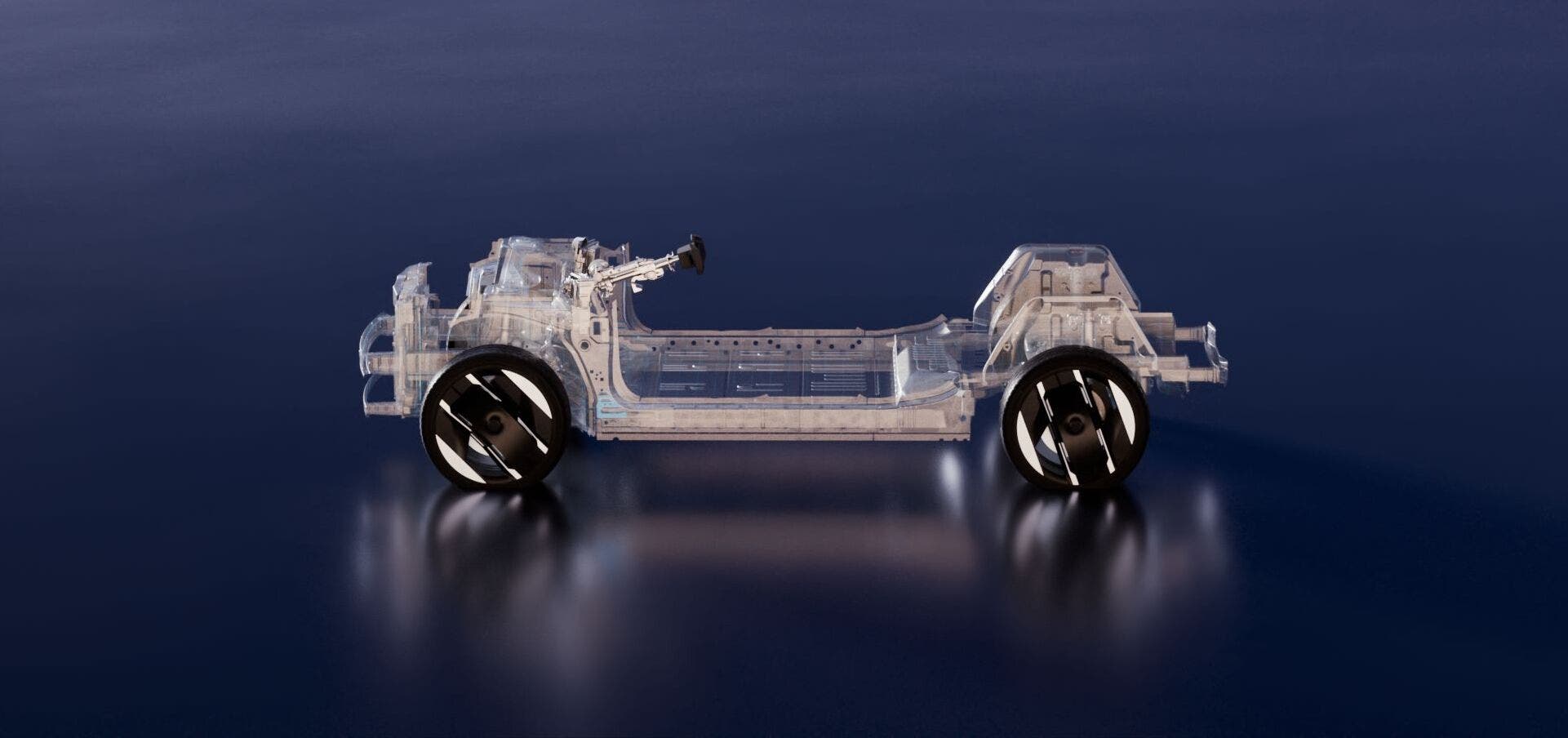
Stellantis could standardize as much as 70 percent of the components used across vehicles based on STLA One. This strategy should simplify sourcing, shorten development times, and potentially reduce costs by up to 20 percent, although the final savings will depend on production volumes.
Fiat, Jeep, Peugeot, Citroën, and the group’s other brands will start from the same technical structure while retaining differences in exterior design, interiors, steering response, and suspension tuning.
Antonio Filosa presented the project during celebrations marking Fiat’s 50th anniversary in Brazil. He also referred to the development of the Chinese automotive industry, highlighting the two decades of incentives and investment that, in his view, helped create its current competitive advantage.
The first European models based on STLA One should arrive in 2027, although Stellantis has not yet revealed which vehicles will introduce the new platform.