

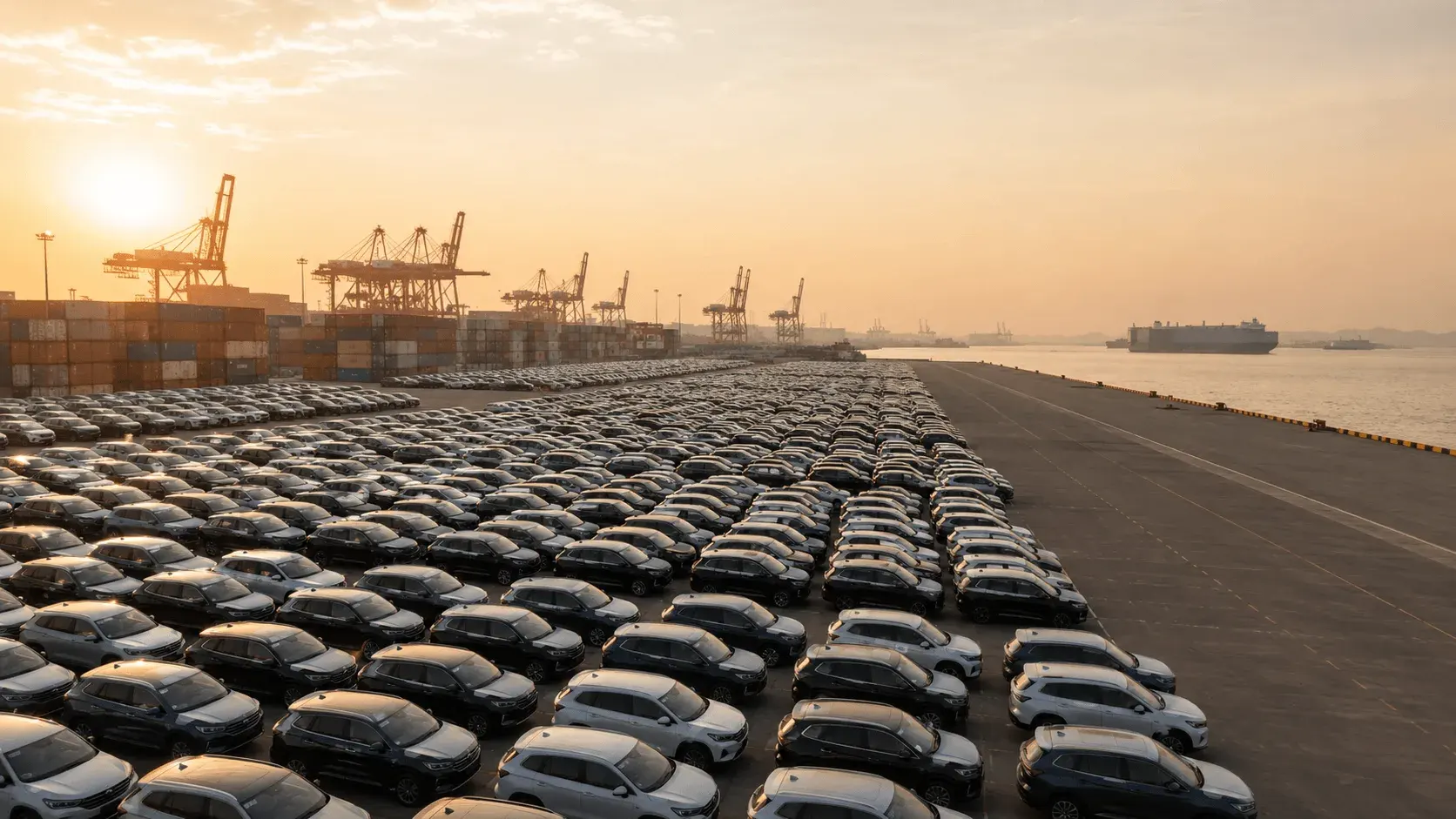
American roads might still be remarkably free of Chinese electric vehicles, but Detroit’s C-suite executives are already sweating through their tailored suits. Fearing a repeat of the European market shift, where brands like BYD transformed overnight from obscure novelties into serious competitors, legacy automakers are launching a preemptive legislative strike.
Acting through the Alliance for Automotive Innovation, a heavyweight lobbying coalition featuring General Motors, Ford, Toyota, Volkswagen, Hyundai, Honda, and Stellantis, the group is aggressively urging Congress to pass a law banning Chinese vehicles from the US market by the end of the year.
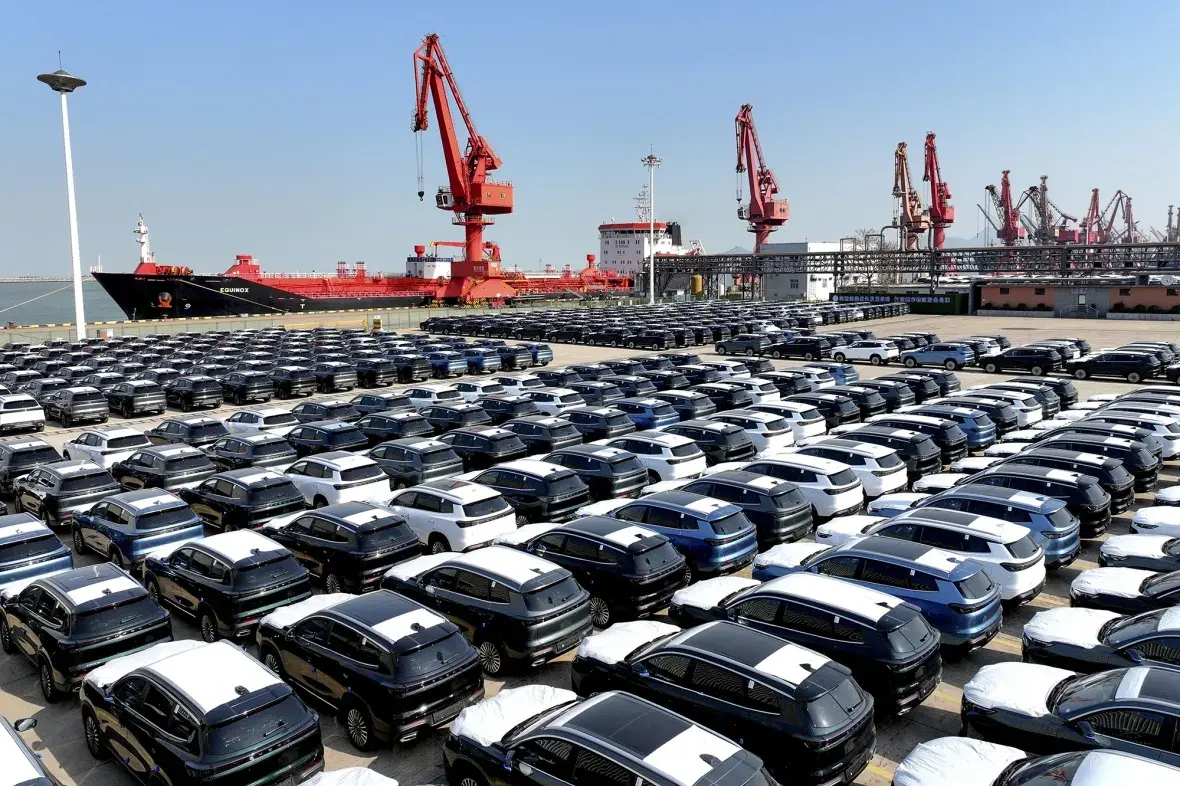
The urgency stems from watching Europe get caught entirely flat-footed. Just a few short years ago, Western auto executives treated Chinese cars like quirky trade-show curiosities. Fast forward to today, and those same executives are watching BYD and rival brands gobble up European market share with sleek designs, competitive pricing, and rapidly expanding dealership networks. While Washington’s current tariffs have functioned as a temporary firewall for North America, automakers know firewalls eventually crumble.
The proposed restrictions go far beyond fully assembled vehicles shipped straight from Shanghai. Automakers are deeply paranoid about structural backdoors, specifically software, connected electronic components, and workaround supply chains where Chinese manufacturers build vehicles in third-party countries to evade import duties.
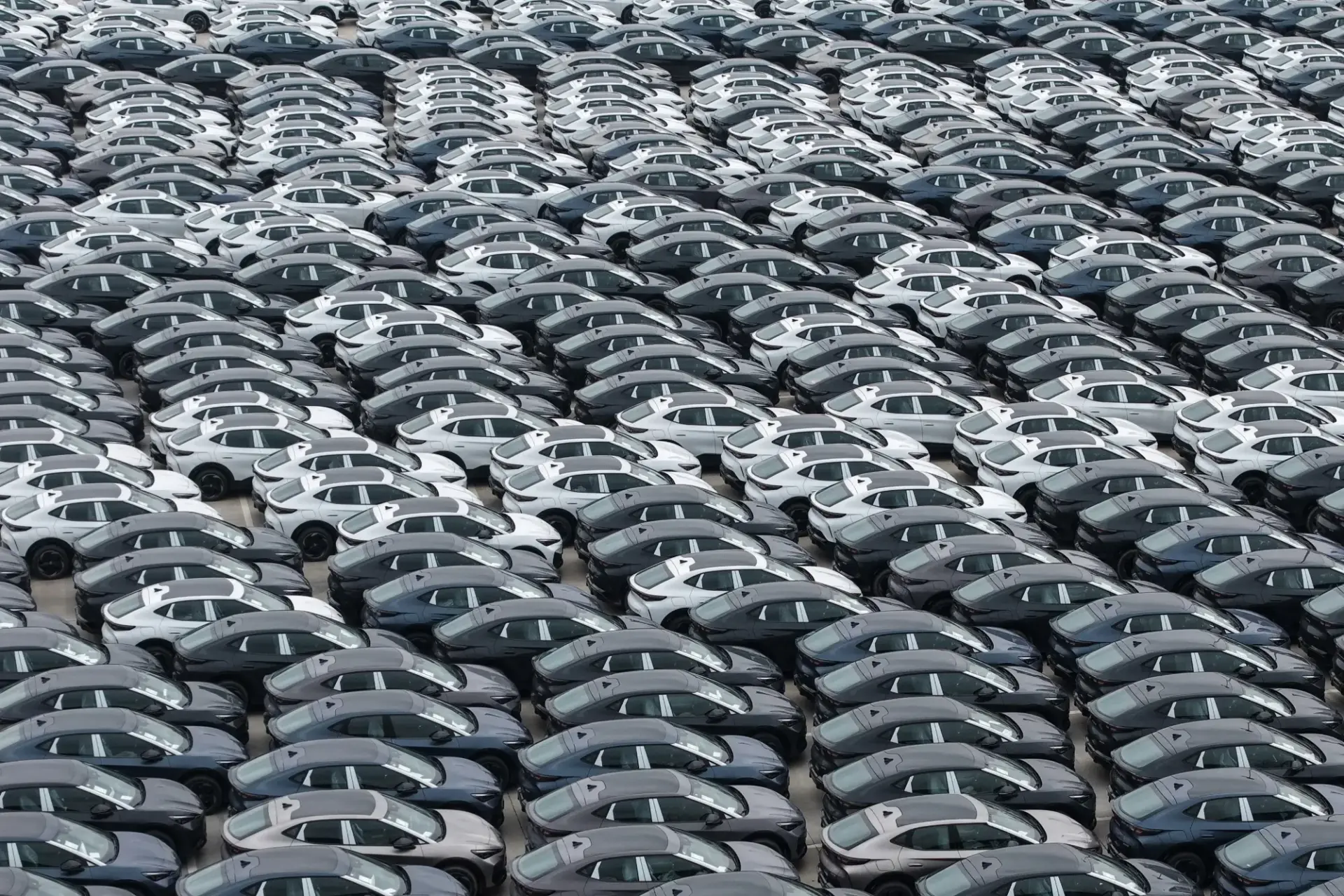
The true masterclass in corporate hypocrisy, however, belongs to Stellantis. While actively backing the lobby to ban Chinese cars on American soil, Stellantis conveniently owns a twenty percent stake in Chinese EV startup Leapmotor.
Through its joint venture, Leapmotor International, Stellantis is happily helping export those exact Chinese electric vehicles across European and global markets. In Europe, Stellantis treats Chinese EV tech as a lucrative revenue stream; in the United States, it begs Congress to build a metaphorical wall around the dealership lot.
For Stellantis and its fellow legacy automakers, the playbook is obvious: destroy the competition while its US footprint remains virtually invisible. After all, asking Washington for a total market embargo is far easier than manufacturing an affordable American electric car that can actually compete on its own merits.